My Account

Author: Simon Bailey

  • Fashion and Responsibility: Boycotting Israel’s Genocide Through Conscious Choices

    Fashion and Responsibility: Boycotting Israel’s Genocide Through Conscious Choices

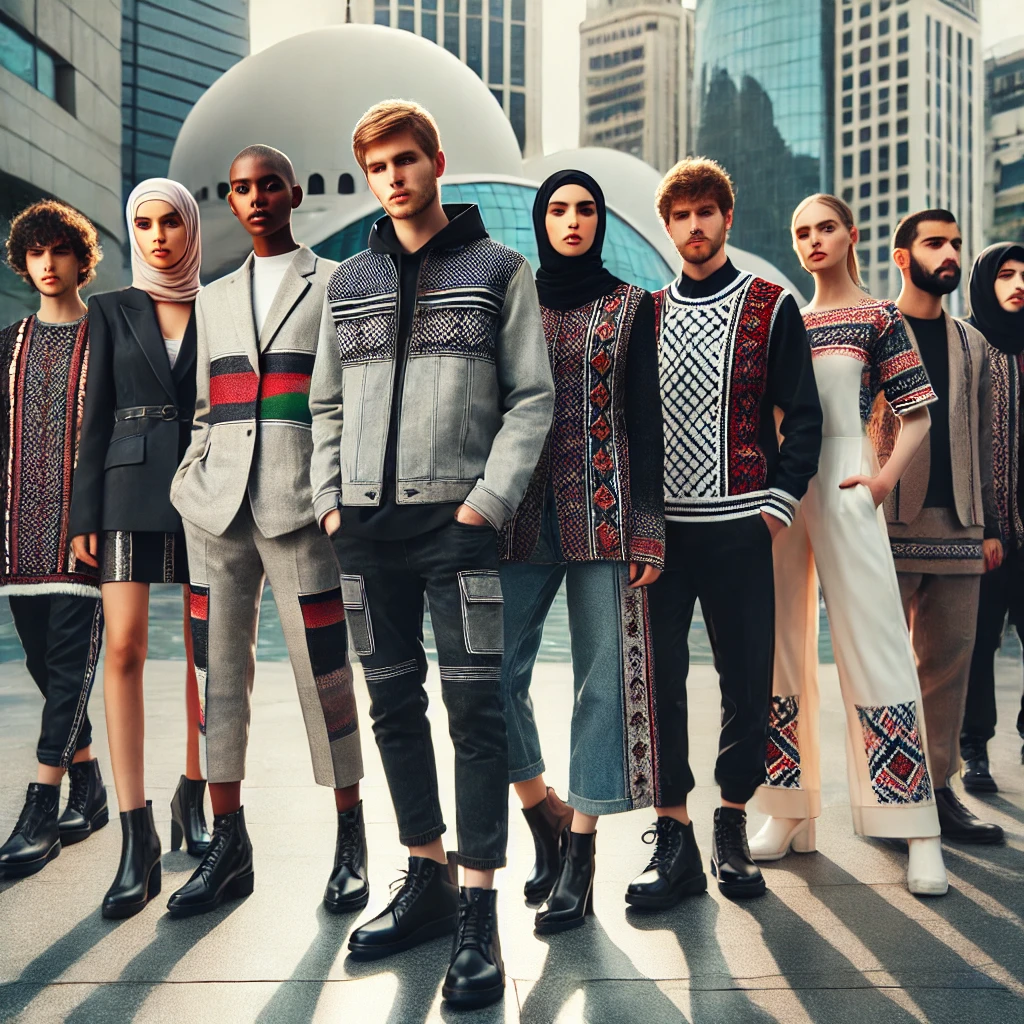
    A powerful and thought-provoking visual representing global activism through fashion.<br>The image serves as a powerful reminder of the pivotal role that fashion plays in cultural expression, particularly in contexts of struggle and resistance.<br>The image features a stylish mannequin dressed in modern Palesti

    Fashion has long been more than just clothing; it’s a statement, a reflection of values, and a way to make an impact.
    In this landscape, fashion transcends its traditional role, becoming intertwined with social justice and political activism.
    Today, as atrocities continue to unfold in various parts of the world, our choices as consumers carry significant weight.
    This ongoing crisis has ignited widespread debates about ethical consumerism and the responsibilities of individuals in addressing human rights issues.
    One such issue that has captured international attention is the alleged genocide and human rights violations committed by Israel against Palestinians.
    Despite its complexity, many believe that consumer choices can affect real change if they align with ethical and humanitarian principles.
    While this conflict is multi-faceted and deeply rooted in history, there is growing global advocacy for people to take a stand through economic resistance.

    This article explores how the fashion industry is implicated in global politics and how making ethical choices as a consumer can contribute to justice and accountability.


    The Power of Fashion in Global Politics

    Fashion is one of the largest global industries, influencing economies and cultural narratives.
    As the industry continues to evolve, it is essential to remain vigilant and knowledgeable about the ethical implications of our fashion choices.
    Israeli fashion brands, many of which market themselves as sustainable and innovative, have gained popularity worldwide.
    This raises crucial questions about the moral responsibility of consumers in an interconnected world where their choices can impact global politics.
    However, critics argue that supporting these brands indirectly contributes to the funding of state policies that perpetuate systemic oppression and violence.

    The global Boycott, Divestment, and Sanctions (BDS) movement calls for non-violent measures to pressure Israel to comply with international law and human rights standards.
    Through collective efforts, the BDS movement seeks to unify voices across the globe in pursuit of justice.
    This includes boycotting Israeli-made products, including those in the fashion industry.
    This collective action embodies the spirit of solidarity and the potential for change through informed consumer behavior.
    By choosing to avoid brands linked to Israel, consumers can make a statement against policies and actions they believe are unjust.
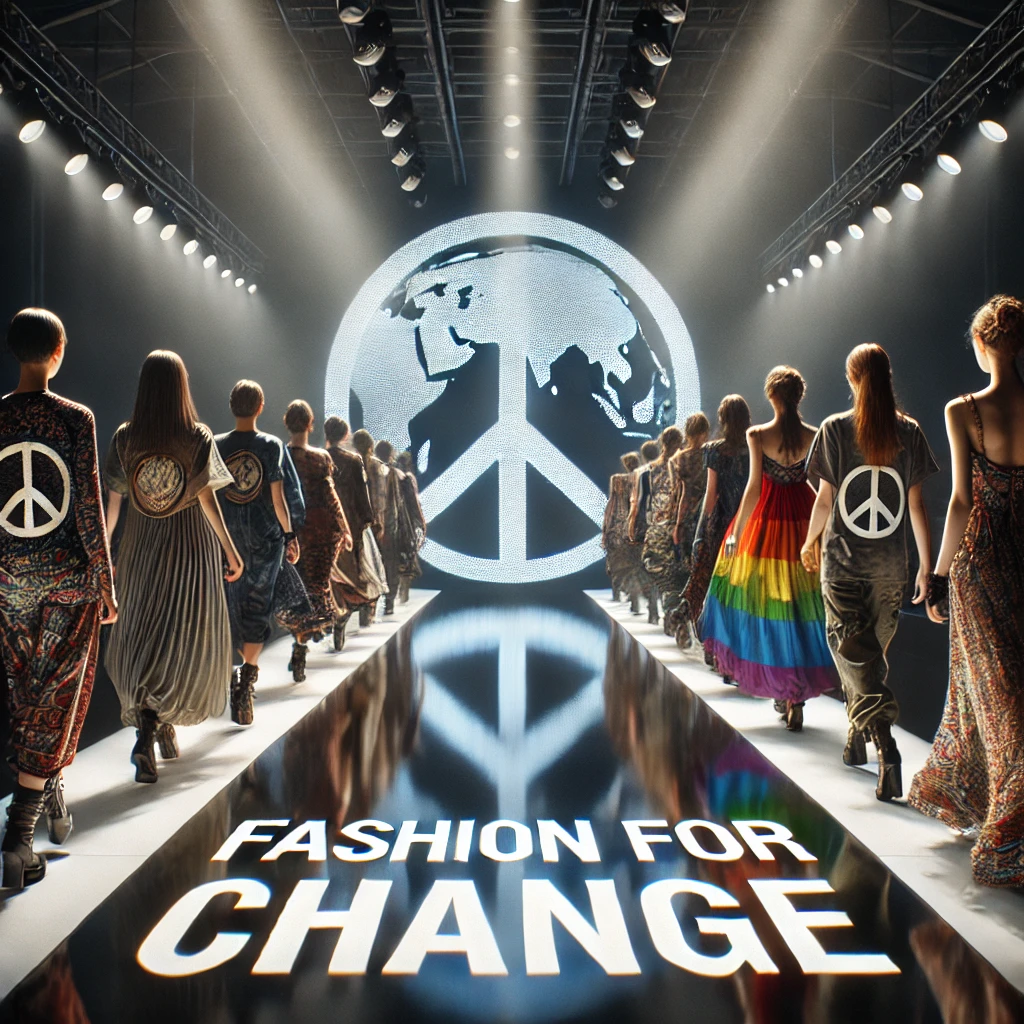

    An image representing the power of fashion in global politics.<br>The vibrant representation embodies the essence of activism, illustrating how fashion can bridge expression and advocacy.<br>A dynamic scene showing a fashion runway with models wearing outfits inspired by activity

    Fashion as an Agent of Change

    The fashion industry has the unique ability to amplify marginalized voices and promote justice.
    This potential is especially evident when fashion is used as a platform to highlight social causes and bring awareness to critical issues.
    Over the years, we’ve seen brands and designers taking stands on issues like climate change, racial injustice, and gender equality.
    By aligning aesthetics with activism, consumers can make powerful statements about their values through their style choices.
    Similarly, rejecting products tied to entities accused of human rights violations is a way to align your wardrobe with your values.

    How You Can Help:

    1. Research Brands
      Before purchasing, research where a brand is based, where it manufactures its products, and whether it has ties to Israel.
      Additionally, many online databases offer insights into a brand’s ethical practices and affiliations.
      Many resources and apps now allow you to check the origins of products quickly.
    2. Support Ethical Alternatives
      Look for brands that prioritize fair trade, support local artisans, or are tied to movements for peace and justice.
      These brands often emphasize sustainability and accountability, appealing to consumers who wish to make a positive impact.
      Many Palestinian-owned fashion brands or other Middle Eastern designers produce high-quality, unique, and ethically made products.
    3. Amplify Palestinian Voices
      The global fashion community includes numerous Palestinian designers and brands whose work reflects their culture and resilience.
      By purchasing from these designers, you not only support their craft but also help promote a narrative of resilience and empowerment.
      Supporting these creators not only uplifts marginalized voices but also contributes to a more balanced narrative in the fashion world.
    4. Educate Others
      Share information about the implications of supporting certain brands.
      Encouraging conversations around these issues can lead to greater awareness and more informed consumer choices.
      Many consumers remain unaware of the connections between their purchases and larger global issues.
    5. Advocate for Transparency
      Demand that fashion brands disclose their supply chains and stances on human rights.
      Holding brands accountable fosters a culture of responsibility and ethical engagement in the fashion industry.
      Transparency is the first step toward accountability.

    Moving Beyond Fashion

    While boycotting Israeli fashion products is one way to make a stand, it’s part of a larger picture.
    Engaging with local and global communities expands the impact of individual efforts beyond mere consumption.
    Advocacy, education, and political action are crucial for addressing systemic injustices.
    Implementing these broader strategies is essential for creating lasting change within systems of power.
    Consumers must also recognize the importance of pushing governments and international organizations to take meaningful steps toward peace and accountability.


    Conclusion

    Fashion is a reflection of our values and priorities.
    Every garment carries a story, and consumers have the power to influence these narratives through conscious decisions.
    By choosing to boycott Israeli fashion products, consumers can use their purchasing power to take a stand against policies they find unjust.
    In doing so, they can help foster a more just and equitable fashion landscape.
    This action, coupled with support for Palestinian brands and broader advocacy, demonstrates that fashion can be a tool for resistance and a force for change.

    The next time you shop, consider this: What story does your clothing tell? Is it one of complicity or courage? The choice is yours.

    .
    Ultimately, the narrative we choose to weave through our fashion choices can lead to significant social change.

  • Celebrating Palestinian Fashion: A Fusion of Tradition and Modern Identity

    Celebrating Palestinian Fashion: A Fusion of Tradition and Modern Identity

    A Palestinian woman wearing a traditional long flowing dress, known as a thobe, with intricate, colorful Tatreez embroidery on the chest and sleeves.

    Introduction 

    Palestinian fashion is a rich tapestry of cultural identity, history, and artistry. Traditional garments and handmade accessories are an expression of Palestinian heritage, while modern designers blend these elements into contemporary styles. In this article, we explore the significance of Palestinian fashion, its roots in embroidery, and how it has evolved over time.

    1. The Iconic Palestinian Thobe: A Cultural Masterpiece

    The Thobe, a long, flowing dress, is perhaps the most iconic piece of Palestinian fashion. Worn by women for special occasions, it is often beautifully embroidered with Tatreez (Palestinian embroidery), each region in Palestine having its own distinctive designs. The embroidery not only represents the artistry of Palestinian women but also tells stories of family, history, and the land.


    A close-up of Palestinian Tatreez embroidery being worked by hands, showing vibrant and intricate patterns. The embroidery is on fabric, with visible

    2. Tatreez: The Art of Palestinian Embroidery

    Tatreez is a centuries-old embroidery technique that has been passed down through generations of Palestinian women. Each stitch holds cultural significance, and the motifs often represent elements of nature, history, or the Palestinian identity. For instance, the tree of life, flowers, or geometric patterns are common. Tatreez is featured on a variety of garments and accessories, from dresses to bags and even scarves.


    A Palestinian man and woman of average appearance, casually dressed, wearing the traditional keffiyeh (Kufiya) with the classic black and white or red

    3. The Palestinian Keffiyeh: A Symbol of Resistance

    The Keffiyeh (or Kufiya) is perhaps the most well-known symbol of Palestinian identity. This checkered scarf, typically black-and-white or red-and-white, has been worn by Palestinian men and women for decades. Initially a practical garment used to protect from the harsh climate, the keffiyeh has evolved into a global symbol of resistance, unity, and Palestinian pride.


    A high-fashion runway scene with a modern Palestinian designer collection, incorporating traditional Tatreez embroidery into contemporary clothing. Th

    4. Modern Palestinian Designers and Fashion

    In recent years, Palestinian fashion has evolved, with local designers blending traditional elements with contemporary styles. Designers like Reem Accra, Hind Hobeika, and Maha Husseini have garnered international recognition by incorporating Palestinian embroidery into their modern collections. These designers aim to keep the essence of Palestinian fashion alive while making it relevant to today’s global fashion scene.


    A variety of Palestinian handmade accessories, including embroidered bags, silver jewelry, and scarves. The items are laid out in a beautiful display,

    5. Handmade Accessories: A Testament to Palestinian Craftsmanship

    Palestinian craftsmanship extends beyond clothing to include beautiful accessories. Hand-embroidered bags, silver jewelry, and scarves are often made with care by local artisans. These accessories, adorned with Palestinian motifs, are not only stylish but also help sustain the local economy and pass on traditional skills.


    A group of diverse models wearing contemporary Palestinian fashion in a cosmopolitan setting. The designs incorporate traditional Palestinian elements

    6. The Role of Palestinian Fashion in Today’s Global Context

    Palestinian fashion has made its mark on the global stage. Designers and brands are using their platform to tell the stories of Palestinian people and showcase the beauty of their culture. Whether through runway shows, social media, or international fashion magazines, Palestinian fashion is being celebrated worldwide, transcending borders and political barriers.


    A symbolic image of a Palestinian woman wearing a traditional thobe or keffiyeh in a historic or culturally significant location. The image should con

    7. Palestinian Fashion as a Tool for Identity and Resistance

    Fashion, for many Palestinians, is a way to express their identity, both as a cultural statement and as a form of resistance. Through clothing and accessories, Palestinians can share their heritage and history with the world, challenging stereotypes and asserting their presence on a global scale.


    Conclusion

    Palestinian fashion is a vibrant, evolving art form that reflects the culture, resilience, and creativity of the Palestinian people. Whether through traditional garments like the thobe and keffiyeh, the intricate artistry of Tatreez embroidery, or the modern interpretations by young designers, Palestinian fashion continues to be a vital expression of identity, pride, and resistance.


    FAQ: Palestinian Fashion


    1. What is Tatreez embroidery?

    Tatreez is a traditional Palestinian form of embroidery that has been passed down through generations. It involves intricate, colorful stitching on fabric, often used to decorate garments like thobes, dresses, and accessories. Each region in Palestine has its own distinctive patterns and motifs, which hold cultural and historical significance.

    2. What is the significance of the keffiyeh?

    The keffiyeh, also known as the kufiya, is a symbol of Palestinian identity, pride, and resistance. Originally worn as a practical garment to protect from the sun and dust, it has become a global symbol of solidarity with the Palestinian people and their struggle for justice and self-determination. The checkered pattern, typically black and white or red and white, is instantly recognizable.

    3. Are Palestinian fashion styles only worn on special occasions?

    While traditional garments like the thobe are often worn on special occasions such as weddings or festivals, many elements of Palestinian fashion, including the keffiyeh, embroidered accessories, and modern interpretations of traditional designs, are worn daily. These items are not just fashion statements but also serve as expressions of cultural pride and resistance.

    4. How has Palestinian fashion evolved?

    Palestinian fashion has evolved from traditional, handmade garments to more modern, global fashion designs. Many Palestinian designers now incorporate traditional elements like Tatreez embroidery into contemporary collections. This fusion of old and new helps to keep Palestinian heritage alive while making it relevant in today’s fashion world.

    5. Can I purchase Palestinian fashion internationally?

    Yes! Many Palestinian fashion designers and brands have gained international recognition and sell their collections online. Additionally, Palestinian-made embroidered items, accessories, and keffiyehs can often be found at international markets, fair trade stores, and online platforms, helping to support local artisans and showcase Palestinian craftsmanship worldwide.

    6. How does Palestinian fashion express resistance?

    Palestinian fashion is deeply connected to the cultural identity and resistance movement of the Palestinian people. Garments like the keffiyeh and thobe, along with Tatreez embroidery, symbolize solidarity, resilience, and the fight for Palestinian rights. Wearing these items is a way to assert Palestinian identity and share the story of struggle and resistance to a global audience.

    7. What are some popular accessories in Palestinian fashion?

    In addition to traditional clothing, Palestinian fashion includes a variety of handmade accessories, such as embroidered bags, silver jewelry, scarves, and headpieces. These accessories often feature the same intricate designs seen in the embroidery and can be worn to complement both traditional and contemporary outfits.

    8. How can I incorporate Palestinian fashion into my wardrobe?

    You can easily incorporate Palestinian fashion into your everyday wardrobe by adding accessories like a keffiyeh or embroidered bags. For those interested in more formal wear, traditional garments such as the thobe or modern Palestinian-designed clothing that incorporates Tatreez can be found through online boutiques and stores that support Palestinian artisans and designers.