My Account

Tag: Thailand

  • Blossoming Beauty: How Thailand’s Native Flowers Shape Modern Fashion

    Blossoming Beauty: How Thailand’s Native Flowers Shape Modern Fashion

    Thailand’s landscape is a vibrant tapestry of color, defined by its extraordinary flora. From the misty, temperate peaks of the North to the humid, sun-drenched tropical gardens of the South, the country is home to thousands of native flower species that have co-evolved with Thai culture for centuries. Beyond their obvious botanical beauty and ecological importance, these flowers have served as the ultimate muse for Thai fashion, jewelry, and textile design throughout history. In Thailand, a flower is rarely just a plant; it is a symbol, a story, and a spiritual anchor. Today, we explore the profound connection between the land and the loom, examining how the shapes, colors, and symbolism of these blossoms continue to bloom on modern international runways and in the quiet, focused traditional artisanal workshops of rural Thailand.

    The intersection of nature and fashion in Thailand is not a modern trend but a foundational element of the nation’s identity. Historically, the patterns on royal silks and the dyes used in village-woven cotton were directly inspired by the surrounding vegetation. This ‘botanical literacy’ remains strong today, as contemporary designers look backward to ancestral techniques to create forward-thinking, sustainable collections that resonate with a global audience seeking authenticity and ethical beauty.

    The Ratchaphruek: A Royal Inspiration in Gold

    The Ratchaphruek, or Golden Shower Tree (Cassia fistula), is the national flower of Thailand, and its influence on the Thai aesthetic cannot be overstated. When the tree blooms, its cascading clusters of bright yellow blossoms transform entire landscapes into shimmering vistas of gold. The name itself, ‘Ratchaphruek,’ combines the words for ‘royal’ and ‘tree,’ reflecting its deep association with the Thai monarchy, particularly the late King Rama IX, for whom yellow was the representational color.

    In the world of fashion, the Ratchaphruek’s golden hue has become a cornerstone of formal Thai attire. The color yellow in Thailand symbolizes prosperity, warmth, and the sun, qualities that are often woven into high-quality Thai silk through the use of intricate gold threads (Zari). Designers frequently use the tree’s unique ‘weeping’ silhouette as a structural reference. You will often see fluid, draped garments that mimic the way the Ratchaphruek blossoms hang in heavy, elegant bundles, bringing a sense of natural majesty to the wearer.

    Furthermore, the Ratchaphruek has inspired a movement toward organic dyeing. The bark and flowers of the tree can be used to create soft, earthy yellows and tans, providing a sustainable alternative to harsh chemical dyes. This connection to the land ensures that the garment not only looks like the national flower but is actually part of it, creating a full-circle narrative of environmental and cultural respect.

    Close-up of hand-embroidered lotus motifs on shimmering Thai silk

    The Sacred Lotus: Purity in Every Stitch

    No flower holds more spiritual or cultural significance in Thailand than the Lotus (Bua). Growing from the murky mud of ponds and lakes to bloom perfectly clean and beautiful above the water’s surface, the lotus is the ultimate symbol of purity, enlightenment, and resilience in Buddhism, a metaphor that resonates deeply in the Thai psyche and, by extension, its fashion heritage. The lotus is not just a pattern; it is a philosophy of rising above adversity to reach one’s highest potential.

    The ‘Lai Bua’ (Lotus pattern) is one of the most recognizable motifs in traditional Thai textile design. Artisans in regions like Surin and Lamphun spend weeks, sometimes months, hand-weaving or embroidering lotus petals onto the borders of ‘Pha Sin’ (traditional sarongs) and ‘Chut Thai’ (formal costumes). Each petal is often rendered with extreme precision, using varying shades of pink, white, and purple to create a three-dimensional effect on the flat surface of the silk.

    In modern high fashion, the lotus has moved beyond two-dimensional patterns. Contemporary designers are now experimenting with ‘Lotus Silk’, a rare and incredibly labor-intensive fiber extracted from the stems of the lotus flower. This fabric is one of the most eco-friendly textiles in existence, requiring no chemicals or heavy machinery to produce. The resulting material is soft, breathable, and holds a spiritual weight that synthetic fabrics can never match. At BirdyBerry, while we focus on linen, we take inspiration from the lotus’s structural geometry, creating necklines and hemlines that echo the gentle, overlapping curves of a blooming bud.

    The Scent of Style: Jasmine, Orchids, and Frangipani

    While the Ratchaphruek and Lotus dominate the formal and spiritual spheres, the Orchid, Jasmine (Mali), and Frangipani (Leelawadee) define the everyday ‘tropical chic’ of Thailand. Thailand is the world’s leading exporter of orchids, and the flower’s exotic, rare beauty has long been associated with luxury. In fashion, the orchid’s vibrant purples and fuchsias are frequently used in bold print designs, especially for resort wear and beachwear. The intricate, almost alien shapes of the orchid provide endless inspiration for avant-garde accessory designers who create sculptural jewelry that mimics the flower’s delicate anatomy, creating sculptural jewelry that mimics the flower’s delicate anatomy.

    Jasmine, on the other hand, is the symbol of Mother’s Day in Thailand and represents pure love and virtue. Its influence is most visible in the ‘Malai’, the traditional Thai flower garland. While these are often made of fresh blossoms, their design has influenced modern accessory trends, we see delicate Jasmine-shaped beads, white lace overlays, and pearl embellishments that aim to capture the flower’s miniature, perfect form. Wearing jasmine-inspired elements often brings a sense of traditional grace and softness to a modern outfit.

    The Frangipani, with its iconic five-petal shape and intoxicating scent, is a staple of Thai temple gardens and island life, its influence on fashion is primarily seen in graphic prints and the ‘slow fashion’ movement. Because frangipanis are so abundant, they are often used by local artisans in botanical printing, where the actual flowers are pressed into fabric to transfer their natural pigments and shapes. This technique creates one-of-a-kind garments that are a literal impression of the Thai landscape.

    The Artisan’s Role: Translating Nature to Fabric

    The translation of Thailand’s flora into fashion is a collaborative effort between the land and the loom, facilitated by the country’s dedicated artisans. These craftsmen and women are the gatekeepers of traditional knowledge, knowing exactly which flower, bark, or leaf will produce a specific, lightfast color. For instance, the deep reds often seen in Thai textiles can be derived from the heartwood of the sappanwood tree, while the vibrant blues come from the fermented leaves of the indigo plant.

    This process of natural dyeing is inherently tied to the seasons and the blooming cycles of native flowers. It requires a level of patience that is entirely absent in the world of fast fashion. At BirdyBerry, we take great pride in supporting these traditional methods. We believe that by using eco-friendly materials like linen, which is itself a plant-based fiber, we provide the perfect, honest canvas for these nature-inspired colors and motifs. When you wear a garment that has been dyed with plants or embroidered with floral patterns, you are carrying a piece of the Thai ecosystem with you. It is a way of staying connected to the natural world in an increasingly digital and synthetic age.

    A Sustainable Legacy: The Future of Floral Fashion

    As the global fashion industry grapples with its environmental impact, Thailand’s floral-inspired heritage offers a roadmap for a more sustainable future. The shift toward ‘Bio-based’ fashion is gaining momentum, and Thai designers are at the forefront, exploring how native plants can provide not just inspiration, but the actual raw materials for our clothes. From pineapple fiber leather to lotus stem silk, the possibilities are as vast as the Thai jungle itself.

    By protecting Thailand’s native flora, we are not just preserving biodiversity; we are also protecting the rich cultural heritage and the future of Thai fashion. At BirdyBerry, our commitment to eco-friendly production and our lifetime guarantee on workmanship are extensions of this respect for nature. We design our pieces to last as long as the perennial blooms that inspire them, ensuring that your style remains as timeless as a Ratchaphruek in spring.

    In conclusion, the native flowers of Thailand are far more than mere decoration. They are the threads that connect the past to the present, the spiritual to the material, and the artisan to the wearer. As we continue to draw inspiration from the Blossoming Beauty of our land, we invite you to choose fashion that celebrates this connection, fashion that is grown, not just manufactured.

  • 5 Reasons to Choose Eco-Friendly Fashion from Thailand

    5 Reasons to Choose Eco-Friendly Fashion from Thailand

    In an era dominated by ‘fast fashion’, a cycle of rapid production and disposable garments, making a conscious choice about what we wear has never been more critical. At BirdyBerry, we believe that fashion should be a force for good, reflecting our values of sustainability, respect for heritage, and uncompromising quality. Our philosophy is simple: create beautiful, durable clothing that respects both the planet and the people who make it. Here is a deep dive into five compelling reasons why choosing eco-friendly fashion made in Thailand is a step toward a more sustainable and ethical future.

    1. The Power of Sustainable Materials: Beyond the Surface

    Our commitment to the environment starts with the very first thread. We prioritize natural fibers like premium linen and organic cotton, which offer significant environmental advantages over synthetic alternatives. Unlike polyester, which is derived from petroleum and can take centuries to decompose, linen is made from the hardy flax plant. It requires significantly less water and fewer pesticides to grow, and every part of the plant can be used, leaving no waste behind.

    Furthermore, these materials are perfectly suited for the tropical climate. Linen’s natural breathability and moisture-wicking properties keep you cool and comfortable even in high humidity. By choosing these biodegradable fibers, you are ensuring that your wardrobe doesn’t contribute to the microplastic pollution clogging our oceans, but instead returns to the earth at the end of its long life.

    Skilled hands weaving traditional Thai fabric on a loom

    2. Preserving Authentic Thai Craftsmanship

    Thailand has a rich, centuries-old history of textile artistry. At BirdyBerry, each piece is more than just a garment, it is a canvas of cultural heritage. We work closely with skilled local artisans who utilize traditional weaving and sewing techniques passed down through generations. These methods often involve intricate handwork that machines simply cannot replicate, resulting in unique textures and a level of detail that is truly special. To learn more about how nature inspires these designs, check out our guide on Thailand’s native flowers and fashion.

    By integrating these traditional practices into modern, eco-friendly designs, we are helping to ensure that these invaluable skills do not disappear in the face of mass automation. Your purchase directly supports the livelihoods of these artisans and keeps the vibrant spirit of Thai craftsmanship alive and thriving in the 21st century.

    3. Ethical Production: A Thai-Owned Commitment

    Ethics are the heartbeat of our operation. Being Thai-owned means we have a deep-rooted personal commitment to supporting our local communities. We don’t just ‘source’ from Thailand, we live and work alongside the people who make our brand possible. This proximity allows for total transparency in our supply chain.

    We guarantee fair wages that go beyond the industry standard, ensuring our team can support their families and invest in their futures. We provide safe, healthy, and respectful working environments where every individual is valued. When you wear BirdyBerry, you can do so with the peace of mind that your clothing was made with joy and respect, not exploitation.

    4. The Lifetime Guarantee: Fighting the ‘Throwaway’ Culture

    The most sustainable garment is the one you already own, and the one that lasts for decades. We are so confident in the durability of our materials and the skill of our tailors that we offer a lifetime guarantee on our workmanship. This is our bold stance against the ‘planned obsolescence’ of fast fashion.

    If a seam eventually gives way or a button needs a professional replacement due to years of love and wear, we invite you to send it back to us. We will repair it at no cost to you, ensuring your favorite pieces stay in your wardrobe and out of the landfill. This commitment to longevity is the ultimate expression of sustainability, encouraging a ‘buy once, wear forever’ mentality that significantly reduces personal waste over time.

    5. Drastically Reducing Our Carbon Footprint

    In the global fashion industry, a single shirt might travel across multiple continents before it reaches your doorstep, creating a massive carbon footprint in the process. By centralizing our production in Thailand and sourcing as many regional materials as possible, we cut out thousands of miles of unnecessary transportation.

    Furthermore, our small-batch production model prevents the environmental disaster of ‘overstock’, mountains of unsold clothing that are often incinerated or buried by large retailers. Every BirdyBerry piece is produced with intention. When you choose local, eco-friendly production, you are choosing a leaner, cleaner, and more responsible way to engage with the world of fashion.

  • 10 Must-Have Pieces for Your Next Beach Holiday in Thailand

    10 Must-Have Pieces for Your Next Beach Holiday in Thailand

    Thailand’s sun-kissed beaches and crystal-clear waters are a dream destination for any traveler. To fully enjoy your tropical vacation while staying stylish and comfortable, packing the right wardrobe is essential. In this guide, we’ll explore 10 must-have pieces for your next beach holiday in Thailand. Each item is chosen to enhance your experience in this tropical paradise.

    A model walking along a sandy Thai beach at sunset, wearing a vibrant floral maxi dress flowing in the breeze, surrounded by serene tropical scenery.

    1. Flowy Maxi Dress

    A flowy maxi dress is a beach holiday staple. It’s lightweight, breathable, and perfect for everything from a stroll along the beach to a romantic dinner by the sea. Look for dresses made of natural fibers like cotton or rayon to stay cool in Thailand’s warm climate.

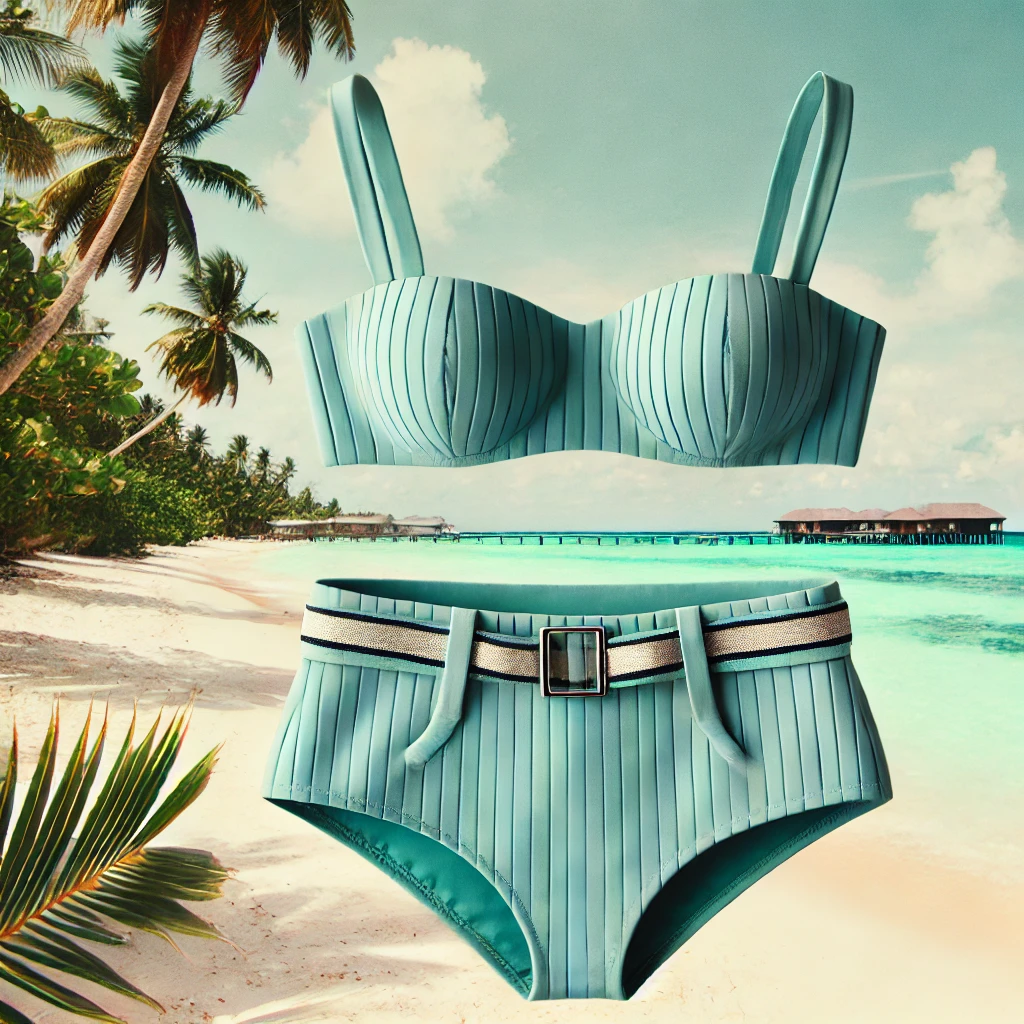
    A stylish high-waisted bikini set against the backdrop of clear turquoise waters and a tropical beach with palm trees, evoking a fresh and summery vibe.

    2. High-Waisted Bikini

    The high-waisted bikini is a blend of retro chic and modern comfort. Its flattering silhouette offers extra coverage while maintaining a trendy look. Opt for tropical prints or bold colors to match Thailand’s vibrant scenery.

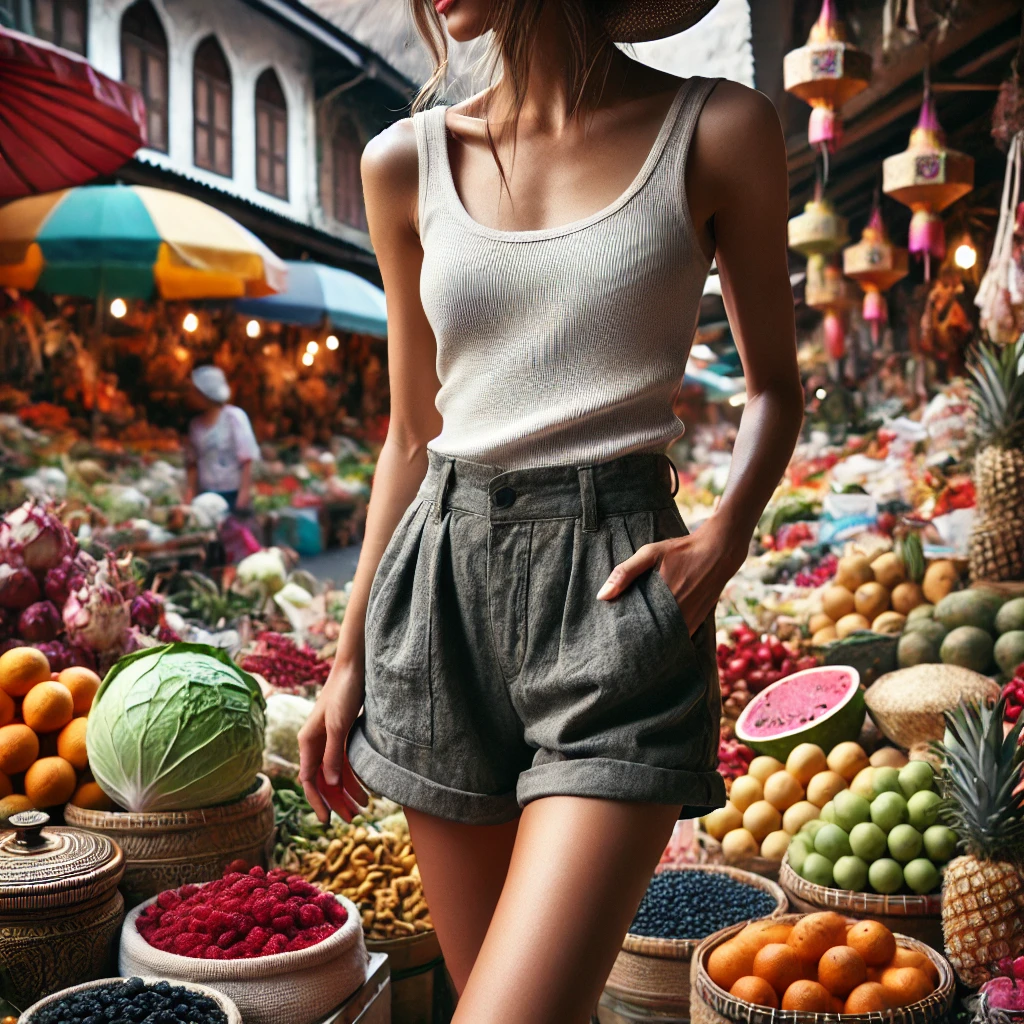
    Casual linen shorts styled with a tucked-in tank top, captured in a bustling Thai market filled with colorful tropical fruits, exotic spices.

    3. Linen Shorts

    Comfortable and versatile, linen shorts are a go-to for tropical climates. Pair them with a tank top or a bikini top for daytime exploring or lounging. Their breathable fabric ensures you stay cool even on hot afternoons.

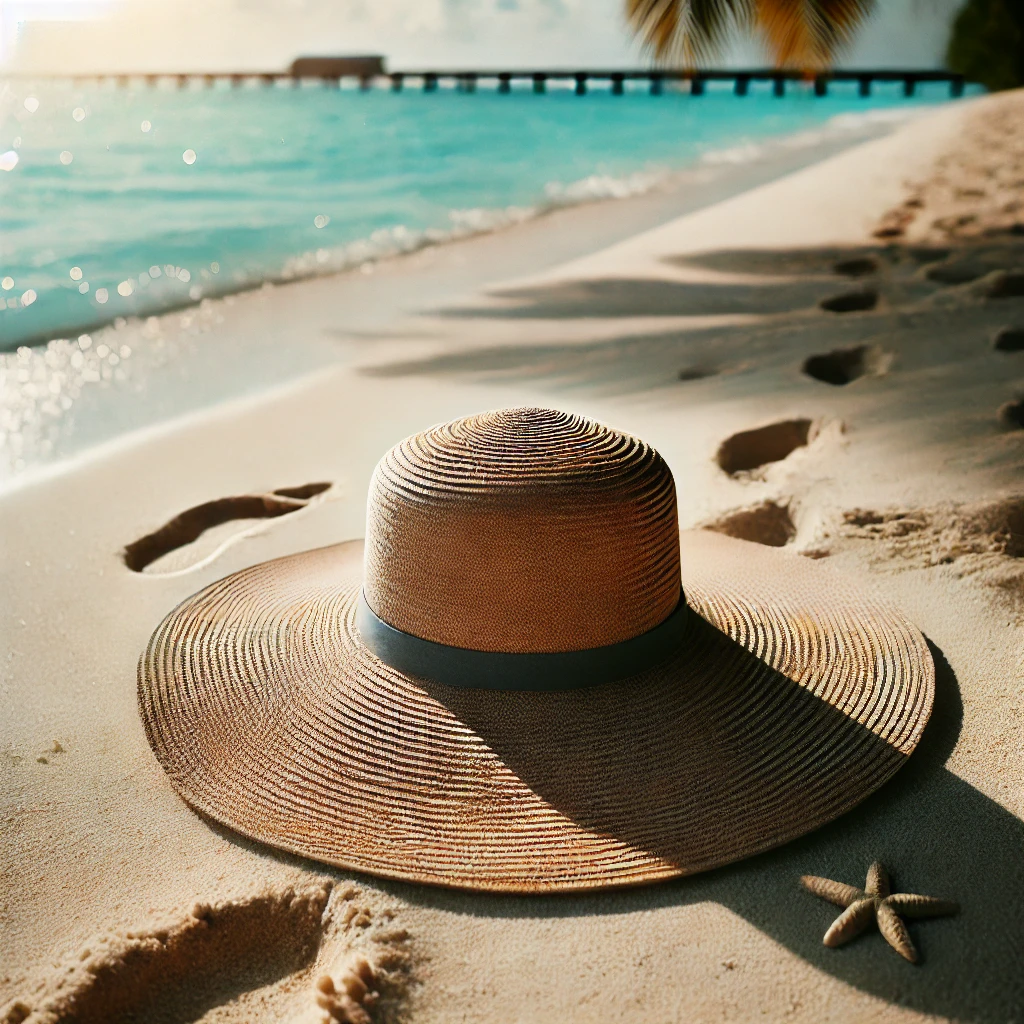
    A wide-brimmed sun hat casting soft shadows on a sandy beach, with footprints leading to the water and a sunny tropical ambiance in the background.

    4. Oversized Sun Hat

    Stay protected from the sun while exuding beachy elegance with an oversized sun hat. This accessory adds a touch of glamour and shields your face from harmful UV rays. Choose neutral tones that complement any outfit.


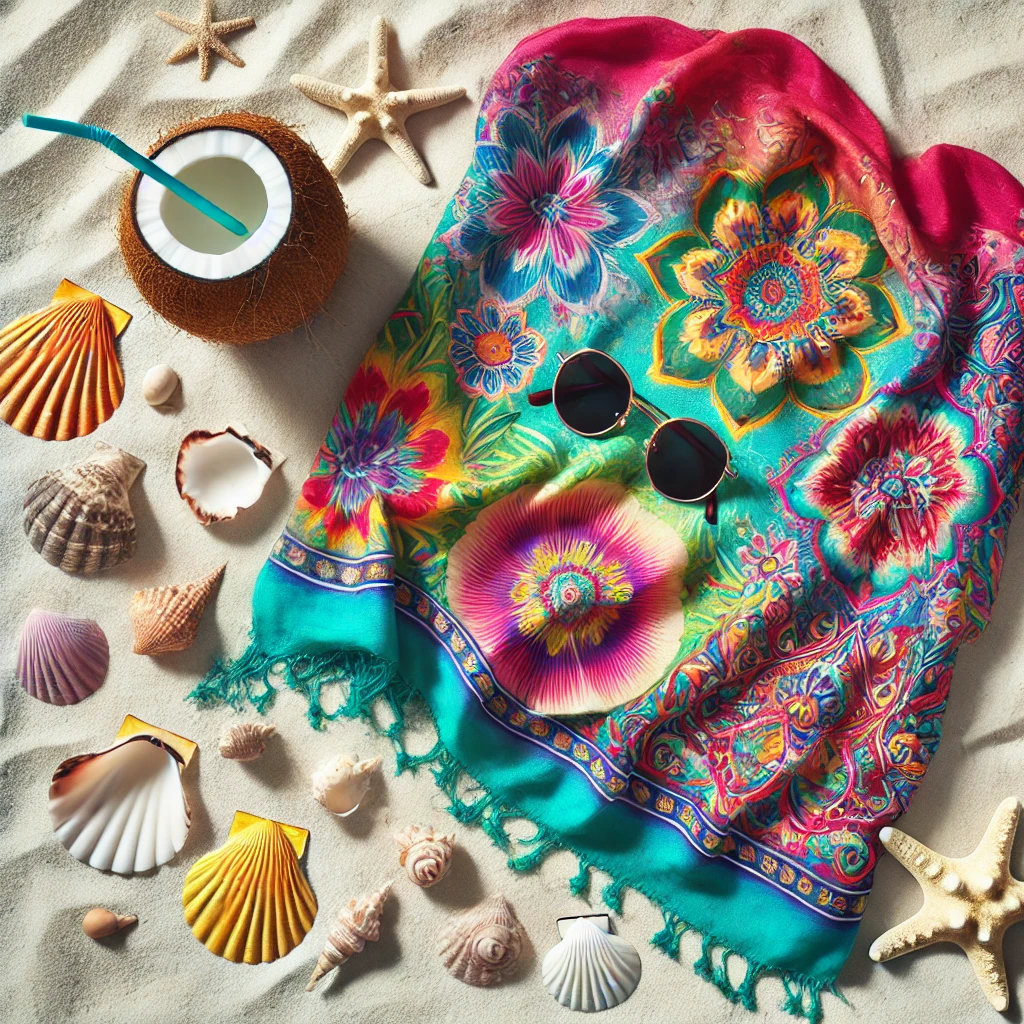
    A colorful rayon sarong spread out on white sand, adorned with seashells, a coconut drink with a straw, and sunglasses, evoking a vibrant tropical vacation.

    5. Rayon Sarong

    The ultimate multitasker, a rayon sarong is a must-have for your Thailand beach holiday. Use it as a swimsuit cover-up, a lightweight scarf, or even a picnic blanket. Its vibrant patterns also make it a statement piece.


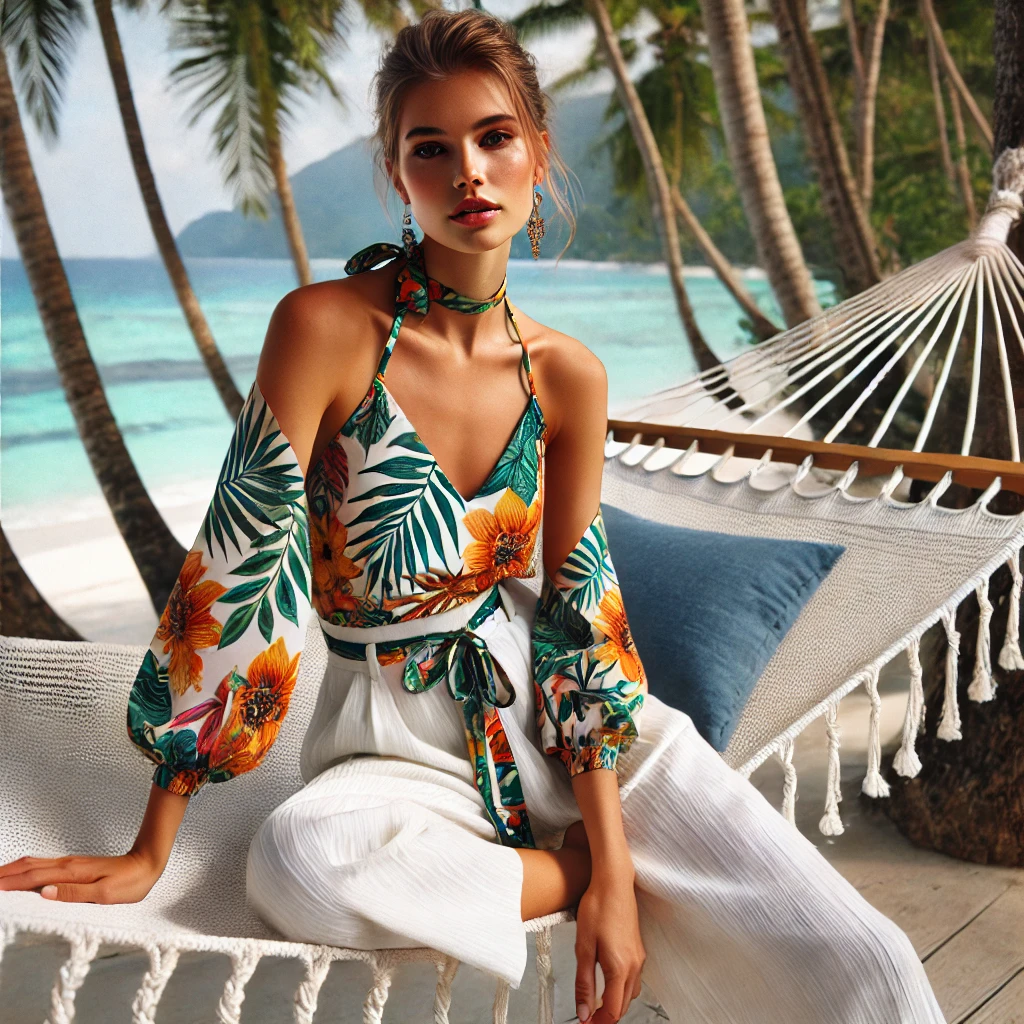
    A stylish halter top in a vibrant tropical print, paired with white linen trousers, worn by a model lounging on a hammock under palm trees with the ocean.

    6. Halter Top

    A halter top in a vibrant tropical print is a versatile and stylish addition to your beach wardrobe. Pair it with white linen trousers for a chic yet relaxed look that’s perfect for exploring local markets or enjoying sunset drinks by the beach. The halter design provides comfort while showcasing your shoulders, making it ideal for Thailand’s warm and sunny climate.


    A lightweight kimono billowing in the breeze, worn by a model walking along a wooden boardwalk surrounded by palm trees, with the ocean in the background.

    7. Lightweight Kimono

    A lightweight kimono adds elegance to your outfit without making you feel overheated. Throw it over your swimsuit for a chic cover-up or pair it with shorts for a boho-inspired look.


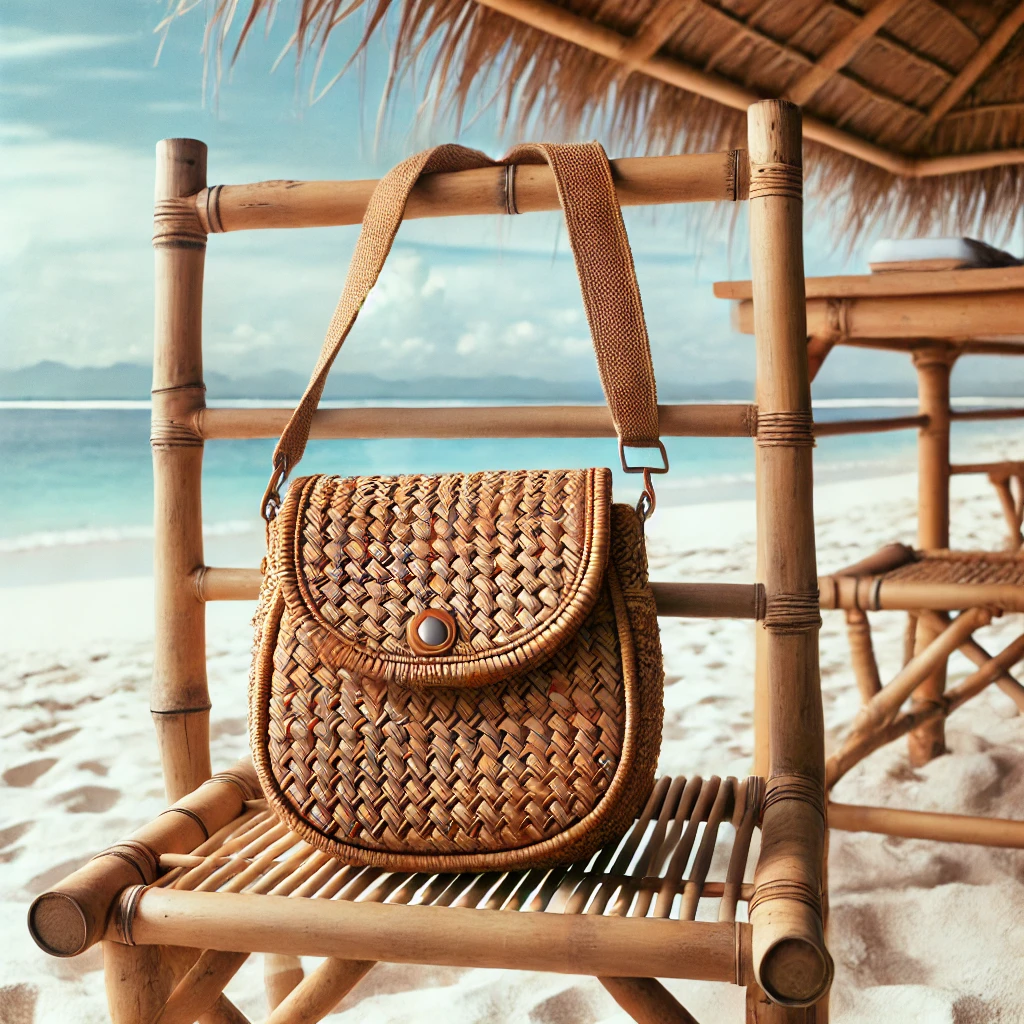
    A woven crossbody bag hanging on a bamboo chair by the beach, with the ocean and white sand in the background, evoking a practical and tropical vibe.

    8. Crossbody Bag

    Stay hands-free and stylish with a crossbody bag. Look for one made from woven materials or natural fibers to complement your tropical outfits. It’s perfect for carrying your essentials during day trips.


    Close-up of bold statement sunglasses resting on a coconut drink with a straw, placed by an infinity pool overlooking the ocean and a tropical beach.

    9. Statement Sunglasses

    Protect your eyes while adding a dose of drama to your outfit with statement sunglasses. Cat-eye, oversized, or bold-framed styles are great for capturing that tropical glam vibe.


    A vibrant tropical print jumpsuit worn by a model during a sunset photoshoot, with palm trees and a glowing sky in the background.

    10. Tropical Print Jumpsuit

    A tropical print jumpsuit combines comfort and style. It’s a one-and-done outfit that transitions effortlessly from beachside brunch to sunset cocktails. Choose breathable fabrics to keep cool.


    Packing Tips for Your Beach Holiday

    Now that you have your must-have pieces, here are a few packing tips:

    • Stick to a cohesive color palette for easy mixing and matching.
    • Roll your clothes to save space and prevent wrinkles.
    • Bring a reusable water bottle and eco-friendly sunscreen to stay hydrated and protect your skin.

    Why These Pieces Are Perfect for Thailand

    Thailand’s tropical climate means hot days and balmy nights, so breathable, lightweight fabrics are key. These 10 pieces are versatile, comfortable, and stylish, ideal for exploring everything from bustling markets to tranquil islands. Plus, their practicality ensures you’re ready for anything, from snorkelling adventures to candlelit dinners on the sand.

    Final Thoughts

    Your beach holiday in Thailand is an opportunity to relax, explore, and indulge in the country’s natural beauty. By packing these 10 essential pieces, you’ll ensure your wardrobe is as unforgettable as your destination. Shop smart, pack light, and enjoy your tropical adventure in style!

  • Traditional Thai Attire: Incorporating Local Fashion into Your Vacation Wardrobe

    Traditional Thai Attire: Incorporating Local Fashion into Your Vacation Wardrobe

    A stylish tourist in Thailand wearing a modern blouse paired with a traditional silk sarong, walking through a scenic street. She is accessorizedIntroduction

    Traveling to Thailand offers a unique opportunity to immerse yourself into its rich culture, and one of the best ways to do this is through traditional Thai attire. Incorporating local fashion into your vacation wardrobe not only enhances your travel experience but also shows respect for the local customs.

    Key Elements of Traditional Thai Attire

    1. A detailed illustration of traditional Thai attire, featuring a woman wearing a fitted blouse paired with a silk pha sin (tube skirt)Chut Thai

      • The traditional attire for women includes a fitted blouse paired with a “pha nung” (a wrap-around skirt) or a “pha sin” (a tube skirt), often made from silk.
      • Men typically wear a “chong kraben,” a piece of cloth wrapped around the waist and pulled between the legs, paired with a shirt.
    1. A tourist in Thailand wearing traditional Thai attire, incorporating elements such as a silk sarong, a patterned blouse, and traditional accessoriesSilk Sarongs

      • Silk sarongs are a staple in Thai fashion, known for their vibrant colors and intricate patterns.
      • These can be worn as skirts, wraps, or even dresses, making them versatile additions to your wardrobe.
    2. Fashion-conscious tourist in Thailand layering traditional Thai pieces with modern clothing. She wears a Thai jacket over a simple dress and accessoriesTraditional Blouses and Jackets

      • Women’s blouses often feature delicate embroidery and are made from lightweight fabrics perfect for the tropical climate.
      • Traditional jackets can be worn for a more formal look, often adorned with elaborate designs.
    3. Vibrant market scene in Thailand, showing tourists shopping for traditional Thai attire. Stalls are filled with colorful silk sarongsThai Silk Scarves

      • Scarves made from Thai silk are not only stylish but also functional, protecting you from the sun and adding a touch of elegance to any outfit.
    4. Accessories

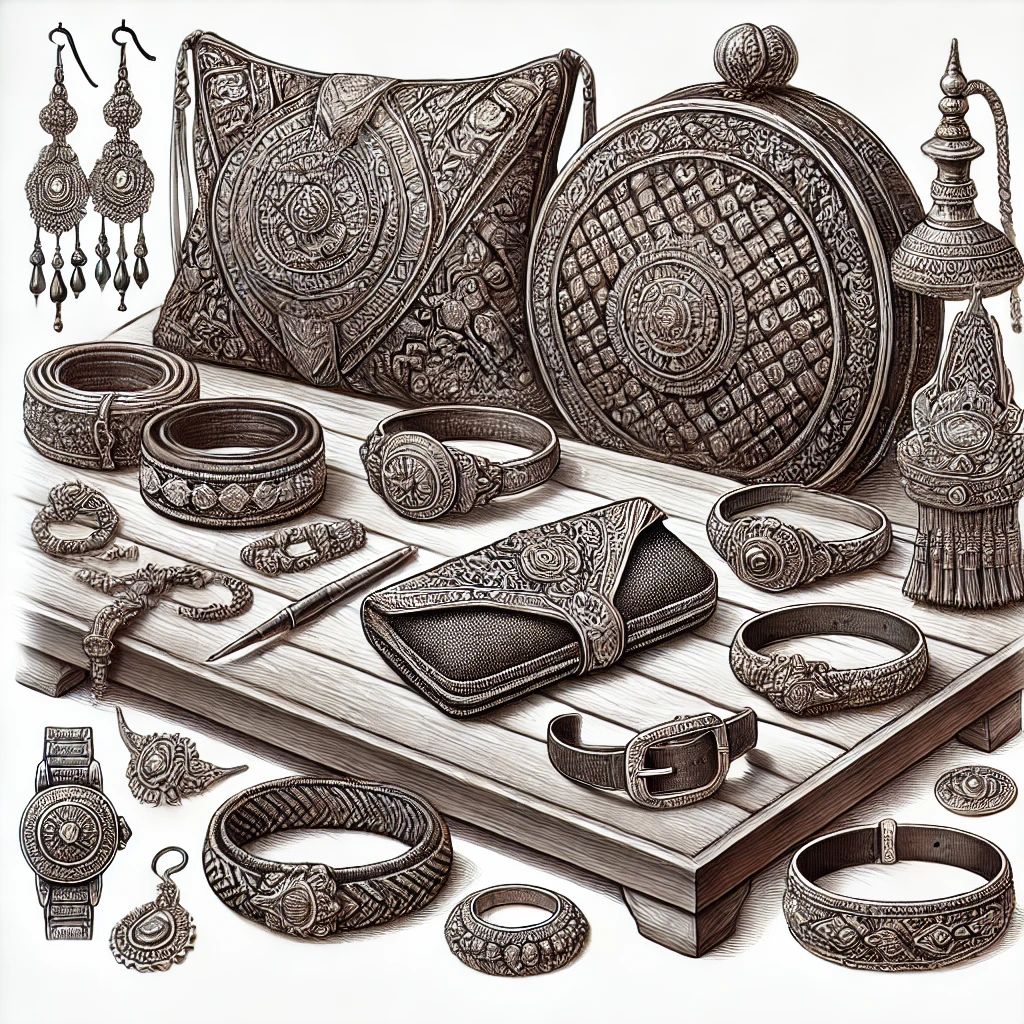
      • Complete your look with traditional accessories such as silver jewelry, handcrafted belts, and embroidered bags.


    Where to Find Traditional Thai Attire

    Local Markets Local markets are treasure troves for traditional Thai attire. Markets like Chatuchak in Bangkok and the Night Bazaar in Chiang Mai offer a wide variety of authentic pieces. These markets are vibrant and bustling, providing an immersive shopping experience. You can find everything from silk sarongs to handcrafted jewelry, often at reasonable prices.

    Specialized Boutiques For those seeking high-quality traditional attire, specialized boutiques are the way to go. These boutiques often work closely with local artisans, ensuring that each piece is crafted with care and attention to detail. Boutiques in cities like Bangkok and Chiang Mai are renowned for their exquisite collections of traditional Thai clothing. Some well-known boutiques include:

    • Jim Thompson House: Famous for its high-quality Thai silk products.
    • Queen Thai Silk: Known for a wide range of silk garments and accessories.
    • Thai Tribal Crafts: Offers handmade clothing and accessories by local tribes.

    Artisan Workshops Visiting artisan workshops provides a unique opportunity to see how traditional Thai garments are made. Many workshops welcome visitors and offer the chance to purchase items directly from the artisans. This not only ensures authenticity but also supports local craftsmen. In places like Chiang Mai and the northern provinces, you can find workshops specializing in handwoven textiles and traditional embroidery.

    Online Stores For those who prefer shopping from the comfort of their home, many online stores offer traditional Thai attire. Websites like Etsy and local Thai e-commerce platforms feature a variety of handcrafted items from Thai artisans. Shopping online allows you to explore a wide range of products and have them delivered directly to your doorstep.


    How to Incorporate Thai Fashion into Your Wardrobe

    1. Mix and Match

      • Pair a traditional silk sarong with a modern blouse for a chic, contemporary look.
      • Use Thai silk scarves as headwraps, belts, or even sarongs to add a pop of color and elegance to your outfits.
    1. Layering

      • Layer traditional pieces with your everyday clothing to create unique and stylish combinations. A Thai jacket can be worn over a simple dress or jeans.
    2. A detailed illustration of traditional Thai accessories, including silver jewelry, handcrafted belts, and embroidered bags. The setting includes a wooAccessorize

      • Enhance your outfits with traditional accessories like silver jewelry or an embroidered bag, adding an authentic touch to your style.

    Benefits of Wearing Traditional Thai Attire

    1. Cultural Appreciation

      • Wearing traditional attire shows respect for Thai culture and allows you to experience the country more authentically.
    2. Comfort

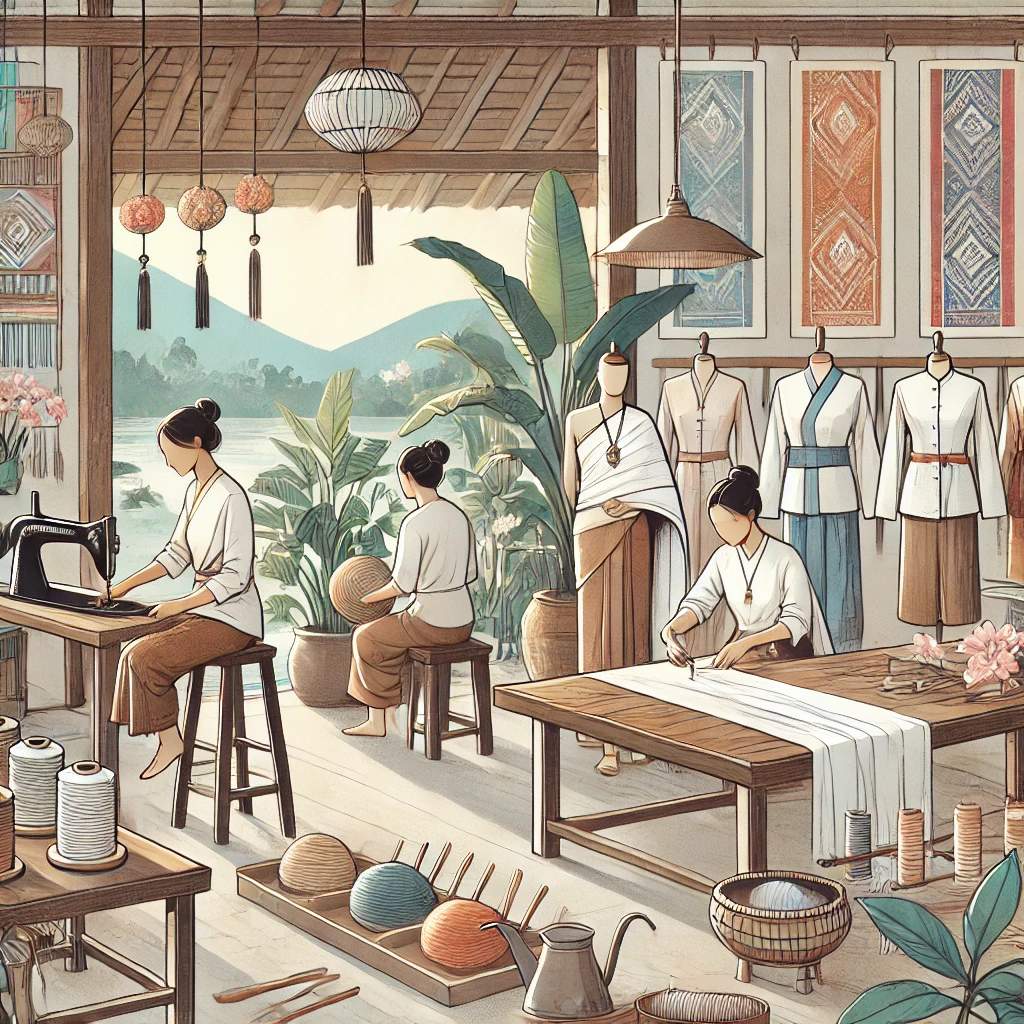
    3. Illustration showcasing sustainable fashion practices in Thailand. The image features artisans crafting traditional Thai garments using sustainable fabricsSustainability

      • Many traditional garments are handcrafted using sustainable methods, making them an eco-friendly choice.

    Conclusion

    Incorporating traditional Thai attire into your vacation wardrobe is a wonderful way to immerse yourself in the local culture and add a unique touch to your travel experience. From elegant silk sarongs to intricate accessories, these pieces not only enhance your style but also reflect Thailand’s rich cultural heritage. Embrace the opportunity to wear traditional Thai clothing and make your trip to Thailand even more memorable.

    By blending traditional and modern elements, you can create a unique and stylish vacation wardrobe that honors Thai culture while staying true to your personal fashion sense.


    Frequently Asked Questions


    1. What is traditional Thai attire? Traditional Thai attire, known as “Chut Thai,” includes garments like silk sarongs, fitted blouses, and for men, the “chong kraben.” These outfits often feature intricate patterns and are made from natural fabrics like silk and cotton.

    2. Where can I buy traditional Thai clothing in Thailand? You can purchase traditional Thai clothing at local markets such as Chatuchak in Bangkok and the Night Bazaar in Chiang Mai, specialized boutiques, artisan workshops, and online stores.

    3. How can I incorporate traditional Thai fashion into my modern wardrobe? You can mix and match traditional pieces with modern clothing, layer traditional jackets over contemporary outfits, and accessorize with items like Thai silk scarves and silver jewelry.

    4. Are traditional Thai garments comfortable to wear? Yes, traditional Thai garments are made from breathable fabrics like silk and cotton, making them comfortable for Thailand’s tropical climate.

    5. How do I care for traditional Thai clothing? Care instructions vary, but generally, it’s best to hand wash silk items in cold water and avoid direct sunlight when drying. Always check specific care labels.

    6. Why should I wear traditional Thai attire during my visit to Thailand? Wearing traditional Thai attire shows respect for the local culture and enhances your travel experience by allowing you to immerse yourself more fully in the cultural heritage of Thailand.

    7. Is traditional Thai clothing sustainable? Many traditional Thai garments are handcrafted using sustainable methods and natural fibers, making them an eco-friendly fashion choice.

    8. Can I find traditional Thai clothing in modern styles? Yes, many contemporary designers incorporate traditional elements into modern styles, offering a blend of old and new that is both stylish and culturally respectful.

    9. What accessories go well with traditional Thai attire? Accessories such as silver jewelry, handcrafted belts, and embroidered bags complement traditional Thai attire beautifully, adding an authentic touch to your outfits.

    10. Are there any specific occasions where I should wear traditional Thai attire? Traditional Thai attire is suitable for cultural events, temple visits, and any occasion where you want to show appreciation for Thai culture.

  • What To Do In Thailand

    What To Do In Thailand

    Thailand, often referred to as the “Land of Smiles,” is a vibrant country teeming with culture, natural beauty, adventure, and culinary delights. Whether you’re a history enthusiast, a beach lover, an adventure seeker, or a foodie, Thailand offers a diverse range of activities to suit every type of traveller. This article delves into what to do in Thailand, turning your trip into an unforgettable experience.

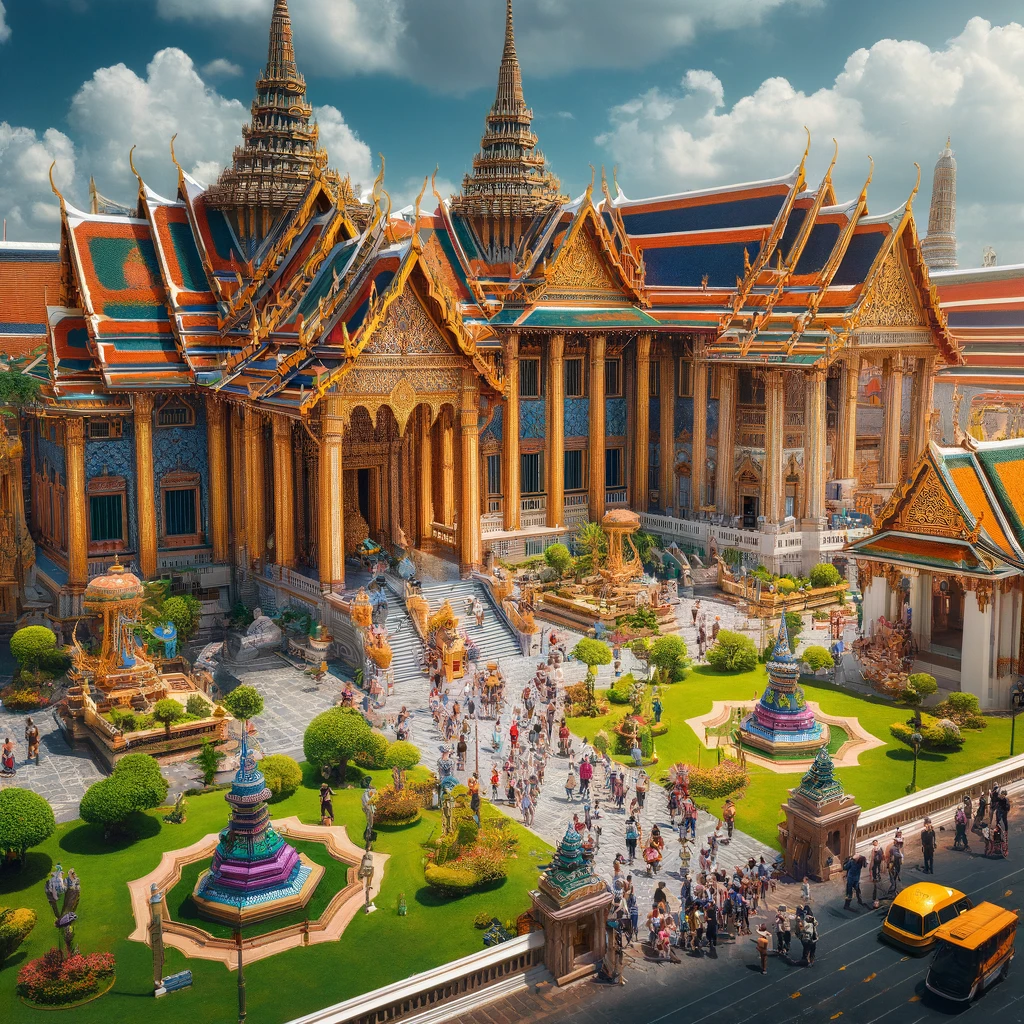
    Bangkok's Grand Palace, a stunning example of Thai architecture, vibrant and intricate, with tourists exploring the grounds, sunny day

    Visit Bangkok

    Bangkok, the pulsating heart of Thailand, is a city where the traditional and the modern coexist. The Grand Palace, with its intricate architecture, stands as a testament to the country’s rich history. Nearby, Wat Arun offers stunning views, especially at sunset. For a taste of local life, the Chatuchak Weekend Market offers everything from clothes to culinary treats.

    Explore the Streets

    Bangkok’s street life is an experience in itself. From street food vendors offering delectable local dishes to bustling markets selling a myriad of goods, the streets are where the city’s heart beats the strongest.

    Cultural Landmarks

    The city is dotted with numerous temples and cultural landmarks. Besides the Grand Palace and Wat Arun, Wat Pho and its reclining Buddha is a must-visit. The blend of history, spirituality, and artistry found in these sites offers a deep dive into Thai culture.

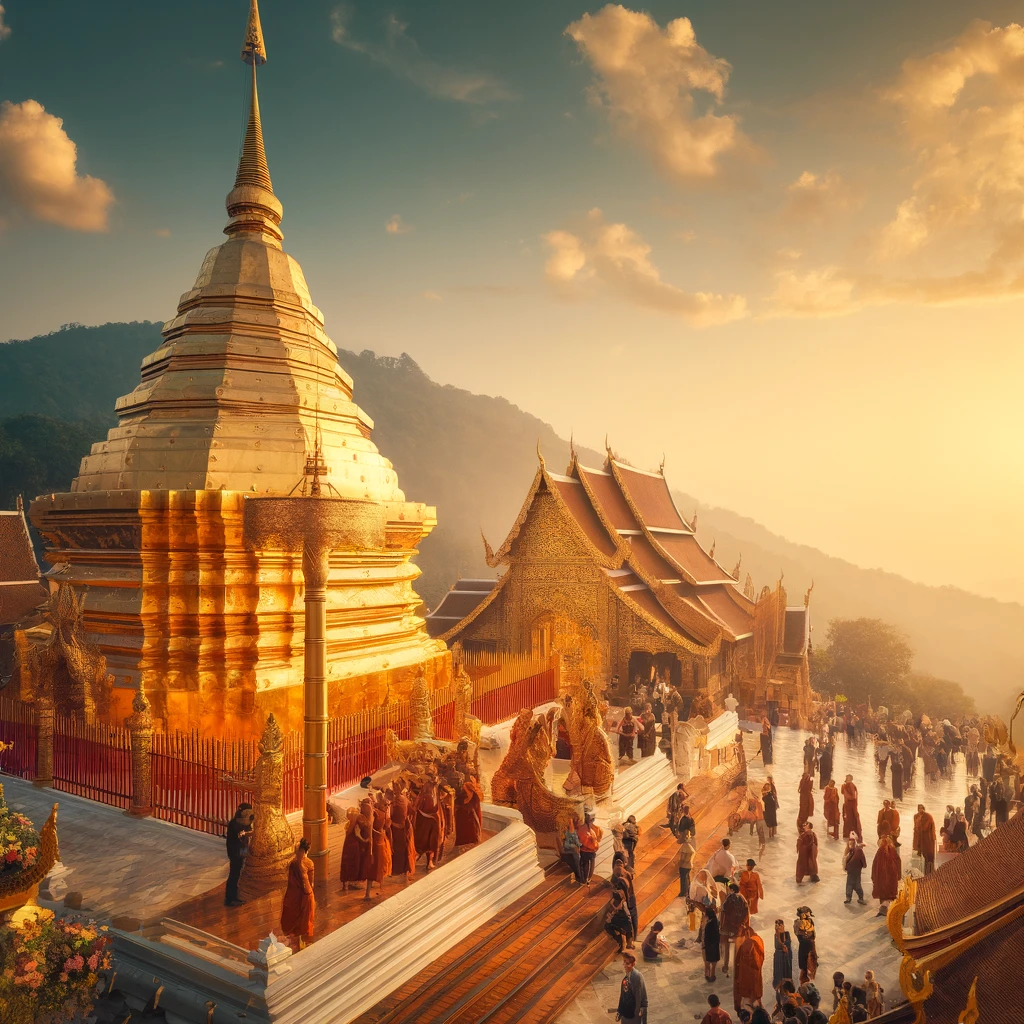
    Chiang Mai's Doi Suthep Temple, an iconic and serene Buddhist temple located on a mountain, with visitors and monks, clear day

    Explore Chiang Mai

    Chiang Mai, the spiritual capital of Thailand, is enveloped by mountains and lush countryside. It’s a city where tradition is alive, evident in its over 300 Buddhist temples. The Old City is a historical treasure, while the night bazaars are a shopper’s paradise.

    Temples and Traditions

    Visiting the temples, such as Wat Phra That Doi Suthep, provides insight into the city’s spiritual and architectural heritage. The temple’s setting on a mountain offers panoramic views of Chiang Mai.

    Culinary Adventures

    Chiang Mai is also known for its unique cuisine. Khao soi, a creamy coconut curry noodle soup, is a must-try. Cooking classes are widely available for those interested in learning the art of Thai cooking.


    Island Hopping

    Thailand’s islands are a paradise for beach lovers. Phuket, the largest island, is known for its vibrant nightlife and beautiful beaches. Koh Phi Phi is a haven for snorkelers and divers, with crystal clear waters and abundant marine life.

    Pristine Beaches

    Each island boasts its unique charm, from Koh Samui’s luxury resorts to Koh Tao’s diving spots. The white sandy beaches, turquoise waters, and lush palm trees offer a perfect tropical getaway.

    Water Activities

    Beyond lounging on the beach, the islands offer a plethora of water activities. Snorkeling, diving, kayaking, and sailing are just a few ways to explore the stunning marine environments.


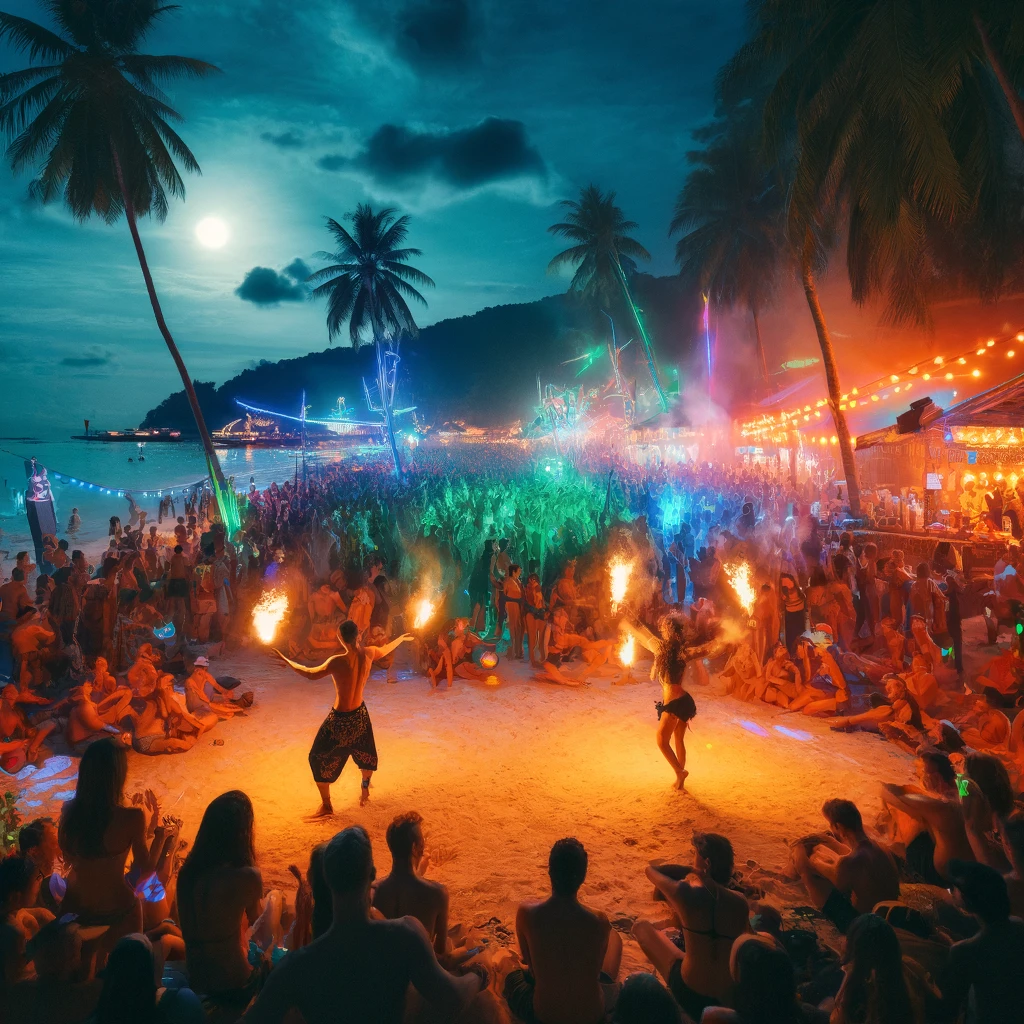
    Attend a Full Moon Party

    Koh Phangan’s Full Moon Party is legendary, attracting party-goers from around the world. The beach transforms into a dance floor under the moonlight, with DJs spinning beats till dawn.

    Experience the Energy

    The party is not just about music; it’s an experience. Fire dancers, neon paint, and a communal vibe make it a unique celebration of life and youth.


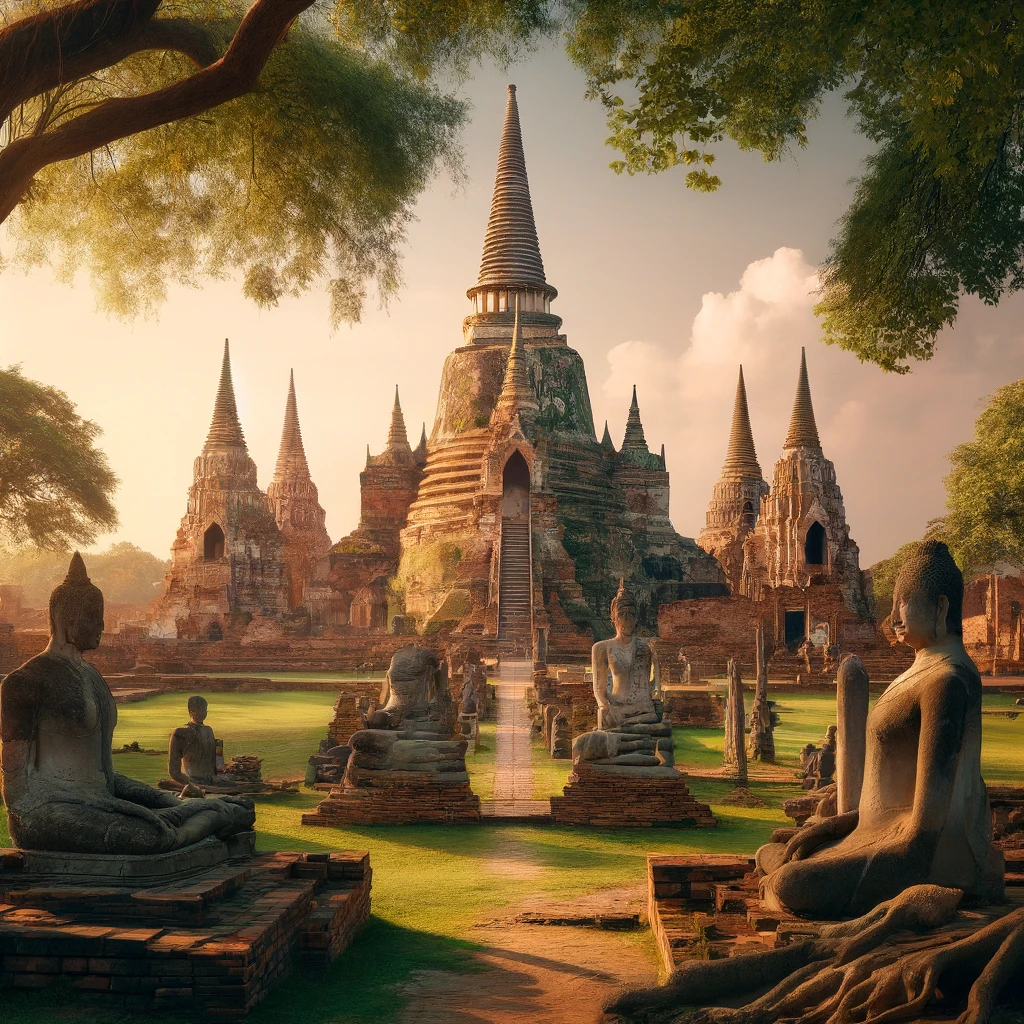
    Ruins of Ayutthaya Historical Park, Thailand, showing ancient temples and statues in a lush green setting, sunny day

    Visit Historical Ayutthaya

    Once the capital of the Kingdom of Siam, Ayutthaya is now a fascinating archaeological site. The ruins, many of which are UNESCO World Heritage-listed, offer a glimpse into Thailand’s glorious past.

    Explore the Ruins

    Temples, palaces, and statues lie in a scenic setting, inviting exploration. The historical park is vast, and each site tells a story of a bygone era.


    Discover Thai Cuisine

    Thai cuisine is a delightful blend of flavours and techniques. Street food tours in cities like Bangkok and Chiang Mai offer an authentic taste of local dishes.

    Culinary Tours

    Joining a cooking class or a food tour can provide insights into the ingredients and methods that make Thai food uniquely delicious. From spicy curries to sweet mango sticky rice, the culinary landscape is vast and varied.


    Outdoor adventure activities in Thailand, showing a person zip-lining through a lush tropical forest, exhilarating and scenic

    Enjoy Outdoor Adventures

    Thailand’s diverse landscapes offer a playground for adventure enthusiasts. Trekking in the northern hills, rock climbing in Krabi, or diving in the Andaman Sea are just a few options.

    Adventure Awaits

    Whether it’s exploring the jungle on an elephant’s back or ziplining through the canopy, Thailand offers a range of outdoor activities that cater to thrill-seekers and nature lovers alike.


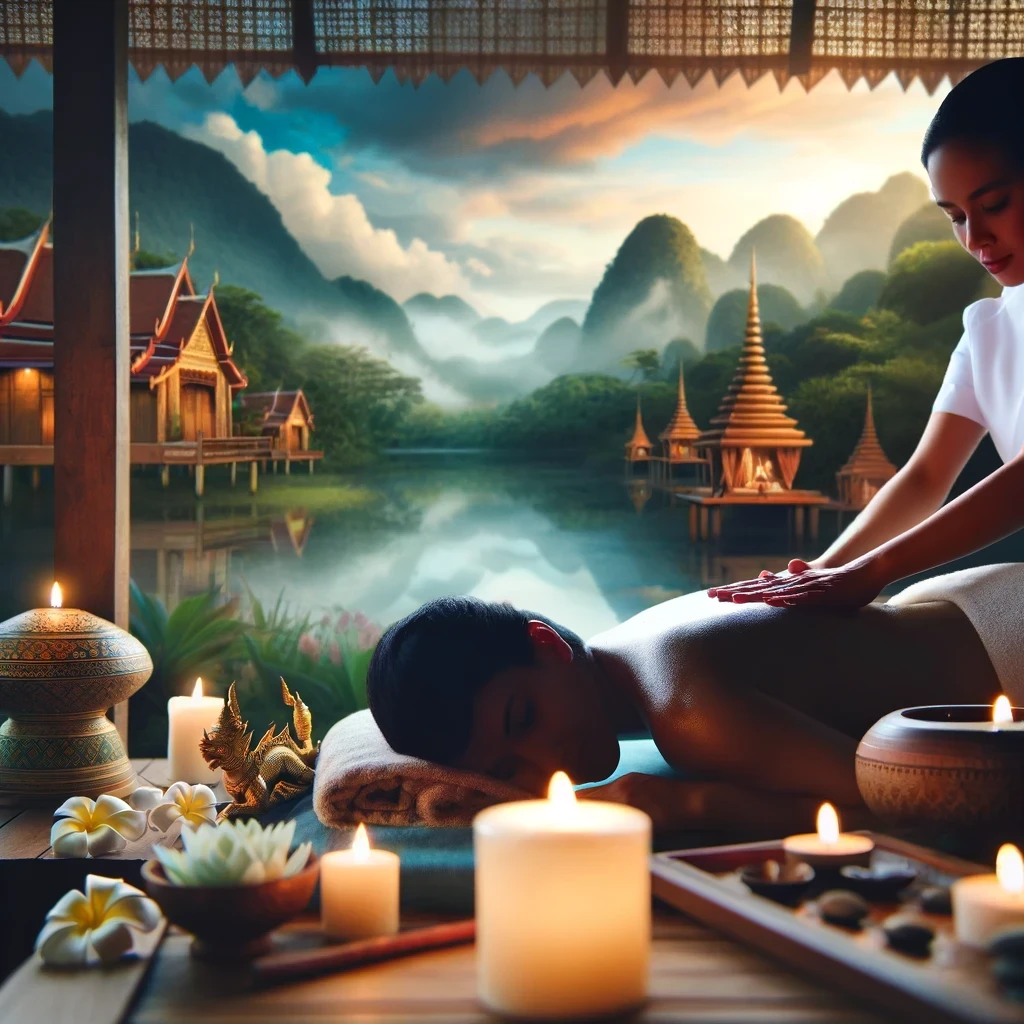
    Traditional Thai massage in a serene spa setting, showing a female therapist facing the camera while performing a massage on a female client, relaxing

    Relax with Thai Massage

    Thai massage is a therapeutic practice that combines stretching, pressure, and massage to balance the body’s energy. It’s a rejuvenating experience that can be found throughout the country.

    Spa and Wellness

    Many resorts and spas offer traditional Thai massages, providing a perfect way to unwind after a day of exploration.


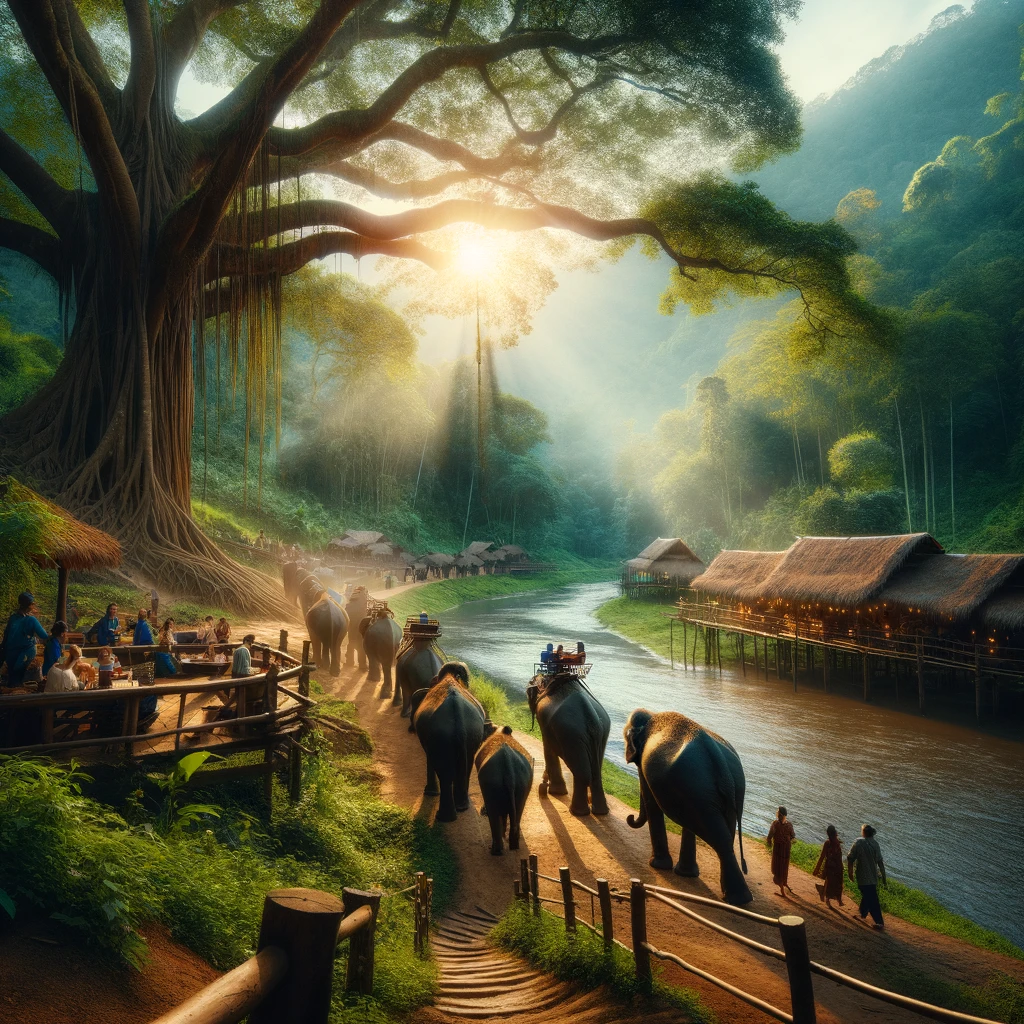
    Ethical elephant sanctuary in Thailand, showing a serene environment where tourists interact respectfully with elephants, lush green setting

    Ethical Elephant Encounters

    Thailand is home to several ethical elephant sanctuaries where visitors can interact with elephants in a respectful and humane manner.

    Responsible Tourism

    These sanctuaries focus on the well-being of the elephants, offering a chance to learn about conservation efforts and the animals’ natural behaviours.


    Koh Phangan's Full Moon Party, vibrant beach scene at night with people dancing, neon lights, and fire dancers, festive atmosphere

    Cultural Festivals

    Participating in festivals like Songkran or Loy Krathong offers a deep dive into Thai culture. These festivals are celebrated with enthusiasm and provide a glimpse into the country’s traditions and beliefs.

    Immersive Experiences

    Whether it’s engaging in water fights during Songkran or releasing a krathong during Loy Krathong, these festivals offer unforgettable experiences that connect travelers with local customs.


    Frequently Asked Questions (FAQ)


    Q: When is the best time to visit Thailand?
    A: The best time to visit is during the cool and dry season from November to early April.

    Q: Do I need a visa to visit Thailand?
    A: It depends on your nationality. Many countries benefit from visa exemption for short stays, but always check the latest visa requirements before your trip.

    Q: Is Thailand safe for tourists?
    A: Yes, Thailand is very safe for tourists and safer than most ‘western’ countries like the US, Australia, the UK and most of Europe in terms of crime.  However, as with any travel destination, it’s important to exercise common sense and stay aware of your surroundings. Be careful crossing streets and I recommend not renting scooters in the busy areas like Patong, Pattaya or Bangkok.  Especially if you dont have riding experience.

    Q: What should I pack for a trip to Thailand?
    A: Lightweight, breathable clothing, a good pair of walking shoes, sunscreen, and insect repellent are essentials. Also, pack modest attire for temple visits.

    Q: Can I drink tap water in Thailand?
    A: It’s not recommended to drink tap water in Thailand. Bottled water is widely available and inexpensive.

    Q: What is the currency in Thailand?
    A: The Thai Baht (THB) is the currency of Thailand. ATMs are widely available, and credit cards are accepted in most urban areas and resorts.

    This comprehensive guide offers a glimpse into the rich tapestry of experiences available in Thailand. Whether immersed in the hustle and bustle of Bangkok, exploring ancient ruins, or relaxing on pristine beaches, Thailand offers a diverse array of activities that promise an unforgettable journey.