

The romper, a versatile and stylish one-piece outfit, has journeyed from its origins as children’s playwear to become a staple in modern fashion, gracing both casual outings and high-fashion runways. This transformation is a fascinating reflection of changing social norms, the evolution of fashion, and the romper’s unique blend of comfort and style. In this article, we will explore the history of the romper, tracing its path from a practical garment for children to a chic wardrobe essential for women.

Origins: The Early Days of the Romper
The romper made its debut in the early 20th century, around the 1900s, primarily as children’s playwear. Designed for practicality, rompers were loose-fitting garments that allowed children, especially toddlers, to move freely during play. The original rompers were simple, often made of cotton or other durable fabrics, and featured short sleeves and legs. They were easy to put on, comfortable to wear, and perfect for active play, making them popular among parents and caregivers.
The name “romper” itself comes from the verb “romp,” which means to play or move around exuberantly. This playful connotation was fitting, as the romper became synonymous with carefree childhood and outdoor fun. Early rompers were typically worn by boys, though they eventually became a unisex garment.
The 1920s and 1930s: Rompers for Women
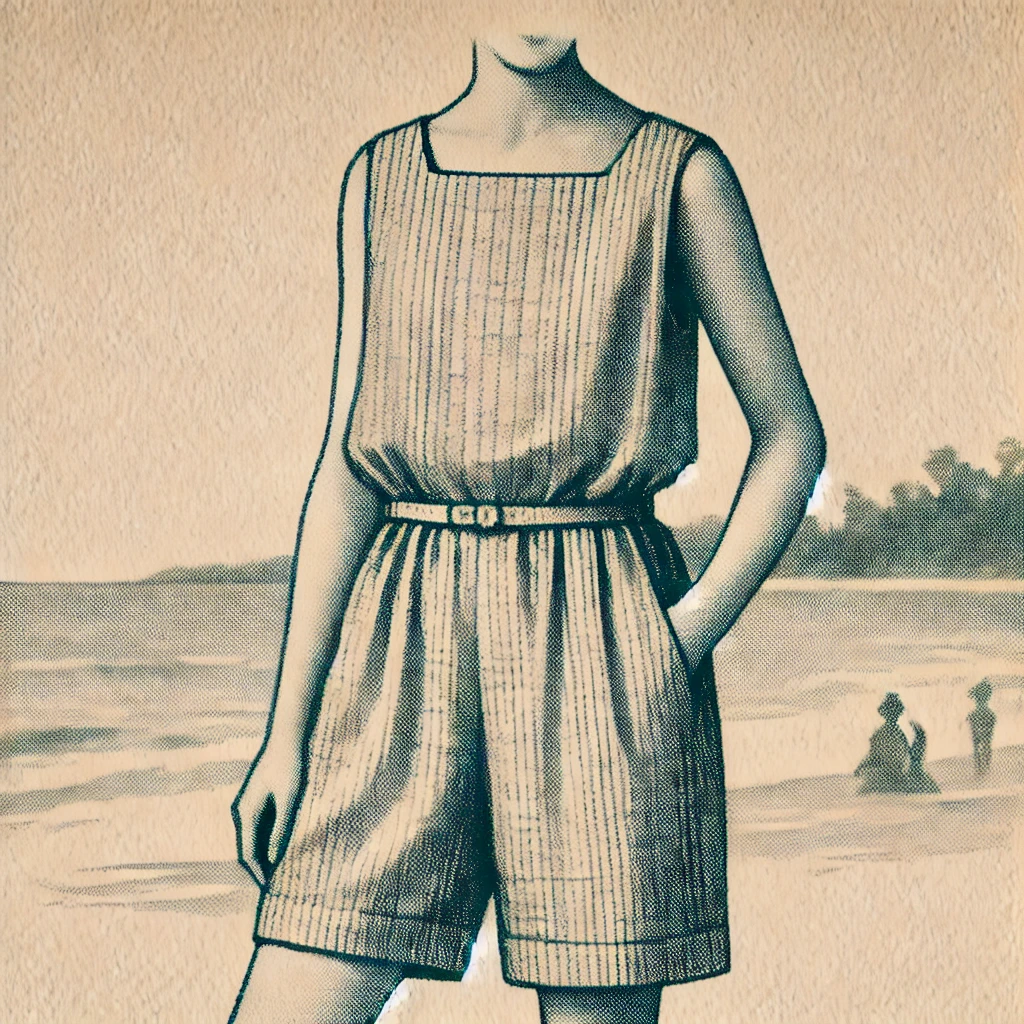
The romper began to enter women’s fashion in the 1920s and 1930s, a time when society was witnessing significant changes in gender roles and fashion. The women’s suffrage movement had empowered women, leading to more practical and comfortable clothing. During this period, the romper was reimagined as casual leisurewear for women, particularly for beach outings and sports.
Women’s rompers of this era were often made from lightweight fabrics like linen and featured more feminine cuts, including sleeveless designs and cinched waists. They were stylish yet practical, offering women a new sense of freedom and mobility that was in line with the flapper lifestyle of the Roaring Twenties. This period marked the romper’s first foray into adult fashion, setting the stage for its later evolution.

The 1940s to 1960s: From Utility to Fashion
During World War II, practicality became the hallmark of fashion, and the romper adapted to meet the needs of the time. In the 1940s, utility rompers were introduced for women working in factories and other war-related jobs. These rompers were functional, often made from durable materials like denim, and featured practical elements like pockets and zippers. The romper’s association with women’s labor during the war years highlighted its versatility and functionality.
The post-war years saw a return to more feminine fashion, and the romper continued to evolve. In the 1950s, the romper became popular as summer casual wear, often featured in playful prints and bright colors. This decade also saw the introduction of romper-style swimsuits, which became a hit in beachwear fashion. Rompers were now firmly established as a fun and fashionable choice for women, particularly in the warmer months.
The 1960s brought with it a wave of youth culture and the rise of the “mod” fashion movement, which embraced bold colors, geometric patterns, and short hemlines. The romper fit perfectly into this aesthetic, becoming a favorite among young women who wanted to express their individuality and embrace the new era of fashion freedom.

The 1970s and 1980s: Rompers Go Retro and Disco
The 1970s saw a resurgence of romper popularity, this time influenced by the retro trends of the decade. Rompers during this period often featured bold patterns, including paisley and floral prints, and were made from fabrics like polyester and satin. They became a popular choice for casual and evening wear, reflecting the eclectic and experimental nature of 1970s fashion.
The disco era of the late 1970s and early 1980s brought rompers to the dance floor. Disco rompers were flashy, often made from metallic fabrics, and designed to catch the light as the wearer moved. They were a favorite for nights out at the disco, where fashion was all about making a statement. The romper’s versatility was on full display during this time, as it could be dressed up or down depending on the occasion.
The 1990s: A Brief Decline
The 1990s were a time of minimalism in fashion, and the romper experienced a brief decline in popularity. The grunge and minimalistic trends of the decade favored simple, understated clothing, and the romper, with its playful and sometimes extravagant designs, did not fit neatly into this aesthetic. However, the romper was not entirely forgotten, and it continued to appear in children’s fashion and as a niche item for those who sought to stand out from the mainstream.

The 2000s to Present: The Romper’s Fashion Renaissance
The 2000s marked the beginning of a fashion renaissance for the romper. As fashion trends became more eclectic and inclusive, the romper made a strong comeback. Designers began to experiment with new fabrics, cuts, and styles, reimagining the romper for the modern woman. The versatility of the romper allowed it to be adapted for a wide range of occasions, from casual daywear to glamorous evening attire.
The romper’s resurgence in the 2000s was also driven by the rise of fast fashion and the increasing influence of social media. Fashion bloggers and influencers began to showcase rompers in their posts, demonstrating how this one-piece garment could be styled in various ways. The romper became a must-have item for festivals, vacations, and summer outings, celebrated for its comfort, ease of wear, and stylish appeal.
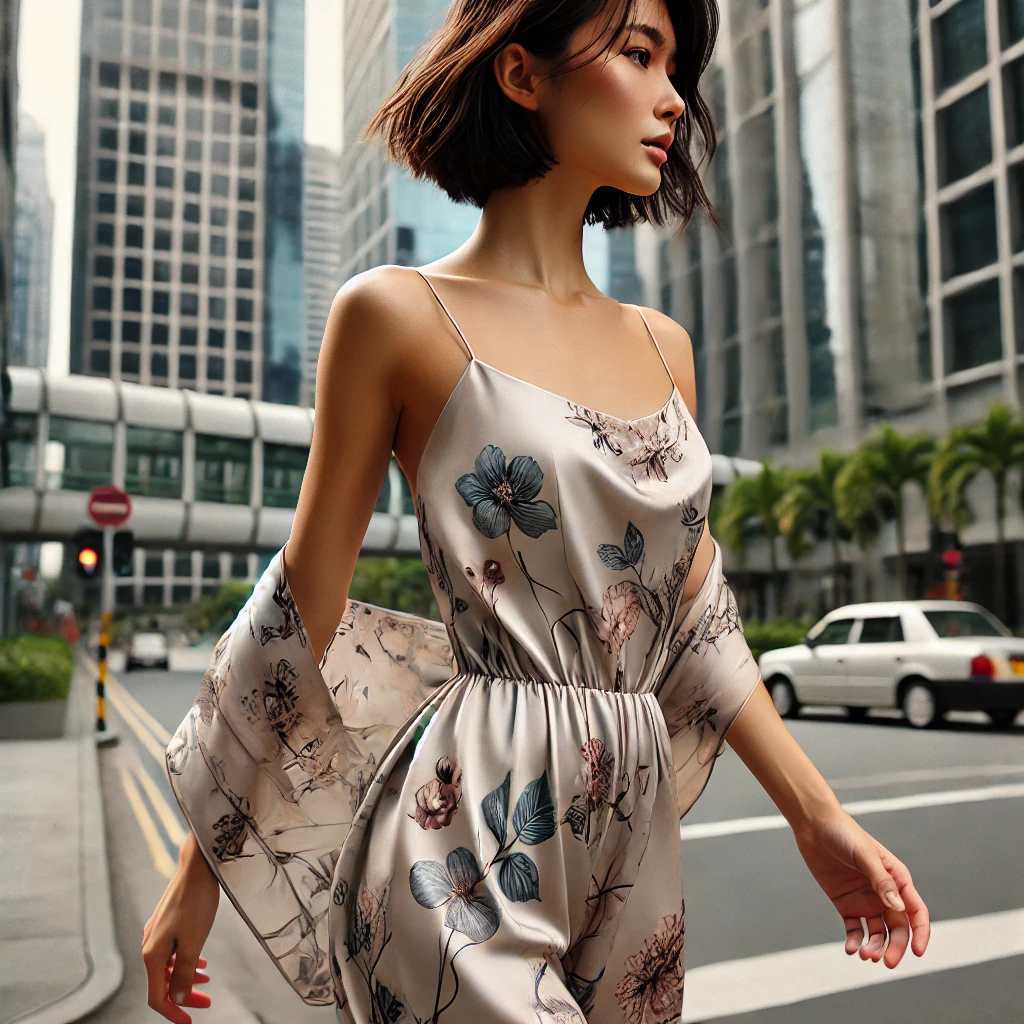
In recent years, the romper has even found its way onto the runway. High-end fashion designers have embraced the romper, incorporating it into their collections with luxurious fabrics like silk and velvet, intricate detailing, and bold prints. The romper’s journey from playtime to runway is a testament to its enduring appeal and adaptability.
Why the Romper Endures
The romper’s ability to endure and evolve over more than a century can be attributed to its unique combination of comfort, versatility, and style. As a one-piece garment, it offers the ease of a dress with the practicality of shorts, making it a go-to choice for many women. The romper’s playful origins continue to influence its design, keeping it fresh and relevant in an ever-changing fashion landscape.
Today, the romper is more than just a fashion statement; it’s a symbol of freedom, individuality, and the joy of dressing. Whether worn casually or dressed up for a night out, the romper has earned its place as a beloved wardrobe staple, celebrated for its ability to adapt to the times while remaining timeless.
As we look to the future, it’s clear that the romper will continue to inspire designers and fashion lovers alike. Its journey from a practical garment for children to a runway-worthy fashion piece is a story of innovation, creativity, and the enduring allure of playful, stylish clothing.

Leave a Reply