My Account

Category: Thailand

  • Blossoming Beauty: How Thailand’s Native Flowers Shape Modern Fashion

    Blossoming Beauty: How Thailand’s Native Flowers Shape Modern Fashion

    Thailand’s landscape is a vibrant tapestry of color, defined by its extraordinary flora. From the misty, temperate peaks of the North to the humid, sun-drenched tropical gardens of the South, the country is home to thousands of native flower species that have co-evolved with Thai culture for centuries. Beyond their obvious botanical beauty and ecological importance, these flowers have served as the ultimate muse for Thai fashion, jewelry, and textile design throughout history. In Thailand, a flower is rarely just a plant; it is a symbol, a story, and a spiritual anchor. Today, we explore the profound connection between the land and the loom, examining how the shapes, colors, and symbolism of these blossoms continue to bloom on modern international runways and in the quiet, focused traditional artisanal workshops of rural Thailand.

    The intersection of nature and fashion in Thailand is not a modern trend but a foundational element of the nation’s identity. Historically, the patterns on royal silks and the dyes used in village-woven cotton were directly inspired by the surrounding vegetation. This ‘botanical literacy’ remains strong today, as contemporary designers look backward to ancestral techniques to create forward-thinking, sustainable collections that resonate with a global audience seeking authenticity and ethical beauty.

    The Ratchaphruek: A Royal Inspiration in Gold

    The Ratchaphruek, or Golden Shower Tree (Cassia fistula), is the national flower of Thailand, and its influence on the Thai aesthetic cannot be overstated. When the tree blooms, its cascading clusters of bright yellow blossoms transform entire landscapes into shimmering vistas of gold. The name itself, ‘Ratchaphruek,’ combines the words for ‘royal’ and ‘tree,’ reflecting its deep association with the Thai monarchy, particularly the late King Rama IX, for whom yellow was the representational color.

    In the world of fashion, the Ratchaphruek’s golden hue has become a cornerstone of formal Thai attire. The color yellow in Thailand symbolizes prosperity, warmth, and the sun, qualities that are often woven into high-quality Thai silk through the use of intricate gold threads (Zari). Designers frequently use the tree’s unique ‘weeping’ silhouette as a structural reference. You will often see fluid, draped garments that mimic the way the Ratchaphruek blossoms hang in heavy, elegant bundles, bringing a sense of natural majesty to the wearer.

    Furthermore, the Ratchaphruek has inspired a movement toward organic dyeing. The bark and flowers of the tree can be used to create soft, earthy yellows and tans, providing a sustainable alternative to harsh chemical dyes. This connection to the land ensures that the garment not only looks like the national flower but is actually part of it, creating a full-circle narrative of environmental and cultural respect.

    Close-up of hand-embroidered lotus motifs on shimmering Thai silk

    The Sacred Lotus: Purity in Every Stitch

    No flower holds more spiritual or cultural significance in Thailand than the Lotus (Bua). Growing from the murky mud of ponds and lakes to bloom perfectly clean and beautiful above the water’s surface, the lotus is the ultimate symbol of purity, enlightenment, and resilience in Buddhism, a metaphor that resonates deeply in the Thai psyche and, by extension, its fashion heritage. The lotus is not just a pattern; it is a philosophy of rising above adversity to reach one’s highest potential.

    The ‘Lai Bua’ (Lotus pattern) is one of the most recognizable motifs in traditional Thai textile design. Artisans in regions like Surin and Lamphun spend weeks, sometimes months, hand-weaving or embroidering lotus petals onto the borders of ‘Pha Sin’ (traditional sarongs) and ‘Chut Thai’ (formal costumes). Each petal is often rendered with extreme precision, using varying shades of pink, white, and purple to create a three-dimensional effect on the flat surface of the silk.

    In modern high fashion, the lotus has moved beyond two-dimensional patterns. Contemporary designers are now experimenting with ‘Lotus Silk’, a rare and incredibly labor-intensive fiber extracted from the stems of the lotus flower. This fabric is one of the most eco-friendly textiles in existence, requiring no chemicals or heavy machinery to produce. The resulting material is soft, breathable, and holds a spiritual weight that synthetic fabrics can never match. At BirdyBerry, while we focus on linen, we take inspiration from the lotus’s structural geometry, creating necklines and hemlines that echo the gentle, overlapping curves of a blooming bud.

    The Scent of Style: Jasmine, Orchids, and Frangipani

    While the Ratchaphruek and Lotus dominate the formal and spiritual spheres, the Orchid, Jasmine (Mali), and Frangipani (Leelawadee) define the everyday ‘tropical chic’ of Thailand. Thailand is the world’s leading exporter of orchids, and the flower’s exotic, rare beauty has long been associated with luxury. In fashion, the orchid’s vibrant purples and fuchsias are frequently used in bold print designs, especially for resort wear and beachwear. The intricate, almost alien shapes of the orchid provide endless inspiration for avant-garde accessory designers who create sculptural jewelry that mimics the flower’s delicate anatomy, creating sculptural jewelry that mimics the flower’s delicate anatomy.

    Jasmine, on the other hand, is the symbol of Mother’s Day in Thailand and represents pure love and virtue. Its influence is most visible in the ‘Malai’, the traditional Thai flower garland. While these are often made of fresh blossoms, their design has influenced modern accessory trends, we see delicate Jasmine-shaped beads, white lace overlays, and pearl embellishments that aim to capture the flower’s miniature, perfect form. Wearing jasmine-inspired elements often brings a sense of traditional grace and softness to a modern outfit.

    The Frangipani, with its iconic five-petal shape and intoxicating scent, is a staple of Thai temple gardens and island life, its influence on fashion is primarily seen in graphic prints and the ‘slow fashion’ movement. Because frangipanis are so abundant, they are often used by local artisans in botanical printing, where the actual flowers are pressed into fabric to transfer their natural pigments and shapes. This technique creates one-of-a-kind garments that are a literal impression of the Thai landscape.

    The Artisan’s Role: Translating Nature to Fabric

    The translation of Thailand’s flora into fashion is a collaborative effort between the land and the loom, facilitated by the country’s dedicated artisans. These craftsmen and women are the gatekeepers of traditional knowledge, knowing exactly which flower, bark, or leaf will produce a specific, lightfast color. For instance, the deep reds often seen in Thai textiles can be derived from the heartwood of the sappanwood tree, while the vibrant blues come from the fermented leaves of the indigo plant.

    This process of natural dyeing is inherently tied to the seasons and the blooming cycles of native flowers. It requires a level of patience that is entirely absent in the world of fast fashion. At BirdyBerry, we take great pride in supporting these traditional methods. We believe that by using eco-friendly materials like linen, which is itself a plant-based fiber, we provide the perfect, honest canvas for these nature-inspired colors and motifs. When you wear a garment that has been dyed with plants or embroidered with floral patterns, you are carrying a piece of the Thai ecosystem with you. It is a way of staying connected to the natural world in an increasingly digital and synthetic age.

    A Sustainable Legacy: The Future of Floral Fashion

    As the global fashion industry grapples with its environmental impact, Thailand’s floral-inspired heritage offers a roadmap for a more sustainable future. The shift toward ‘Bio-based’ fashion is gaining momentum, and Thai designers are at the forefront, exploring how native plants can provide not just inspiration, but the actual raw materials for our clothes. From pineapple fiber leather to lotus stem silk, the possibilities are as vast as the Thai jungle itself.

    By protecting Thailand’s native flora, we are not just preserving biodiversity; we are also protecting the rich cultural heritage and the future of Thai fashion. At BirdyBerry, our commitment to eco-friendly production and our lifetime guarantee on workmanship are extensions of this respect for nature. We design our pieces to last as long as the perennial blooms that inspire them, ensuring that your style remains as timeless as a Ratchaphruek in spring.

    In conclusion, the native flowers of Thailand are far more than mere decoration. They are the threads that connect the past to the present, the spiritual to the material, and the artisan to the wearer. As we continue to draw inspiration from the Blossoming Beauty of our land, we invite you to choose fashion that celebrates this connection, fashion that is grown, not just manufactured.

  • Traditional Thai Attire: Incorporating Local Fashion into Your Vacation Wardrobe

    Traditional Thai Attire: Incorporating Local Fashion into Your Vacation Wardrobe

    A stylish tourist in Thailand wearing a modern blouse paired with a traditional silk sarong, walking through a scenic street. She is accessorizedIntroduction

    Traveling to Thailand offers a unique opportunity to immerse yourself into its rich culture, and one of the best ways to do this is through traditional Thai attire. Incorporating local fashion into your vacation wardrobe not only enhances your travel experience but also shows respect for the local customs.

    Key Elements of Traditional Thai Attire

    1. A detailed illustration of traditional Thai attire, featuring a woman wearing a fitted blouse paired with a silk pha sin (tube skirt)Chut Thai

      • The traditional attire for women includes a fitted blouse paired with a “pha nung” (a wrap-around skirt) or a “pha sin” (a tube skirt), often made from silk.
      • Men typically wear a “chong kraben,” a piece of cloth wrapped around the waist and pulled between the legs, paired with a shirt.
    1. A tourist in Thailand wearing traditional Thai attire, incorporating elements such as a silk sarong, a patterned blouse, and traditional accessoriesSilk Sarongs

      • Silk sarongs are a staple in Thai fashion, known for their vibrant colors and intricate patterns.
      • These can be worn as skirts, wraps, or even dresses, making them versatile additions to your wardrobe.
    2. Fashion-conscious tourist in Thailand layering traditional Thai pieces with modern clothing. She wears a Thai jacket over a simple dress and accessoriesTraditional Blouses and Jackets

      • Women’s blouses often feature delicate embroidery and are made from lightweight fabrics perfect for the tropical climate.
      • Traditional jackets can be worn for a more formal look, often adorned with elaborate designs.
    3. Vibrant market scene in Thailand, showing tourists shopping for traditional Thai attire. Stalls are filled with colorful silk sarongsThai Silk Scarves

      • Scarves made from Thai silk are not only stylish but also functional, protecting you from the sun and adding a touch of elegance to any outfit.
    4. Accessories

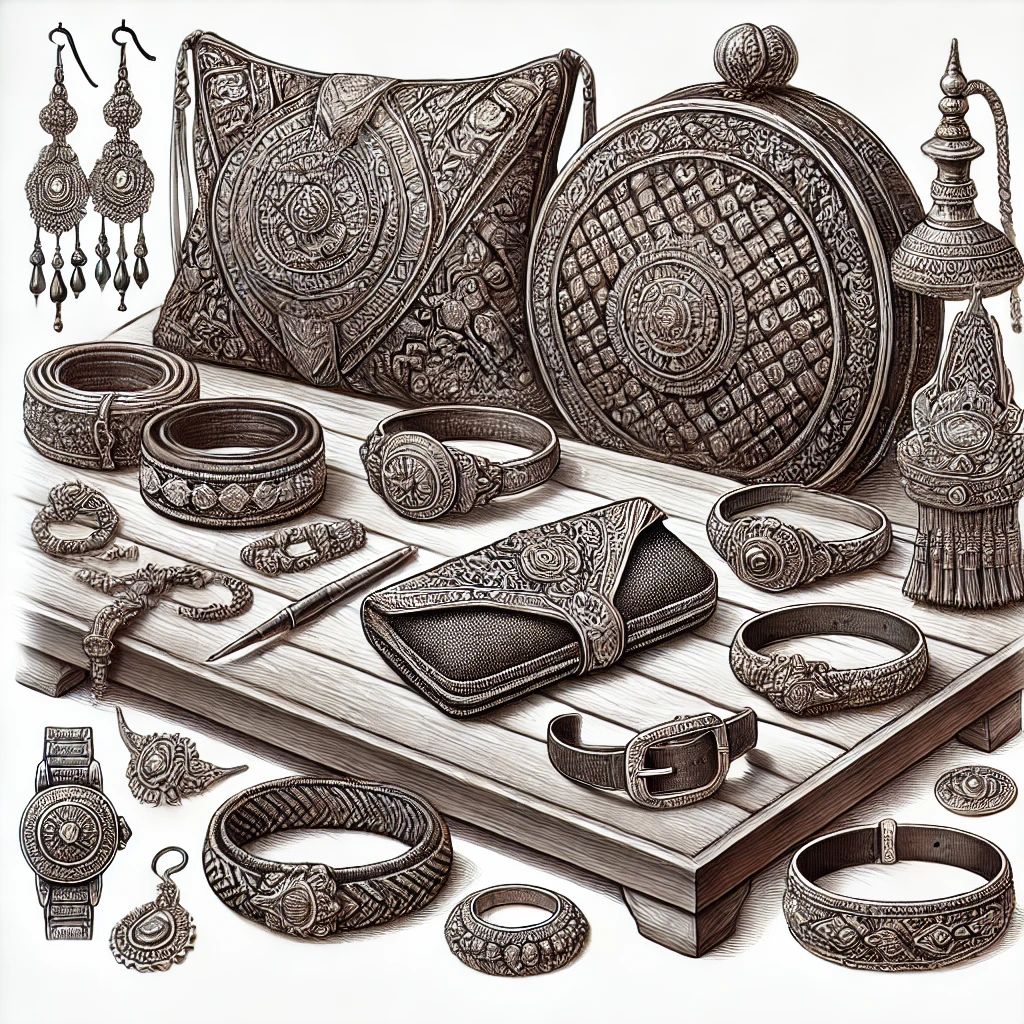
      • Complete your look with traditional accessories such as silver jewelry, handcrafted belts, and embroidered bags.


    Where to Find Traditional Thai Attire

    Local Markets Local markets are treasure troves for traditional Thai attire. Markets like Chatuchak in Bangkok and the Night Bazaar in Chiang Mai offer a wide variety of authentic pieces. These markets are vibrant and bustling, providing an immersive shopping experience. You can find everything from silk sarongs to handcrafted jewelry, often at reasonable prices.

    Specialized Boutiques For those seeking high-quality traditional attire, specialized boutiques are the way to go. These boutiques often work closely with local artisans, ensuring that each piece is crafted with care and attention to detail. Boutiques in cities like Bangkok and Chiang Mai are renowned for their exquisite collections of traditional Thai clothing. Some well-known boutiques include:

    • Jim Thompson House: Famous for its high-quality Thai silk products.
    • Queen Thai Silk: Known for a wide range of silk garments and accessories.
    • Thai Tribal Crafts: Offers handmade clothing and accessories by local tribes.

    Artisan Workshops Visiting artisan workshops provides a unique opportunity to see how traditional Thai garments are made. Many workshops welcome visitors and offer the chance to purchase items directly from the artisans. This not only ensures authenticity but also supports local craftsmen. In places like Chiang Mai and the northern provinces, you can find workshops specializing in handwoven textiles and traditional embroidery.

    Online Stores For those who prefer shopping from the comfort of their home, many online stores offer traditional Thai attire. Websites like Etsy and local Thai e-commerce platforms feature a variety of handcrafted items from Thai artisans. Shopping online allows you to explore a wide range of products and have them delivered directly to your doorstep.


    How to Incorporate Thai Fashion into Your Wardrobe

    1. Mix and Match

      • Pair a traditional silk sarong with a modern blouse for a chic, contemporary look.
      • Use Thai silk scarves as headwraps, belts, or even sarongs to add a pop of color and elegance to your outfits.
    1. Layering

      • Layer traditional pieces with your everyday clothing to create unique and stylish combinations. A Thai jacket can be worn over a simple dress or jeans.
    2. A detailed illustration of traditional Thai accessories, including silver jewelry, handcrafted belts, and embroidered bags. The setting includes a wooAccessorize

      • Enhance your outfits with traditional accessories like silver jewelry or an embroidered bag, adding an authentic touch to your style.

    Benefits of Wearing Traditional Thai Attire

    1. Cultural Appreciation

      • Wearing traditional attire shows respect for Thai culture and allows you to experience the country more authentically.
    2. Comfort

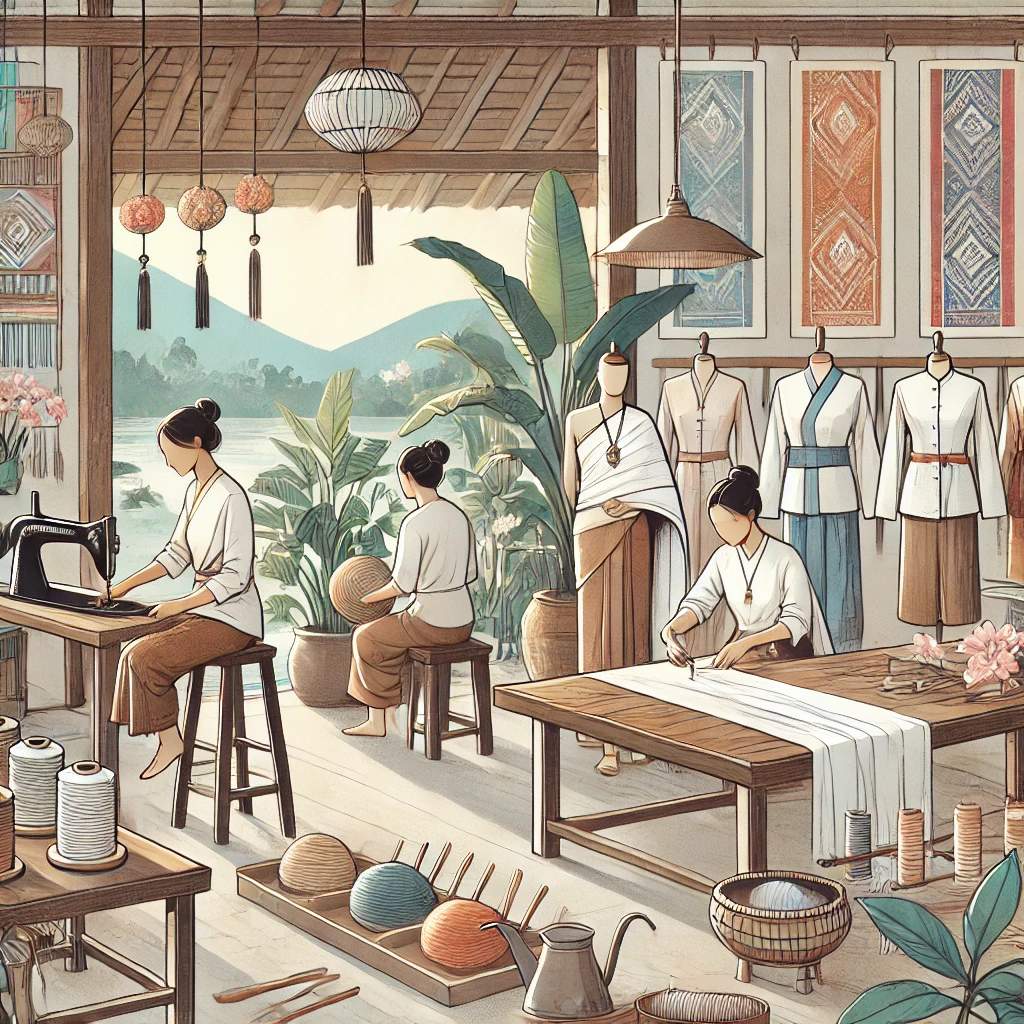
    3. Illustration showcasing sustainable fashion practices in Thailand. The image features artisans crafting traditional Thai garments using sustainable fabricsSustainability

      • Many traditional garments are handcrafted using sustainable methods, making them an eco-friendly choice.

    Conclusion

    Incorporating traditional Thai attire into your vacation wardrobe is a wonderful way to immerse yourself in the local culture and add a unique touch to your travel experience. From elegant silk sarongs to intricate accessories, these pieces not only enhance your style but also reflect Thailand’s rich cultural heritage. Embrace the opportunity to wear traditional Thai clothing and make your trip to Thailand even more memorable.

    By blending traditional and modern elements, you can create a unique and stylish vacation wardrobe that honors Thai culture while staying true to your personal fashion sense.


    Frequently Asked Questions


    1. What is traditional Thai attire? Traditional Thai attire, known as “Chut Thai,” includes garments like silk sarongs, fitted blouses, and for men, the “chong kraben.” These outfits often feature intricate patterns and are made from natural fabrics like silk and cotton.

    2. Where can I buy traditional Thai clothing in Thailand? You can purchase traditional Thai clothing at local markets such as Chatuchak in Bangkok and the Night Bazaar in Chiang Mai, specialized boutiques, artisan workshops, and online stores.

    3. How can I incorporate traditional Thai fashion into my modern wardrobe? You can mix and match traditional pieces with modern clothing, layer traditional jackets over contemporary outfits, and accessorize with items like Thai silk scarves and silver jewelry.

    4. Are traditional Thai garments comfortable to wear? Yes, traditional Thai garments are made from breathable fabrics like silk and cotton, making them comfortable for Thailand’s tropical climate.

    5. How do I care for traditional Thai clothing? Care instructions vary, but generally, it’s best to hand wash silk items in cold water and avoid direct sunlight when drying. Always check specific care labels.

    6. Why should I wear traditional Thai attire during my visit to Thailand? Wearing traditional Thai attire shows respect for the local culture and enhances your travel experience by allowing you to immerse yourself more fully in the cultural heritage of Thailand.

    7. Is traditional Thai clothing sustainable? Many traditional Thai garments are handcrafted using sustainable methods and natural fibers, making them an eco-friendly fashion choice.

    8. Can I find traditional Thai clothing in modern styles? Yes, many contemporary designers incorporate traditional elements into modern styles, offering a blend of old and new that is both stylish and culturally respectful.

    9. What accessories go well with traditional Thai attire? Accessories such as silver jewelry, handcrafted belts, and embroidered bags complement traditional Thai attire beautifully, adding an authentic touch to your outfits.

    10. Are there any specific occasions where I should wear traditional Thai attire? Traditional Thai attire is suitable for cultural events, temple visits, and any occasion where you want to show appreciation for Thai culture.

  • What to do in Phuket

    What to do in Phuket

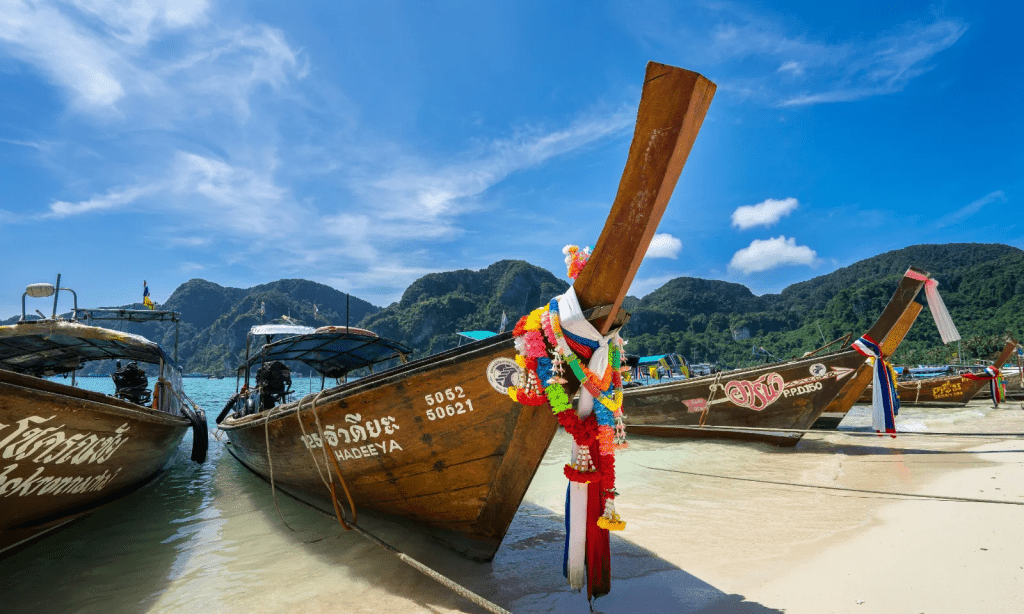
    Thailand long tail boat on beach

    Embarking on a journey to Phuket is like opening a treasure chest of experiences, each more vibrant and enticing than the last. This tropical paradise, nestled in the Andaman Sea, is a mosaic of picturesque beaches, each strand of sand telling its own tale. From the electric pulse of Patong Beach, where the dance of the waves matches the rhythm of nightlife, to the hushed whispers of Kata and Karon, where tranquillity bathes the shores in golden light, Phuket’s beaches are a testament to nature’s versatility.


    1. Beaches in Phuket: Phuket’s beaches are its crown jewels, each offering a unique experience. Patong Beach buzzes with energy, offering water sports, beach clubs, and vibrant nightlife. For those seeking tranquillity, Kata and Karon provide serene landscapes with soft sands and crystal-clear waters. Adventurous souls can explore the lesser-known beaches like Banana Beach for snorkelling and relaxation. Each beach has its own character, whether it’s the party vibe of Patong or the laid-back atmosphere of Kamala. Indulge in local cuisine at beachside restaurants, enjoy the sunset, or simply relax under the Thai sun. Phuket’s coastline is a playground for beach lovers, offering everything from bustling beach bars to secluded coves.
    2. Phang Nga Bay: Discover the ethereal beauty of Phang Nga Bay, a maritime wonderland characterized by emerald waters and towering limestone karsts. A boat trip here isn’t just a journey; it’s an immersion into a natural gallery of awe-inspiring formations. Visit James Bond Island, famed for its needle-like rock featured in ‘The Man with the Golden Gun.’ Kayak through hidden lagoons and silent caves, each turn revealing a new natural masterpiece. The bay’s tranquillity is a stark contrast to Phuket’s lively beaches, offering a peaceful retreat into nature. Whether you’re snapping photos, swimming in secluded spots, or simply basking in the majesty of the landscapes, Phang Nga Bay promises an unforgettable experience.
    3. Old Phuket Town: Step into the past in Old Phuket Town, a historical treasure trove where Sino-Portuguese architecture paints a picture of a bygone era. Wander through narrow streets lined with colourful shophouses, quaint cafes, and art galleries. The town’s rich history is showcased in its well-preserved buildings, each telling a story of cultural fusion. Visit the Thai Hua Museum to delve into the island’s history or explore the local markets offering an array of Thai delicacies and crafts. Old Phuket Town is not just a place; it’s a journey back in time, offering a glimpse into the island’s diverse cultural heritage. Whether you’re a history buff, a foodie, or a casual explorer, the town’s charming streets and warm locals will captivate you.
    4. Big Buddha: The Big Buddha of Phuket is not just a statue; it’s a symbol of peace, towering over the island with a serene gaze. Located atop Nakkerd Hill, this imposing figure can be seen from afar, inviting visitors to explore its grandeur up close. The site offers panoramic views of Phuket, stretching from the sparkling Andaman Sea to the rolling hills. The journey to the Big Buddha is as memorable as the destination, with the winding road offering glimpses of the island’s diverse landscape. Once there, the tranquil atmosphere, punctuated by the sound of temple bells and chanting, provides a spiritual retreat. It’s a place for reflection, offering insights into Buddhist philosophy and a chance to experience the island’s spiritual side.
    5. Wat Chalong: Wat Chalong is a beacon of spirituality and one of Phuket’s most revered Buddhist temples. It’s not just a place of worship but a compound rich in history and art. The temple’s grounds are home to several buildings, each adorned with intricate details and steeped in symbolism. Visitors are welcomed by the sound of tinkling bells and the scent of incense, setting the stage for a journey into Thai spirituality. The Grand Pagoda, housing a splinter of Lord Buddha’s bone, is a highlight, its walls telling stories of the Buddha’s life through vibrant paintings. Wat Chalong is a sanctuary of peace, where locals and travellers alike come to seek blessings, meditate, or simply marvel at the beauty of Thai temple architecture.
    6. Island Hopping: Phuket serves as a gateway to some of Thailand’s most enchanting islands, offering a paradise for explorers. Island hopping is more than a pastime; it’s an adventure that unveils the diverse beauty of the Andaman Sea. The Phi Phi Islands allure with their iconic cliffs and crystal-clear waters, while the Similan Islands are a haven for divers and snorkelers, boasting vibrant coral reefs. Each island has its own personality, from the party vibe of Phi Phi to the untouched natural beauty of the Similans. Spend your days swimming in turquoise waters, lounging on powdery sands, or exploring underwater worlds. Island hopping provides a snapshot of Thailand’s maritime splendour, offering a blend of relaxation, adventure, and breathtaking scenery.
    7. Thai Cooking Classes: Dive into the flavours of Thailand with a cooking class in Phuket, where culinary traditions are as rich as the island’s history. These classes are more than just lessons; they’re cultural immersions that introduce you to the art of Thai cuisine. Learn to balance the four essential Thai tastes: sweet, spicy, sour, and salty. From shopping at local markets for fresh ingredients to grinding your own curry pastes, each step is an experience in itself. Cook dishes like Tom Yum Goong, Pad Thai, or Green Curry, and take a piece of Thailand home with you. Whether you’re a seasoned chef or a culinary novice, Thai cooking classes offer a deliciously interactive way to connect with the island’s culture.
    8. Simon Cabaret Show: Experience the glitz and glamour of Phuket’s Simon Cabaret Show, a spectacle of music, dance, and dazzling costumes. This isn’t just a performance; it’s a celebration of diversity and artistry, showcasing some of Thailand’s most talented performers. The show transcends language barriers, captivating audiences with its universal appeal. From traditional Thai dances to Broadway numbers, the variety is as impressive as the performers’ skills. The vibrant costumes, elaborate sets, and dynamic lighting add to the magic, creating an unforgettable entertainment experience. Whether you’re enjoying a family outing or a night out with friends, the Simon Cabaret Show promises a night filled with laughter, applause, and awe.
    9. Phuket FantaSea Show: Embark on a mythical journey at Phuket FantaSea, a cultural theme park that blends entertainment with a glimpse into Thai heritage. The park’s highlight is its extravagant show, combining theatre, magic, and circus-like acts to narrate Thai legends. It’s a spectacle of color, light, and sound, featuring elephants, acrobats, and dazzling performances. Beyond the show, explore the theme park’s village, with its array of shops, games, and culinary delights. Phuket FantaSea is more than an attraction; it’s an experience that celebrates Thai culture in a fantastical, family-friendly environment. Whether you’re watching the spellbinding show, dining at the grand buffet, or exploring the theme park, FantaSea offers a night of wonder and excitement.
    10. Adventure Activities: Phuket’s natural landscape is a playground for adventure enthusiasts, offering a range of activities that thrill and awe. Zip-lining through dense jungles provides an adrenaline rush and a unique perspective on the island’s flora and fauna. ATV tours offer an off-road adventure, navigating rugged trails and exploring hidden corners of Phuket. For water enthusiasts, surfing, kiteboarding, and jet-skiing are popular, with the Andaman Sea serving as the perfect backdrop. Diving and snorkelling reveal an underwater world teeming with marine life, from vibrant coral reefs to majestic sea turtles. Whether you’re seeking high-octane thrills or serene encounters with nature, Phuket’s array of adventure activities caters to all tastes and skill levels.
    11. Spa and Wellness: Phuket is a sanctuary for those seeking relaxation and rejuvenation, with its myriad spa and wellness centres. Indulge in traditional Thai massages, herbal treatments, and holistic therapies designed to soothe the mind, body, and soul. Luxury spas offer serene environments where skilled therapists use age-old techniques and natural products to deliver blissful experiences. Yoga retreats and wellness workshops focus on mental and physical well-being, offering a chance to disconnect and find inner peace. Whether it’s a beachfront massage, a detoxifying spa treatment, or a calming yoga session, Phuket’s wellness offerings provide a perfect escape from the hustle and bustle, promoting health and harmony.
    12. Night Markets: Explore Phuket’s vibrant night markets, a sensory overload of sights, sounds, and smells. These bustling bazaars are not just shopping venues; they’re cultural experiences, offering a taste of local life. From the famous Phuket Weekend Market to the quirky Chillva Market, each one has its own character. Sample an array of Thai street food, from savoury snacks to sweet treats, each stall offering a culinary adventure. Shop for handmade crafts, clothing, and souvenirs, perfect for taking a piece of Phuket home with you. The markets are also a place to mingle with locals and travellers, providing a glimpse into the island’s diverse community. A visit to a Phuket night market is a must-do, offering fun, food, and a festive atmosphere.


    As the sun dips below the horizon, painting the Phuket sky in hues of fiery orange and tranquil blues, one cannot help but feel a sense of profound fulfilment. This island offers more than just a getaway; it’s a rich tapestry of experiences, brimming with opportunities for discovery, relaxation, and adventure. From the sun-kissed beaches that offer both revelry and repose to the enigmatic beauty of Phang Nga Bay, the cultural vibrance of Old Phuket Town, and the spiritual sanctuary of its temples, Phuket holds a promise—a promise of unforgettable memories. Whether you seek the thrill of island-hopping adventures, the delights of culinary mastery, the enchantment of dynamic shows, the rush of adrenaline-fueled activities, or the soothing touch of wellness treatments, Phuket stands unparalleled. As the marketplace lanterns glow, inviting you to wander through Phuket’s night bazaars, it’s clear that this island is not just a place you visit, it’s a world you experience. Phuket, with its myriad of wonders, is truly the heart of the Andaman—pulsating, alive, and beckoning you to return.

  • What is the Capital of Thailand : Exploring the Capital of Thailand

    What is the Capital of Thailand : Exploring the Capital of Thailand

    When one inquires about the capital of Thailand, the vibrant city of Bangkok emerges as the definitive answer. Known in Thai as “Krung Thep Maha Nakhon” or simply “Krung Thep,” which translates to “City of Angels,” Bangkok stands as the political, economic, and cultural heart of Thailand. This article delves into the multifaceted character of Bangkok, exploring its historical significance, cultural richness, and modern-day allure.

    Historical Background

    Bangkok’s ascendancy to the status of Thailand’s capital was officially established in 1782, under the reign of King Rama I, the founder of the Chakri Dynasty. The city was strategically chosen for its location along the Chao Phraya River, which facilitated trade and defence. Over the centuries, Bangkok has evolved from a modest trading post to a bustling metropolis, weaving together threads of tradition and modernity.

    Bangkok temple. Photo by Nick Wehrli
    Bangkok temple. Photo by Nick Wehrli

    Cultural Tapestry

    Bangkok is a treasure trove of cultural heritage, home to majestic temples, historic landmarks, and vibrant street life. The Grand Palace, with its intricate architecture and the sacred Wat Phra Kaew (Temple of the Emerald Buddha), stands as a symbol of Thai royalty and spirituality. Other notable temples, such as Wat Arun (Temple of Dawn) and Wat Pho, which houses the colossal Reclining Buddha, are testament to the city’s deep-rooted Buddhist traditions.

    Bangkok night market. Photo by Ahmet Çığşar
    Bangkok night market

    The city’s cultural landscape is also painted with bustling markets, like Chatuchak Weekend Market, one of the largest in the world, offering a kaleidoscope of goods, from antiques to fashion. Street food in Bangkok is an integral part of the experience, offering a gastronomic journey through flavours and dishes unique to Thai cuisine.

    Bangkok photo by Peng-liu
    Bangkok photo by Peng-liu

    Economic and Political Hub

    Bangkok is not only the cultural but also the economic powerhouse of Thailand. It is the centre of business, finance, and innovation, home to numerous multinational corporations, financial institutions, and start-ups. The city’s skyline, dotted with high-rises and skyscrapers, reflects its dynamic economic growth and development.

    Politically, Bangkok is the seat of Thailand’s government. The city houses all major governmental institutions, including the Grand Palace, which is not only a royal residence but also a site of significant political importance.

    Modern Challenges and Future Prospects

    Despite its allure, Bangkok faces its share of modern challenges, including urban congestion, environmental concerns, and socio-economic disparities. However, the city is continuously evolving, with initiatives aimed at sustainable development and enhancing the quality of life for its inhabitants.

    Looking ahead, Bangkok is poised to maintain its role as a central hub in Southeast Asia, driving forward with innovation while preserving its rich cultural heritage. The city’s ability to blend tradition with modernity makes it a fascinating subject of study and an enchanting destination for travellers from around the globe.

    Buddhist statue in Bangkok by ilya-batorshin
    Buddhist statue in Bangkok by ilya-batorshin

    In conclusion, Bangkok, the capital of Thailand, is a city of contrasts and confluences, where history meets modernity, and tradition coexists with innovation. It is a city that captures the essence of Thailand, making it an indispensable chapter in the story of this vibrant nation.

  • What To Do In Thailand

    What To Do In Thailand

    Thailand, often referred to as the “Land of Smiles,” is a vibrant country teeming with culture, natural beauty, adventure, and culinary delights. Whether you’re a history enthusiast, a beach lover, an adventure seeker, or a foodie, Thailand offers a diverse range of activities to suit every type of traveller. This article delves into what to do in Thailand, turning your trip into an unforgettable experience.

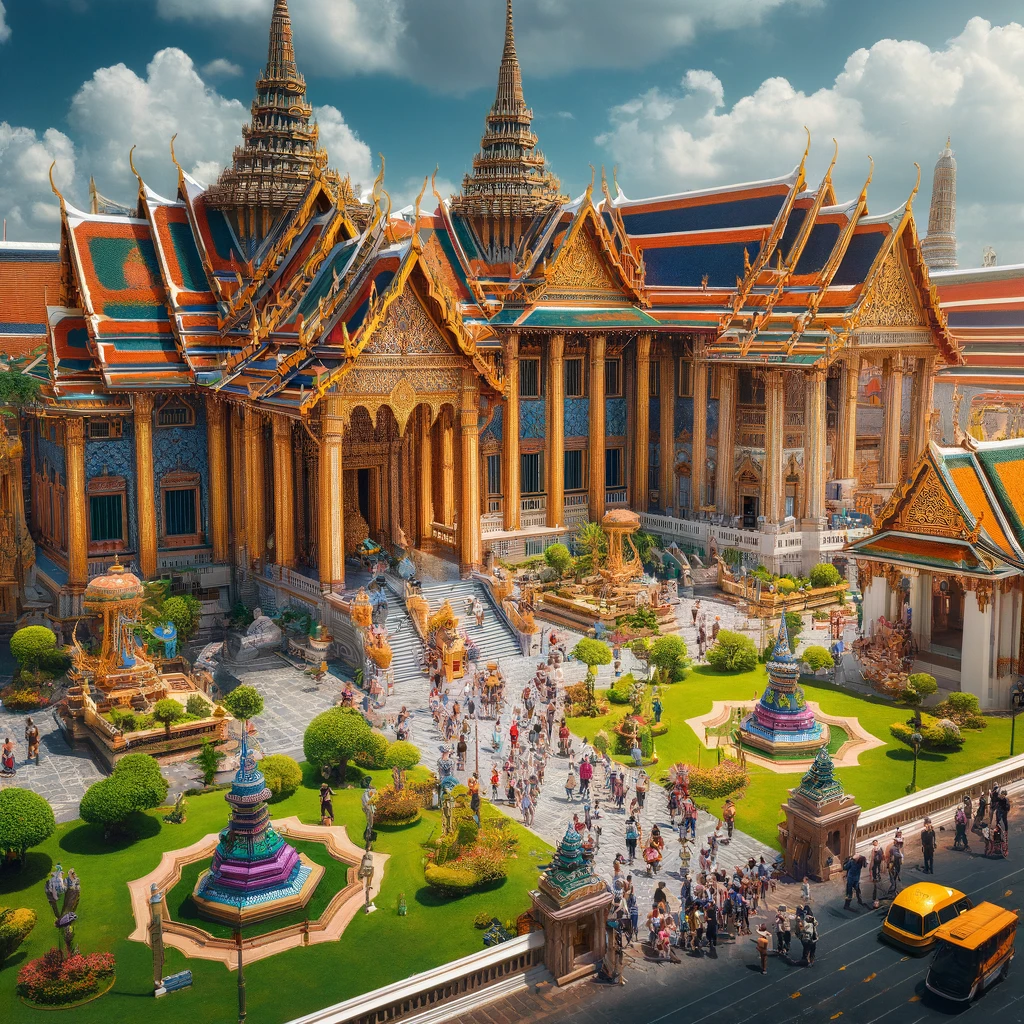
    Bangkok's Grand Palace, a stunning example of Thai architecture, vibrant and intricate, with tourists exploring the grounds, sunny day

    Visit Bangkok

    Bangkok, the pulsating heart of Thailand, is a city where the traditional and the modern coexist. The Grand Palace, with its intricate architecture, stands as a testament to the country’s rich history. Nearby, Wat Arun offers stunning views, especially at sunset. For a taste of local life, the Chatuchak Weekend Market offers everything from clothes to culinary treats.

    Explore the Streets

    Bangkok’s street life is an experience in itself. From street food vendors offering delectable local dishes to bustling markets selling a myriad of goods, the streets are where the city’s heart beats the strongest.

    Cultural Landmarks

    The city is dotted with numerous temples and cultural landmarks. Besides the Grand Palace and Wat Arun, Wat Pho and its reclining Buddha is a must-visit. The blend of history, spirituality, and artistry found in these sites offers a deep dive into Thai culture.

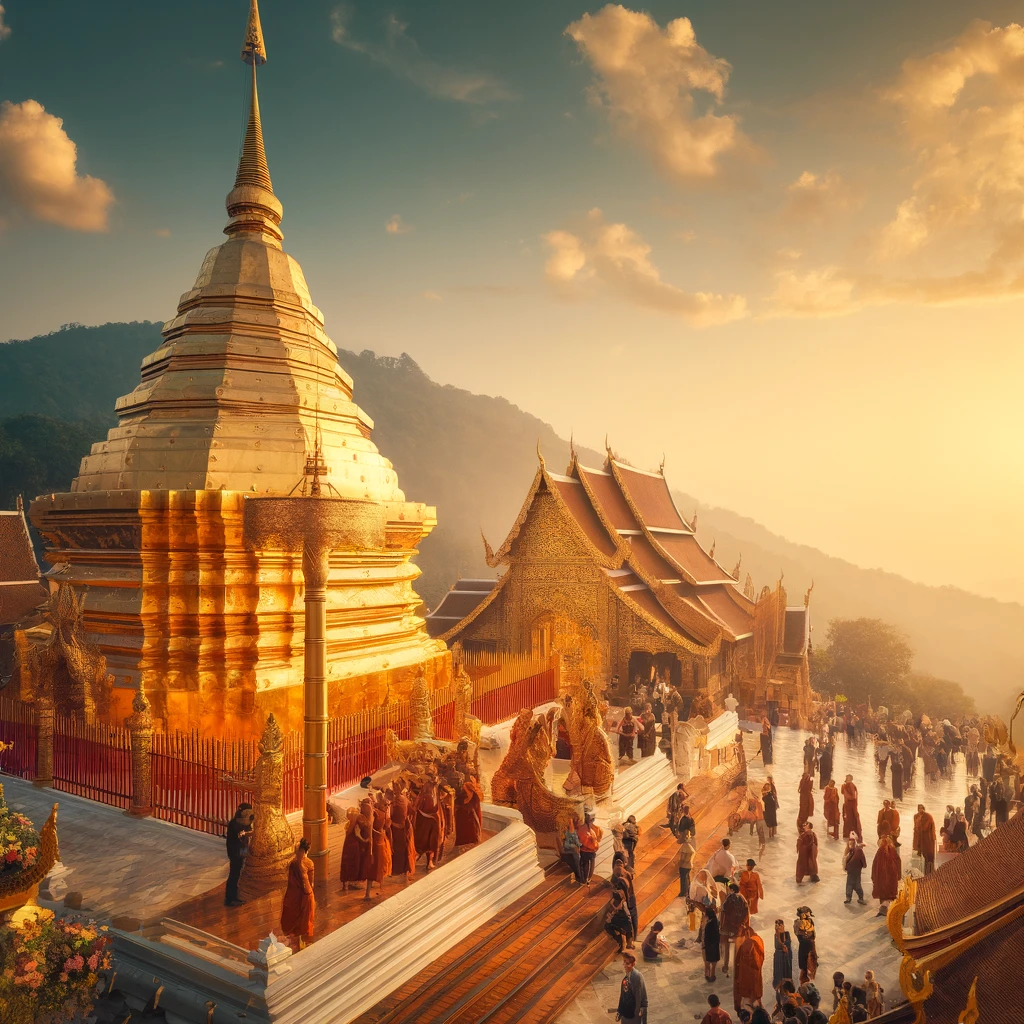
    Chiang Mai's Doi Suthep Temple, an iconic and serene Buddhist temple located on a mountain, with visitors and monks, clear day

    Explore Chiang Mai

    Chiang Mai, the spiritual capital of Thailand, is enveloped by mountains and lush countryside. It’s a city where tradition is alive, evident in its over 300 Buddhist temples. The Old City is a historical treasure, while the night bazaars are a shopper’s paradise.

    Temples and Traditions

    Visiting the temples, such as Wat Phra That Doi Suthep, provides insight into the city’s spiritual and architectural heritage. The temple’s setting on a mountain offers panoramic views of Chiang Mai.

    Culinary Adventures

    Chiang Mai is also known for its unique cuisine. Khao soi, a creamy coconut curry noodle soup, is a must-try. Cooking classes are widely available for those interested in learning the art of Thai cooking.


    Island Hopping

    Thailand’s islands are a paradise for beach lovers. Phuket, the largest island, is known for its vibrant nightlife and beautiful beaches. Koh Phi Phi is a haven for snorkelers and divers, with crystal clear waters and abundant marine life.

    Pristine Beaches

    Each island boasts its unique charm, from Koh Samui’s luxury resorts to Koh Tao’s diving spots. The white sandy beaches, turquoise waters, and lush palm trees offer a perfect tropical getaway.

    Water Activities

    Beyond lounging on the beach, the islands offer a plethora of water activities. Snorkeling, diving, kayaking, and sailing are just a few ways to explore the stunning marine environments.


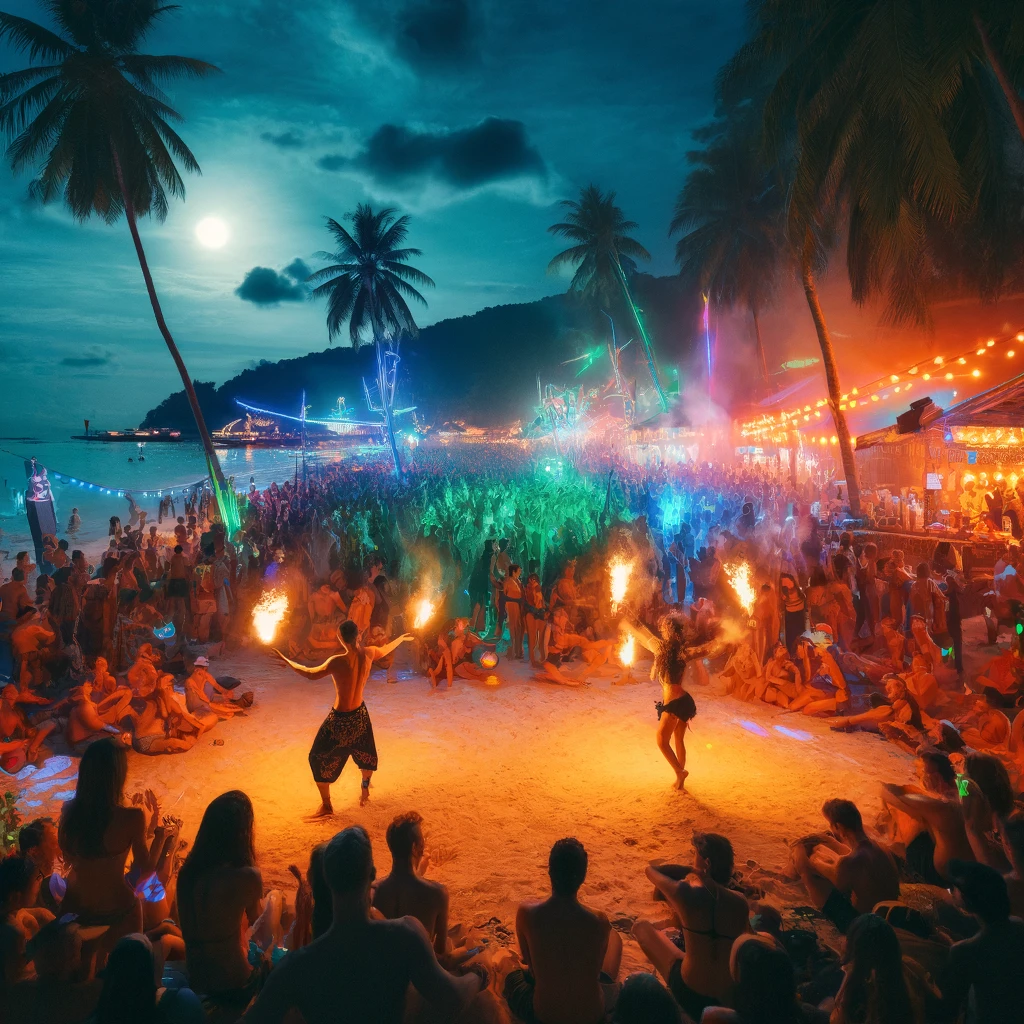
    Attend a Full Moon Party

    Koh Phangan’s Full Moon Party is legendary, attracting party-goers from around the world. The beach transforms into a dance floor under the moonlight, with DJs spinning beats till dawn.

    Experience the Energy

    The party is not just about music; it’s an experience. Fire dancers, neon paint, and a communal vibe make it a unique celebration of life and youth.


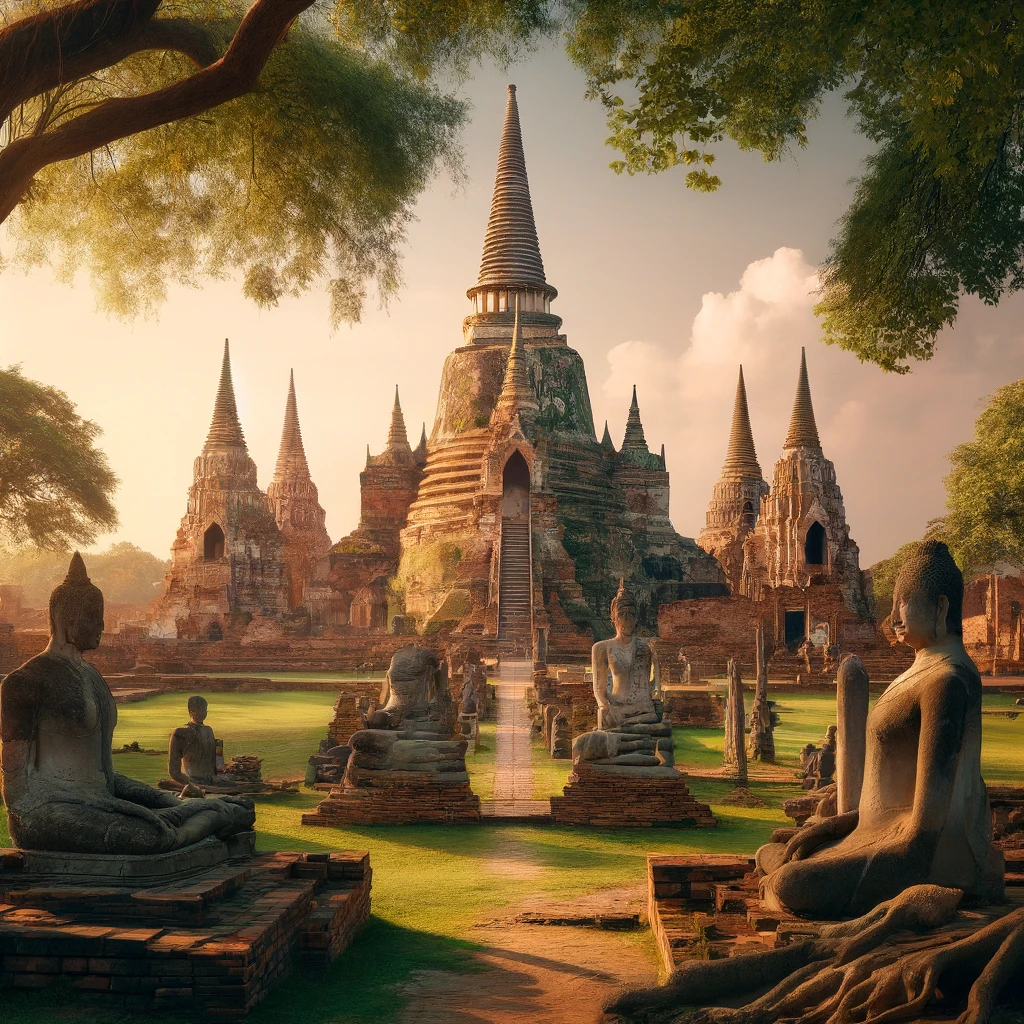
    Ruins of Ayutthaya Historical Park, Thailand, showing ancient temples and statues in a lush green setting, sunny day

    Visit Historical Ayutthaya

    Once the capital of the Kingdom of Siam, Ayutthaya is now a fascinating archaeological site. The ruins, many of which are UNESCO World Heritage-listed, offer a glimpse into Thailand’s glorious past.

    Explore the Ruins

    Temples, palaces, and statues lie in a scenic setting, inviting exploration. The historical park is vast, and each site tells a story of a bygone era.


    Discover Thai Cuisine

    Thai cuisine is a delightful blend of flavours and techniques. Street food tours in cities like Bangkok and Chiang Mai offer an authentic taste of local dishes.

    Culinary Tours

    Joining a cooking class or a food tour can provide insights into the ingredients and methods that make Thai food uniquely delicious. From spicy curries to sweet mango sticky rice, the culinary landscape is vast and varied.


    Outdoor adventure activities in Thailand, showing a person zip-lining through a lush tropical forest, exhilarating and scenic

    Enjoy Outdoor Adventures

    Thailand’s diverse landscapes offer a playground for adventure enthusiasts. Trekking in the northern hills, rock climbing in Krabi, or diving in the Andaman Sea are just a few options.

    Adventure Awaits

    Whether it’s exploring the jungle on an elephant’s back or ziplining through the canopy, Thailand offers a range of outdoor activities that cater to thrill-seekers and nature lovers alike.


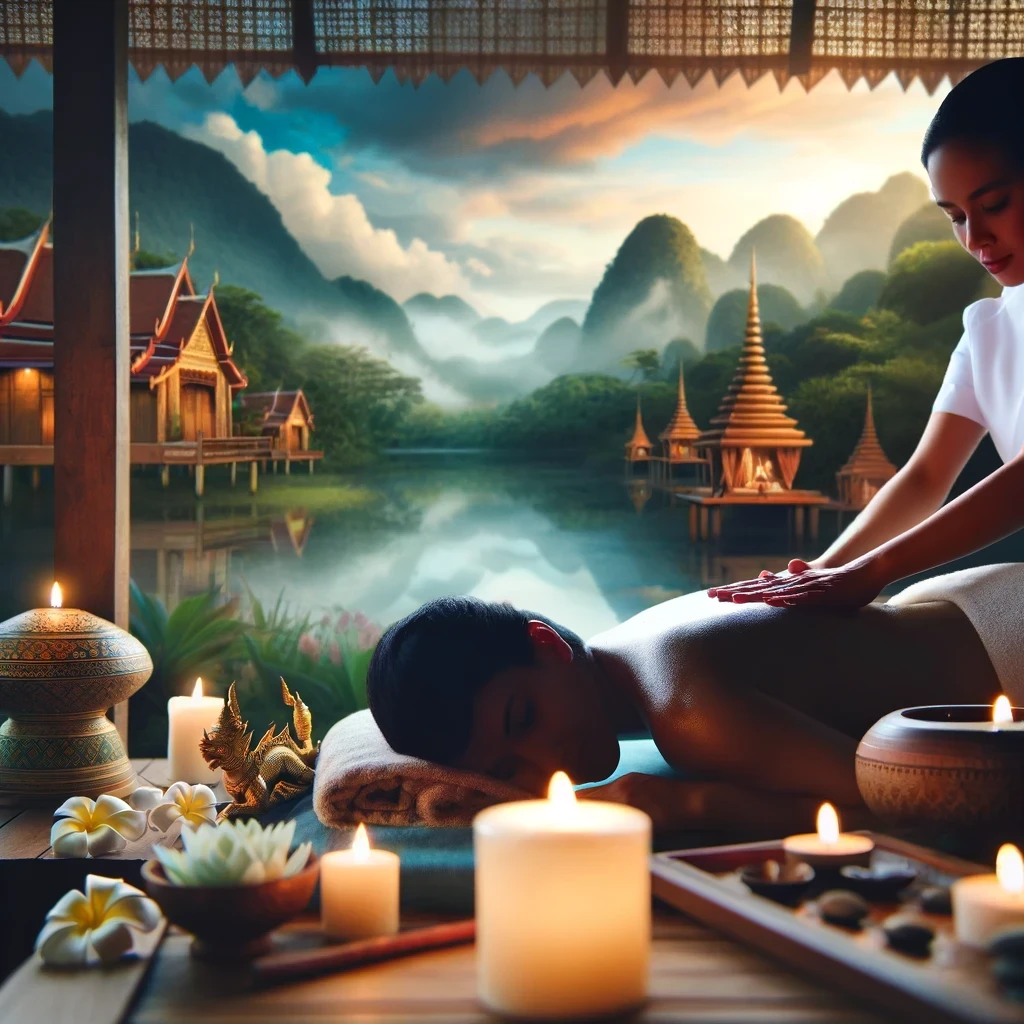
    Traditional Thai massage in a serene spa setting, showing a female therapist facing the camera while performing a massage on a female client, relaxing

    Relax with Thai Massage

    Thai massage is a therapeutic practice that combines stretching, pressure, and massage to balance the body’s energy. It’s a rejuvenating experience that can be found throughout the country.

    Spa and Wellness

    Many resorts and spas offer traditional Thai massages, providing a perfect way to unwind after a day of exploration.


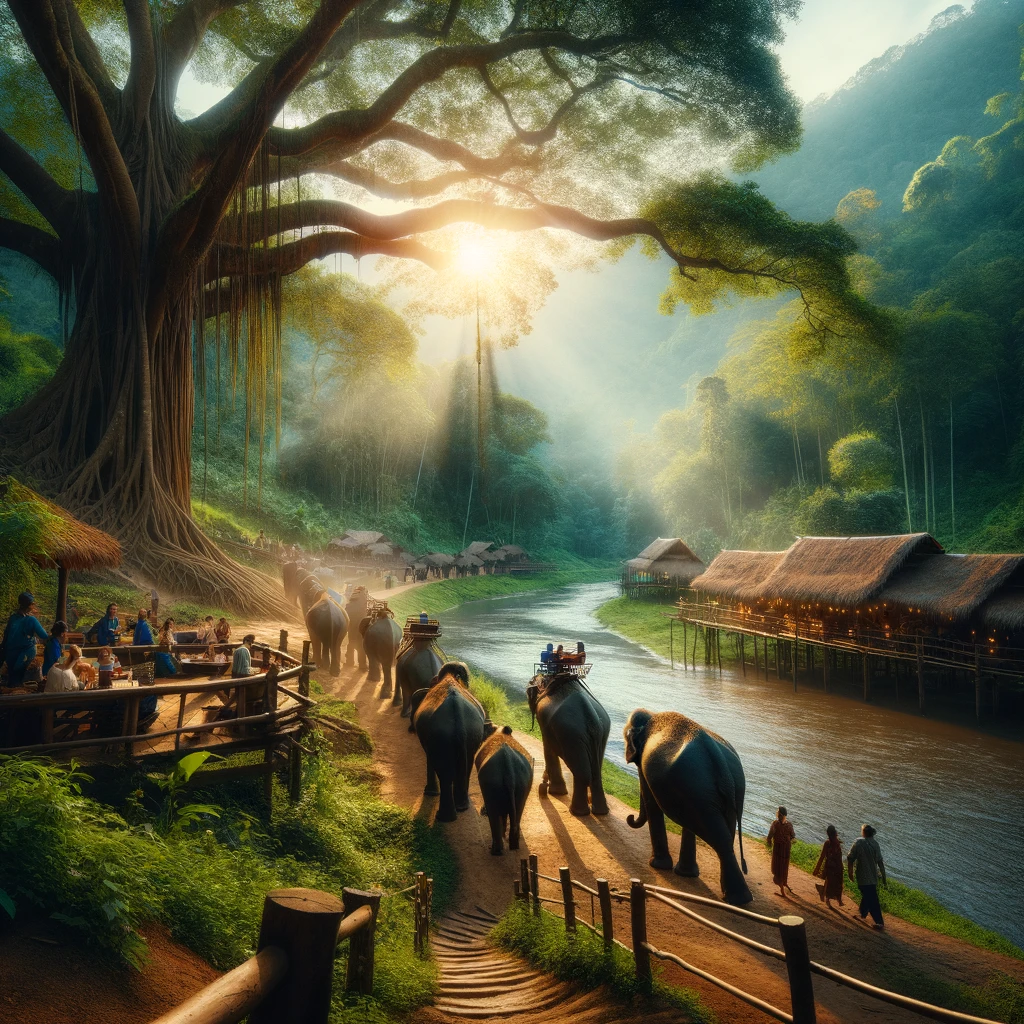
    Ethical elephant sanctuary in Thailand, showing a serene environment where tourists interact respectfully with elephants, lush green setting

    Ethical Elephant Encounters

    Thailand is home to several ethical elephant sanctuaries where visitors can interact with elephants in a respectful and humane manner.

    Responsible Tourism

    These sanctuaries focus on the well-being of the elephants, offering a chance to learn about conservation efforts and the animals’ natural behaviours.


    Koh Phangan's Full Moon Party, vibrant beach scene at night with people dancing, neon lights, and fire dancers, festive atmosphere

    Cultural Festivals

    Participating in festivals like Songkran or Loy Krathong offers a deep dive into Thai culture. These festivals are celebrated with enthusiasm and provide a glimpse into the country’s traditions and beliefs.

    Immersive Experiences

    Whether it’s engaging in water fights during Songkran or releasing a krathong during Loy Krathong, these festivals offer unforgettable experiences that connect travelers with local customs.


    Frequently Asked Questions (FAQ)


    Q: When is the best time to visit Thailand?
    A: The best time to visit is during the cool and dry season from November to early April.

    Q: Do I need a visa to visit Thailand?
    A: It depends on your nationality. Many countries benefit from visa exemption for short stays, but always check the latest visa requirements before your trip.

    Q: Is Thailand safe for tourists?
    A: Yes, Thailand is very safe for tourists and safer than most ‘western’ countries like the US, Australia, the UK and most of Europe in terms of crime.  However, as with any travel destination, it’s important to exercise common sense and stay aware of your surroundings. Be careful crossing streets and I recommend not renting scooters in the busy areas like Patong, Pattaya or Bangkok.  Especially if you dont have riding experience.

    Q: What should I pack for a trip to Thailand?
    A: Lightweight, breathable clothing, a good pair of walking shoes, sunscreen, and insect repellent are essentials. Also, pack modest attire for temple visits.

    Q: Can I drink tap water in Thailand?
    A: It’s not recommended to drink tap water in Thailand. Bottled water is widely available and inexpensive.

    Q: What is the currency in Thailand?
    A: The Thai Baht (THB) is the currency of Thailand. ATMs are widely available, and credit cards are accepted in most urban areas and resorts.

    This comprehensive guide offers a glimpse into the rich tapestry of experiences available in Thailand. Whether immersed in the hustle and bustle of Bangkok, exploring ancient ruins, or relaxing on pristine beaches, Thailand offers a diverse array of activities that promise an unforgettable journey.

  • Exploring Thailand Fashion: A Blend of Tradition and Trendsetting Styles

    Exploring Thailand Fashion: A Blend of Tradition and Trendsetting Styles

    A dynamic scene titled 'Exploring Thailand Fashion_ A Blend of Tradition and Trendsetting Styles.' The image features a group of stylish young adultsDelve into Thailand fashion, where silken traditions are spun with contemporary zest. As you venture across this tropical landscape, your attire becomes a dialogue with culture and climate. This article is your compass to navigating Thai fashion essentials, interpreting dress codes from streets to temples, and uncovering shopping gems that capture the creative spirit of Thailand.

    Key Takeaways

    • Thailand Fashion Week showcases a fusion of traditional Thai attire, such as the chut thai, with modern designs, reflecting the country’s rich heritage and contemporary trends, especially in the capital, Bangkok.
    • The climate in Thailand necessitates a strategic approach to clothing, emphasizing breathable fabrics like cotton and linen, rainproof gear for the monsoon season, and sun protection essentials for tropical conditions.
    • Appropriate dress is important in Thailand, requiring respectful attire such as long skirts and maxis in temples and modest clothing in rural areas, while being less strict in cities and beach locations.


    Chiang Mai's Doi Suthep Temple, an iconic and serene Buddhist temple located on a mountain, with visitors and monks, clear day

    The Essence of Tradition Thailand Fashion

    Thailand Fashion Week stands as a testament to the country’s dynamic fashion identity, flaunting an exquisite blend of traditional garments and modern flair within the bustling metropolis of Bangkok—a city cemented as an influential fashion hub.

    This event is not just a runway show; it’s a global stage where the fabric of Thai culture is showcased, intertwining classic aesthetics with trendsetting designs that resonate beyond Southeast Asia.

    The Traditional Touch

    The chut thai, Thailand’s traditional dress, is a symbol of the nation’s rich heritage, with styles refined under Queen Sirikit’s influence into the revered chut thai phra rajaniyom. These garments, which originated in the regal circles of the 1960s, have transcended time to remain emblematic of Thai identity, offering a glimpse into the country’s storied past through each carefully crafted silhouette.


    A vibrant scene of Thailand streetwear fashion on a bustling city street. Young adults are wearing trendy outfits that blend traditional Thai elements

    Streetwear Revolution

    In stark contrast to traditional attire, the streets of Thailand are a canvas for a sartorial revolution, where youth culture weaves global influences into distinctly Thai streetwear. Social media serves as the catalyst for this style explosion, with influencers curating looks that blend local elements with international brands, propelling street fashion into the spotlight.

    This movement has democratized fashion, allowing accessibility to trendy clothes, and fostering a spirit of individuality and self-expression.

    Designer Spotlight : Blending Tradition Thailand Fashion with Modern Styles

    Shining a light on the couturiers of Thailand, designers like Disaya, Flynow, and Greyhound have captivated the globe with their inimitable styles, seamlessly blending luxury with the essence of Thai design. From the exquisite nature-inspired creations of Koi Suwannagate to the fairytale-like garments of Kloset, each designer infuses their creations with a unique narrative.

    These narratives have transcended borders, with Thai designers joining forces with iconic brands and dressing stars, thereby cementing Thailand’s place on the international fashion stage.

    Dressing for the Climate: What to Wear in Thailand

    The tropical allure of Thailand calls for attire that is both stylish and climate-conscious. Natural fibers like light cotton and linen reign supreme, offering breathability and comfort in the face of humidity.

    Whether navigating the urban sprawl of Bangkok or enjoying the cooler evenings in Chiang Mai, selecting the right fabric is key to maintaining a perfect balance between comfort and style.

    Rainy Season Staples

    As the monsoon season casts its unpredictable showers over Thailand, having waterproof clothing and shoes becomes essential. A lightweight rain jacket, waterproof sandals, and a trusty umbrella are your allies against the sudden downpours, ensuring you stay dry and comfortable.

    These rainy season staples, coupled with breathable layers, protect not only from the rain but also from the accompanying mosquitos, ensuring that you can enjoy Thailand’s beauty, rain or shine.

    Sun Protection Essentials

    Stepping into Thailand’s sun-soaked days necessitates a wardrobe that shields from the harsh rays while keeping you fashion-forward. Here are some essentials for optimal sun protection:

    • Light-colored clothes
    • Wide-brimmed hats
    • UV-protective sunglasses
    • Sunscreen with a high SPF to safeguard your skin during those blissful hours spent under the tropical sun.

    Navigating Thailand’s Dress Codes

    In Thailand, dress codes exemplify a harmonious blend of respect and modesty, particularly noticeable at temples and in rural areas. Adhering to these codes by keeping shoulders and knees covered is not just a matter of etiquette; it’s an expression of cultural sensitivity.

    Sarongs, long skirts, and maxi dresses become versatile pieces in your Thailand outfit arsenal, easily transitioning you through a day of exploring from the bustling streets of Bangkok to the tranquil sanctuaries of the temples. A maxi dress, in particular, offers a stylish and comfortable option for your Thailand adventures.


    Modest temple attire in Thailand

    Temple Attire

    Ensuring appropriate attire while visiting temples is a gesture of respect towards the place and the culture. Maxi dresses and sarongs are practical choices for women, allowing them to embrace the spiritual ambiance while adhering to the strict dress code. Men are expected to wear long pants and shirts that cover the shoulders, ensuring they are appropriately dressed for these hallowed spaces.

    Beyond the Temples

    Outside the temple premises, Thailand’s dress codes become less stringent, yet maintaining modesty is still significant, especially in rural areas and during evening social events. Clothing choices that honor local customs while offering comfort in the heat—such as breathable fabrics and lightweight attire—are recommended.

    For beachside fun, embracing the sun, sand, and sea calls for a mix of stylish and practical beachwear, including bathing suits, making every moment in Thailand a fashionable one.

    Packing Tips for Southeast Asia

    The thrill of embarking on a Southeast Asian adventure includes the intriguing test of intelligent packing. Here are some essential items to consider:

    • Flip-flops for the beach
    • Sandals for the city
    • Trainers for the trails
    • Clothing in neutral colors that can mix and match effortlessly
    • Packing cubes to keep everything organized

    Remember, the key to packing for Thailand is to pack light but pack right, ensuring you have everything you need for the adventure that awaits.

    Essential Items to Bring

    Given the Thai environment, footwear selection requires both variety and functionality. Quality flip-flops are a must-have, as they provide ease and respect when entering temples and homes.

    Comfortable sandals and supportive walking shoes should also find a place in your luggage, allowing you to explore all that Thailand has to offer with ease.

    Adapting to Local Styles

    With apt clothing selections, aligning with local Thai styles becomes effortless. Here are some tips for dressing in Thailand:

    By following these tips, you can ensure that you are both stylish and comfortable during your time in Thailand.

    Don’t forget, local markets are a treasure trove where you can enhance your wardrobe with unique finds.

    Where to Shop for Thai Fashion in Bangkok

    Bangkok, beyond being Thailand’s capital, serves as a shopping paradise catering to fashion enthusiasts, offering an array from traditional silk to contemporary designs. Whether you’re navigating the vast markets or perusing the gleaming malls, the city offers endless opportunities to discover Thai fashion.

    From the artisanal textures of silk revered by Jim Thompson to the cutting-edge creations found in modern boutiques, Bangkok is where fashion enthusiasts can truly immerse themselves in Thailand’s sartorial splendor.

    From Markets to Malls

    Shopping for Thai fashion at Chatuchak Weekend Market

    Bangkok’s shopping landscapes vary and include:

    • The sprawling Chatuchak Weekend Market
    • Sophisticated malls like MBK Center and Platinum Fashion Mall
    • The Queen Sirikit Museum, which offers handcrafted silk
    • Centralworld, which offers contemporary designs

    These destinations offer a full spectrum of Thai fashion.

    For those seeking authenticity, the Doi Tung brand presents traditional crafts in modern shopping havens, while designer outfits from brands like Disaya define Thailand’s trendsetting styles.

    Souvenir Shopping

    Handcrafted accessories and silk in Thailand

    Souvenir shopping in Thailand is an art form, offering treasures like luxurious Thai silk, handcrafted accessories, and exquisite handmade jewelry. These items not only serve as beautiful mementos but also showcase the unparalleled craftsmanship of Thai artisans.

    From the silky embrace of a scarf to the artistic flair of hand-painted umbrellas, each purchase tells a story of Thailand’s rich cultural tapestry and supports the local communities that create them.

    The Influence of Thai Celebrities on Fashion Trends

    In Thailand, celebrities stand as more than just stars; they set fashion trends, their influence echoing through the lanes of Bangkok and far beyond. Their style choices, showcased on social media, at Fashion Weeks, and on magazine covers, are eagerly emulated by fans, demonstrating the symbiotic relationship between celebrity culture and fashion trends.

    Star Power

    The magnetism of Thai celebrities is amplified by their active presence on platforms like Instagram and TikTok. Through these digital windows, they share their fashion narratives, enhancing brand visibility and shaping the sartorial choices of many.

    It’s a testament to the power of star influence in a world where fashion and media are inextricably linked.

    Celebrity-Inspired Looks

    Thai celebrities have turned personal style into public aspiration. Lisa Manobal’s elegant yet edgy combinations, MATCHA’s Y2K revival, and Win Metawin’s tasteful ensembles are just a few examples of how celebrities influence trends. Their fashion statements, whether at international fashion shows or through social media snapshots, ignite their fans’ imaginations and encourage them to experiment with their own wardrobes, showcasing the immense impact of these trendsetters.

    Styling for Thailand’s Social Scene

    Thailand’s social scene mirrors the diversity of its fashion, featuring dress codes from smart casual to casual elegant, fitting all occasions from rooftop gatherings to beachside celebrations. Understanding these nuances allows you to traverse the country’s social landscape while looking the part, whether you’re sipping cocktails in Bangkok or dancing under the moonlight at a beach festival.

    Evening Elegance

    Evening elegance in Thailand is characterized by a blend of sophistication and subtlety. For men, dark-colored suits and long trousers paired with sleeved tops are the norm, while women can dazzle in pantsuits, dress suits, and stylish tops, complemented by high heels or fashionable flats. Adding a silk scarf or a statement accessory can transform any outfit into one fit for Bangkok’s glittering night scene.

    Casual Cool

    For those breezy beachside gatherings or casual city explorations, ‘casual cool’ is your go-to style. Embrace tropical prints, sheer blouses, and wearing shorts that reflect the laid-back vibe of Thailand’s beautiful beaches. Don’t forget the flip-flops and a few pairs of sunglasses to accessorize.

    Night or day, whether you’re lounging on the sands of Phuket or navigating the night markets of Chiang Mai, staying cool yet fashionably dressed is a breeze with the right breathable materials and vibrant accessories.

    Summary

    From the regal elegance of traditional chut thai to the electric buzz of streetwear and the polished glamor of evening events, Thai fashion offers a world of contrasts and harmonies. This guide has ventured through the essentials of dressing for the climate, respecting cultural dress codes, and where to shop for that perfect Thai outfit. Influenced by both local craftsmanship and the star power of celebrities, Thai fashion is a realm where tradition meets trendsetting, and practicality pairs with style. As you pack your bags or dream up your next ensemble, remember that in Thailand, each piece of clothing tells a story, and every style choice is a chance to weave your own into the country’s rich fabric.


    Frequently Asked Questions for Tradition Thailand Fashion.


    Do I need to wear a bra in Thailand?

    Yes, it is recommended to wear a bra when walking around in Thailand as not wearing one is frowned upon in Thai culture.

    How should you dress in Thailand?

    When dressing in Thailand, pack loose, breathable clothing like cotton t-shirts, comfortable skirts, and shorts to stay comfortable in the high humidity. For evenings, women should consider a long maxi dress and thin shawl, while men should have linen trousers and a long-sleeved shirt to avoid mosquito bites.

    What is the traditional clothing of Thailand?

    The traditional clothing of Thailand is called chut Thai and it consists of different styles that are worn for different occasions and layered with rich symbolism. It can be worn by men, women, and children. (No date)

    What fashion is popular in Thailand?

    In Thailand, the popular traditional fashion includes elegant dresses like Chakkri, which is suitable for formal occasions and features a long tube skirt with a sabai top made from silk that wraps around the shoulders and trails to the ground on one side. In addition, locals commonly wear comfortable fabrics like linen or light cotton due to the hot weather, avoiding materials like polyester.

    Can I wear shorts and tank tops when visiting temples in Thailand?

    No, when visiting temples in Thailand, it’s important to dress modestly by covering the shoulders and knees. Avoid wearing tank tops, short shorts, and revealing clothing.

  • Thailand’s fashion for the past 100 years

    Thailand’s fashion for the past 100 years

    Lets delve into each era of Thailand’s fashion for the past 100 years, exploring significant cultural shifts, key figures, and notable trends that shaped the evolution of Thai attire from the early 20th century to the present day.

    Traditional Thai clothing in the early 20th century, featuring women in phaa nung and men in pakama, set in a historical Thai village background

    Early 20th Century: Tradition and Elegance

    In the early 1900s, Thai fashion was deeply rooted in tradition, with clothing styles reflecting social status and regional differences. Women typically wore the “phaa nung” or “chong kraben,” a traditional wrap-around skirt, paired with a finely embroidered blouse. The “sabai,” a fabric draped elegantly over the shoulder, completed the ensemble. Men’s traditional attire included the “pakama,” a versatile cloth that could be styled in various ways, and a simple shirt.

    The royal court had a significant influence on fashion, with elaborate and intricately designed garments reflecting the wearer’s status. Royal attire often featured luxurious fabrics like silk, adorned with gold and precious gems, underscoring the opulence of the Thai monarchy.

    1930s-1940s Thai fashion showing Western influence, with men in suits and women in dresses and skirts, blending Western styles with traditional Thai e

    1930s to 1940s: Western Influence and Modernization

    During the reigns of King Rama VI and King Rama VII, Thailand experienced a wave of modernization, which included changes in clothing styles. The government encouraged the adoption of Western attire as part of its modernization efforts. Men began wearing suits and trousers, while women embraced skirts, blouses, and dresses, blending these new influences with traditional Thai elements.

    This era also saw the introduction of uniforms in schools and government institutions, further promoting the shift towards Western-style clothing. However, traditional attire remained popular for formal occasions and in rural areas, maintaining a connection to Thai heritage.

    1950s-1960s Thai silk fashion, showcasing women in elegant silk phaa nung and blouses, and men in silk shirts, reflecting the luxury and global appeal

    1950s to 1960s: The Rise of Thai Silk

    The mid-20th century marked the renaissance of Thai silk, largely due to the efforts of Jim Thompson, an American entrepreneur who revitalized the Thai silk industry. Thai silk, known for its quality and distinctive designs, became a symbol of national pride and a sought-after commodity worldwide.

    This period saw a resurgence of traditional attire, now made with luxurious Thai silk, blending traditional styles with modern aesthetics. Women’s fashion included silk phaa nung and elegant blouses, while men’s attire incorporated silk shirts and traditional lower garments.

    1970s-1980s Thai fashion reflecting economic growth, with a blend of traditional and modern styles, showcasing urban youth in contemporary attire mixe

    1970s to 1980s: Economic Boom and Diversification

    Thailand’s economic boom led to significant changes in the fashion industry. Urbanization and the rise of the middle class introduced a more diverse fashion landscape. The 1970s and 1980s witnessed a blend of traditional and modern styles, with Thai designers beginning to make their mark.

    The influence of international fashion became more pronounced, with Thai consumers gaining access to global trends through media and travel. Despite this, traditional elements remained integral to Thai fashion, with designers incorporating local textiles and motifs into contemporary designs.

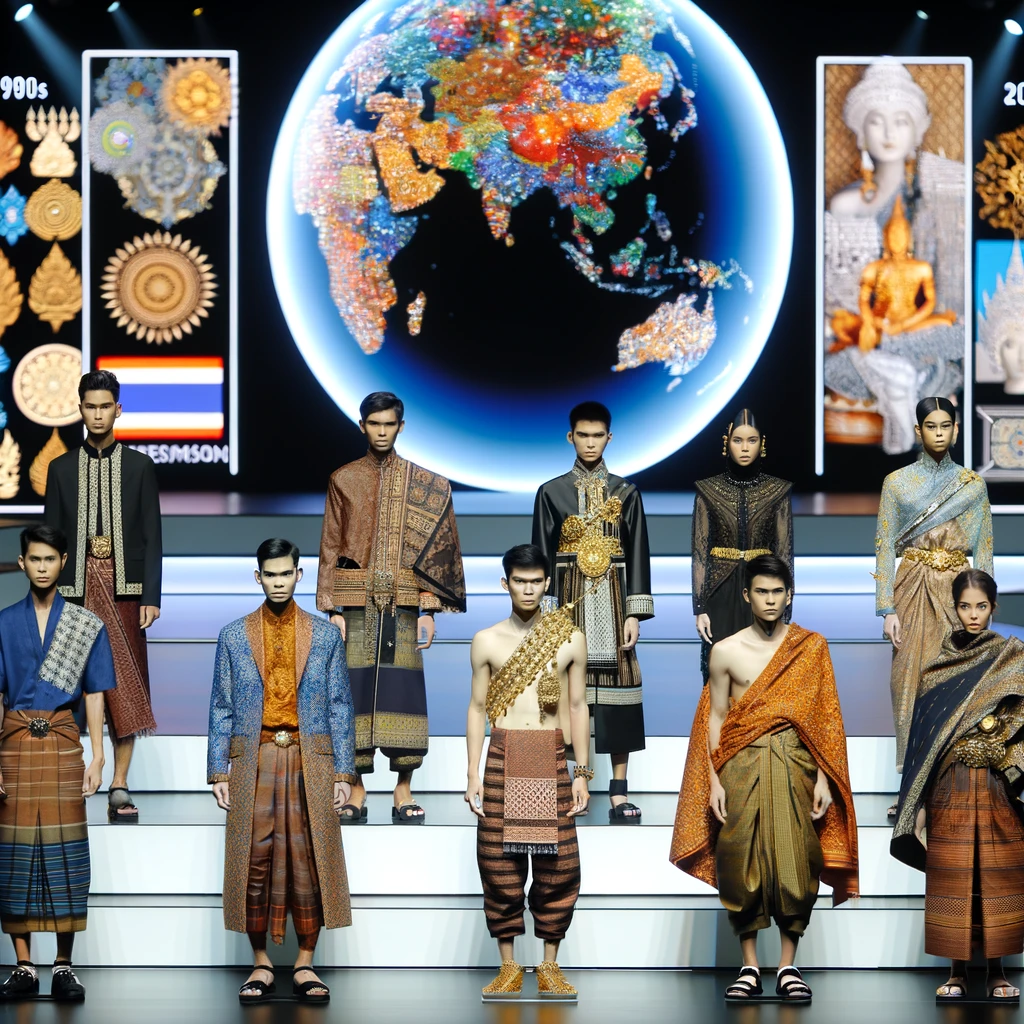
    1990s-2000s Thai fashion, illustrating globalization and fashion fusion, with Thai designers showcasing a mix of traditional and contemporary styles,

    1990s to 2000s: Globalization and Fashion Fusion

    The late 20th and early 21st centuries saw the effects of globalization on Thai fashion. International brands entered the market, and Thai designers gained recognition both domestically and internationally. Fashion shows and weeks in Thailand showcased the country’s talent, highlighting a fusion of traditional and modern styles.

    Designers experimented with materials, cuts, and designs, creating a unique Thai aesthetic that resonated on the global stage. Traditional attire continued to evolve, incorporating modern influences while maintaining a connection to Thai heritage.

    Contemporary Thai fashion focusing on sustainability and digital influence, showcasing eco-friendly designs and digital trends in a modern urban setti

    2010s to Present: Sustainable Fashion and Digital Influence

    In recent years, there has been a growing emphasis on sustainability in the Thai fashion industry. Designers and brands are focusing on eco-friendly practices, using local materials, and preserving traditional craftsmanship. The rise of digital media has transformed fashion, with online platforms, social media, and influencers playing a crucial role in shaping trends and consumer behaviour.

    Today, Thai fashion is a dynamic blend of tradition and innovation, reflecting the country’s rich cultural heritage and its embrace of global trends. The industry continues to evolve, with a focus on sustainability, digital innovation, and a deep respect for traditional craftsmanship.

  • What to Wear in Thailand

    What to Wear in Thailand

    Thailand temples

    Thailand, with its mesmerizing landscapes, rich culture, and vibrant street life, is a destination that beckons travelers from around the world. However, the tropical climate and cultural norms call for thoughtful consideration when packing your bags. This comprehensive guide, infused with keywords and potential headings such as “what to wear to temples in Thailand,” “tourist outfits,” and “cute outfit inspo,” will ensure you’re perfectly attired for every Thai adventure, from temple visits to beach relaxation.

    Understanding Thailand’s Climate and Culture

    Before diving into the specifics of what to pack, it’s crucial to understand Thailand’s climate and cultural expectations. The country’s tropical weather means hot and humid days are the norm, punctuated by monsoon rains depending on the season. Additionally, Thai culture is steeped in respect and modesty, particularly in religious and traditional settings.

    Stripey dress with pockets

    Day-to-Day Traveling Outfits

    In Thai travel short skirts and shorts are likely to be the standard attire. Always keep your feet covered with well-designed flats. Thai climate is cloudy and humid. So you’re sweating regardless of your outfit.

    How Much Clothes Should You Pack for Thailand

    Two changes of clothes a day is recommended. The bottoms should have a minimum of two changes of clothes. Since Thailand is hot with humidity, the clothes you wear during your visit will probably be sweaty by the time you return home. It’s not necessary to wear it out at lunch before taking to the bathroom. You may find washing clothes quite affordable, but the laundromat will typically be able to return your clothing within 24 hours. I would suggest bringing some more clothing and pants, as the bottoms often need washing after a couple of hours.

    What to Wear to Beaches in Thailand

    You can wear regular beach wear at Thai beaches. Tourists wear clean clothes, bikinis, swimsuits and even speedos in Thai beaches. You can use sand shoes, as most coastal coastlines have stones and coral. Europe tourists tend to wear sexy cut bikinis and speedos while Asians and China tourists generally cover the whole place and have umbrellas. The clothing choices at beaches in Thailand are also varied.

    Thailand temple

    What to Wear to Temples in Thailand

    Visiting Thailand’s temples is a must-do, but it comes with a strict dress code. Temples are sacred places, and dressing respectfully is non-negotiable. Here’s how to blend in and show respect:

    Don’t wear revealing clothing

    Even if short skirts and shorts are acceptable wear they should never show in your butt. Men shouldn’t wear sweat shirts – especially those displaying their nipples – and wear shirts unbuttoned or un-fit. Ladies avoid tank tops or jeans with spaghetti straps unless you have an oversize shirt or sweater draped across the shoulders. Keep the dangerous Daisy Duke Shorts. And please, please do not wear pants that expose the cleavage.

    Ensure your clothing covers shoulders and skirts past the knees. A “Miss Thailand dress,” known for its elegance and modesty, is an ideal choice for women. Men should opt for long pants and shirts with short sleeves.

    One of the decent pieces of clothing that you can pack is a shawl. With this, you can cover it around your waist or wrap it across your shoulders and chest when visiting a temple. Don’t Dress Immodestly Men should avoid wearing sleeveless shirts or shirts left unbuttoned, which expose their chest or stomach when visiting a temple. Don’t walk in with really short shorts, also. If women are showing their shoulders, thighs, or cleavage, they will not be allowed to enter a temple . Most famous temples give visitors free wraps in case you’ve

    Do bring lightweight clothing made of quick-wicking material

    Natural materials like silks and cotton are excellent for cold weather. Various synthetic or semi-synthetic polyesters are known to be moisture resistant and quickly able to dry. It is generally crease-free after packaging and washing as well. They’re good! Cottons can be used in a mix as long as they have a thinner substance. Keep clothing in darker colors. Light colors show dirt. It can be difficult avoiding sweat from Thai food and grime from many surfaces.

    Choose light, breathable fabrics to keep cool. While color restrictions are generally lax, opting for neutral or pastel tones can be a sign of respect.

    Don’t walk around barefoot and pass on the high heels and boots

    You’ll often need to remove your shoes before entering a temple. Slip-on shoes or sandals make this process easier and are respectful choices.

    Do Not Walk Around Barefoot. In some countries, it is OK, but not in Thailand. It is offensive to have dirt built up on your feet in Thailand’s homes and offices.

    Underwear To Bring to Thailand

    Bring plenty of underwear for ten days. If you wear dirty clothing and do not have any washing machines you can always wash them by hand.

    Tourist Outfits: Balancing Comfort and Style

    When you’re not temple-hopping, your attire can be more relaxed but still should be mindful of the climate and local customs.

    Daytime Explorations

    Activewear offers stylish yet comfortable options for those active days exploring markets or historic sites. Pair activewear tops with lightweight linen pants or “cute outfits with shorts” for a casual, heat-friendly look.

    Bangkok night

    Evening Attire

    Evenings might call for something a bit more refined, especially if you’re dining out or enjoying the nightlife. A “Thai dress” can be the perfect blend of comfort and style, embracing local fashion while keeping cool.

    Thailand boats at the beach

    Beachwear and Island Hopping

    Thailand’s beaches are legendary, and your attire here can be more laid-back and playful.

    What to Pack for Beaches and Islands in Thailand

    If a tourist goes camping in Thailand it can almost always be packed as in a lot of destinations. I brought a few other items like the talc powder. I found Thai beaches much less hot than those of the Caribbean and Mexico. If you suffer from heat rash always bring prickly hot powder that’s also available anywhere in Thailand.

    Swimsuits and Cover-ups

    Bikinis and swim trunks are standard, but always bring a cover-up for when you transition from sand to café or shop.

    Beach to Dinner

    Opt for versatile pieces like a wrap dress or a lightweight button-up shirt that can take you from beach to a casual dinner setting.

    What to Wear in Chiang Mai & Northern Thailand

    Chiang Mai, the popular destination of North Thailand, is packed with hipster shops with countless temples and breathtaking scenery all over. In Bangkok the same rules apply. If you want to travel to more isolated places in Thailand, the jungle is definitely a lot fun to walk through, but it requires extra preparation.

    Thailand beach swimmer

    What to Wear in Phuket, Koh Samui, and all the Other Thai Islands

    What to Plan For Phuket? Phuket is a very popular island in Thailand with more than 900 islands, and is the most popular in Asia. The island of Phuket is mainly surrounded by islands in Asia. Since these islands are usually the destinations that most travelers visit in Thailand, short shirts are absolutely okay, but don t display your booties! Decency remains extremely important. Obviously linen clothes and soft textiles are nevertheless essential. You’ll spend many hours on beaches, so you should wear Thai beachwear and have a towel to re-cover yourself after you go.

    What Not to Wear

    Don’t walk around town in bathing suits or go topless

    A quick look around will make it impossible for a Thai person to run around a street without wearing shorts or a bathing suit. No one can walk without shoes. Wearing a bathing suit in a hotel without a cover-in will be deemed an inconvenient decision by most Thais. It also applies to cities like Bangkok and Chiang Mai. The only area of Thailand where you should consider your choices of bathing suit is the deep south and neighbours of Malaysia.

    While Thailand is relatively liberal, there are some definite don’ts to keep in mind:

    • Avoid overly revealing clothing, especially in rural areas and temples.
    • Graphic tees with offensive language or images are a no-go.
    • High heels aren’t practical given the terrain and are often frowned upon in sacred places.

    Packing List Essentials

    Creating a “Thailand packing list” is your blueprint for a versatile wardrobe that covers all bases.

    1. Lightweight Tops: Pack a variety of breathable tops, including t-shirts, tank tops, and long-sleeve shirts for sun protection. Opt for materials like cotton, linen, or moisture-wicking fabrics to stay comfortable in the heat.
    2. Bottoms: Include a mix of shorts, skirts, and lightweight trousers. Long trousers are essential for temple visits and cooler evenings. Women might consider capris or culottes as stylish, practical options.
    3. Dresses and Skirts: Bring along dresses and skirts that are knee-length or longer, particularly for visiting temples. Wrap dresses and maxi dresses are excellent choices for their versatility and comfort.
    4. Undergarments: Ensure you have enough underwear for the trip, considering the heat and potential for sweating. Breathable, quick-dry options are ideal. Also, pack a few sports bras or comfortable bras that can withstand a day of exploring.
    5. Swimwear: Include at least two swimsuits or swim trunks so you always have a dry one available. A rash guard can be a good addition for sun protection if you plan on snorkeling or engaging in water sports.
    6. Cover-ups: Bring sarongs or cover-ups for beach days, which can also double as scarves or shawls when visiting temples or cooler areas.

    Footwear

    1. Comfortable Walking Shoes: Opt for durable, comfortable shoes for long days of exploring. Breathable materials are a plus.
    2. Sandals/Flip-Flops: Suitable for beach days and casual outings. Consider sandals with a back strap for more stability during active days.
    3. Water Shoes: If you plan on engaging in water activities or visiting rocky beaches, water shoes can provide protection and grip.

    Accessories

    1. Hats: A wide-brimmed hat can provide essential sun protection during your explorations.
    2. Sunglasses: UV-protection sunglasses will shield your eyes from the intense Thai sun.
    3. Bags: A daypack is essential for carrying water, snacks, and other essentials. Consider a crossbody bag or a money belt for added security.
    4. Rain Gear: Depending on the season, a lightweight, packable rain jacket or a poncho can be invaluable.
    5. Scarves/Shawls: Useful for covering shoulders in temples, as a beach cover-up, or for chilly evenings.

    Toiletries and Health Items

    1. Sunscreen: A high-SPF, water-resistant sunscreen is crucial for protection against the strong Thai sun.
    2. Insect Repellent: To guard against mosquitoes, especially if you’re visiting rural areas or traveling during the rainy season.
    3. First Aid Kit: Include basics like band-aids, antiseptic wipes, and any personal medications.
    4. Hygiene Products: Pack all your necessary toiletries, considering the availability of specific products in Thailand.

    Miscellaneous

    1. Travel Documents: Ensure you have your passport, visa (if required), travel insurance information, and any other necessary documents.
    2. Power Adapter: Thailand uses Type A, B, C, and O plugs, so bring a suitable adapter for your electronic devices.
    3. Water Bottle: Stay hydrated with a reusable water bottle; many places have refill stations to reduce plastic use.

    By carefully considering each category on this expanded packing list, you’ll be well-prepared for the diverse experiences and climates Thailand has to offer, ensuring a comfortable and respectful journey.

    Cute Outfit Inspo

    Looking for some “cute outfit inspo”? Think about combining functionality with style. A pair of high-waisted shorts paired with a flowy blouse can be both temple-appropriate (with a scarf to cover shoulders) and ideal for a market stroll. Accessorize with a local scarf to add a pop of color and support local artisans.

    Thailand night market

    Thailand Outfits: Embracing Local Styles

    Incorporating local elements into your wardrobe can enhance your travel experience and offer a nod to Thai culture. Market stalls and local boutiques are treasure troves of unique pieces. Look for items like fisherman pants or a hand-painted “Thai dress,” which not only make for great souvenirs but also allow you to embrace the local vibe authentically.

    Do wear comfortable, preferably water-resistant shoes

    It is essential to wear comfortable boots. Since it often rains in Thai cities, rubber is a good option for this. Flip flops are absolutely acceptable and slip-on shoes are very comfortable. This protects your feet from street dirt and you don’t need laces if you’re getting them off. Always remove the shoe from your hands when visiting a temple. If you find that you see piles and boxes in your entrance hall it means you can take them out.

    Conclusion

    Dressing appropriately for Thailand isn’t just about adhering to cultural norms—it’s about embracing an ethos of respect, openness, and mindfulness. By following this guide, you’ll always pack clothes in a suitcase that’s not only practical and stylish but also culturally attuned, ensuring your Thailand adventure is as seamless and enriching as the country itself. Whether you’re temple gazing, beach lounging, or market wandering, your attire will be your companion in comfort, respect, and style.

    Questions

    1. What should I wear when visiting temples in Thailand?

    Answer: When visiting temples, you should dress appropriately modestly to show respect. This means covering your shoulders and knees. Men should wear long pants and shirts with sleeves, while women should opt for long skirts or pants and tops that cover the shoulders. Avoid wearing tight-fitting clothing, and remember to remove your shoes before entering temple buildings.

    2. Is it acceptable to wear shorts in Thailand?

    Answer: Yes, you can wear shorts in Thailand, especially in casual settings like beaches or markets. However, they should be avoided when visiting temples or more conservative rural areas. Opt for knee-length or longer shorts to blend in better and respect local customs.

    3. What kind of footwear is best for Thailand?

    Answer: Comfortable, breathable shoes are best for exploring cities and historical sites. For beaches and islands, sandals or flip-flops are suitable. When visiting temples, wear shoes that are easy to remove, as you’ll need to take them off before entering.

    4. Do I need to pack warm clothes for Thailand?

    Answer: Thailand is generally hot and humid, but it’s a good idea to bring a light jacket or sweater, especially if you’re visiting air-conditioned places, cooler regions in the north, or traveling during the cooler months (November to February).

    5. Can I wear tank tops and sleeveless shirts in Thailand?

    Answer: Yes, you can wear tank tops and sleeveless shirts in casual settings. However, they’re not appropriate for temples or more formal occasions. It’s a good idea to carry a scarf or shawl to cover your shoulders when needed.

    6. What should I wear for a night out in Thailand?

    Answer: Nightlife attire in Thailand varies depending on the location. In tourist-heavy areas and nightclubs, Western-style clothing like dresses and smart casual wear is common. However, it’s always a good idea to check the dress code of an establishment beforehand.

    7. How should I dress for the beach in Thailand?

    Answer: Beachwear like swimsuits, bikinis, and board shorts are appropriate for the beach. However, always bring a cover-up or a sarong to wear when you’re not on the sand, as walking around in just your swimwear away from the beach is generally frowned upon.

    8. Are there any clothing materials I should avoid or prefer in Thailand?

    Answer: Light and breathable fabrics like cotton and linen are ideal for Thailand’s tropical climate. It’s best to avoid heavy or non-breathable materials, as they can become uncomfortable in the heat and humidity.

    By keeping these questions and answers in mind, travelers can ensure they pack appropriately and respect Thailand’s cultural norms while enjoying their visit comfortably.