My Account

Category: Fashion History

  • Celebrating Palestinian Fashion: A Fusion of Tradition and Modern Identity

    Celebrating Palestinian Fashion: A Fusion of Tradition and Modern Identity

    A Palestinian woman wearing a traditional long flowing dress, known as a thobe, with intricate, colorful Tatreez embroidery on the chest and sleeves.

    Introduction 

    Palestinian fashion is a rich tapestry of cultural identity, history, and artistry. Traditional garments and handmade accessories are an expression of Palestinian heritage, while modern designers blend these elements into contemporary styles. In this article, we explore the significance of Palestinian fashion, its roots in embroidery, and how it has evolved over time.

    1. The Iconic Palestinian Thobe: A Cultural Masterpiece

    The Thobe, a long, flowing dress, is perhaps the most iconic piece of Palestinian fashion. Worn by women for special occasions, it is often beautifully embroidered with Tatreez (Palestinian embroidery), each region in Palestine having its own distinctive designs. The embroidery not only represents the artistry of Palestinian women but also tells stories of family, history, and the land.


    A close-up of Palestinian Tatreez embroidery being worked by hands, showing vibrant and intricate patterns. The embroidery is on fabric, with visible

    2. Tatreez: The Art of Palestinian Embroidery

    Tatreez is a centuries-old embroidery technique that has been passed down through generations of Palestinian women. Each stitch holds cultural significance, and the motifs often represent elements of nature, history, or the Palestinian identity. For instance, the tree of life, flowers, or geometric patterns are common. Tatreez is featured on a variety of garments and accessories, from dresses to bags and even scarves.


    A Palestinian man and woman of average appearance, casually dressed, wearing the traditional keffiyeh (Kufiya) with the classic black and white or red

    3. The Palestinian Keffiyeh: A Symbol of Resistance

    The Keffiyeh (or Kufiya) is perhaps the most well-known symbol of Palestinian identity. This checkered scarf, typically black-and-white or red-and-white, has been worn by Palestinian men and women for decades. Initially a practical garment used to protect from the harsh climate, the keffiyeh has evolved into a global symbol of resistance, unity, and Palestinian pride.


    A high-fashion runway scene with a modern Palestinian designer collection, incorporating traditional Tatreez embroidery into contemporary clothing. Th

    4. Modern Palestinian Designers and Fashion

    In recent years, Palestinian fashion has evolved, with local designers blending traditional elements with contemporary styles. Designers like Reem Accra, Hind Hobeika, and Maha Husseini have garnered international recognition by incorporating Palestinian embroidery into their modern collections. These designers aim to keep the essence of Palestinian fashion alive while making it relevant to today’s global fashion scene.


    A variety of Palestinian handmade accessories, including embroidered bags, silver jewelry, and scarves. The items are laid out in a beautiful display,

    5. Handmade Accessories: A Testament to Palestinian Craftsmanship

    Palestinian craftsmanship extends beyond clothing to include beautiful accessories. Hand-embroidered bags, silver jewelry, and scarves are often made with care by local artisans. These accessories, adorned with Palestinian motifs, are not only stylish but also help sustain the local economy and pass on traditional skills.
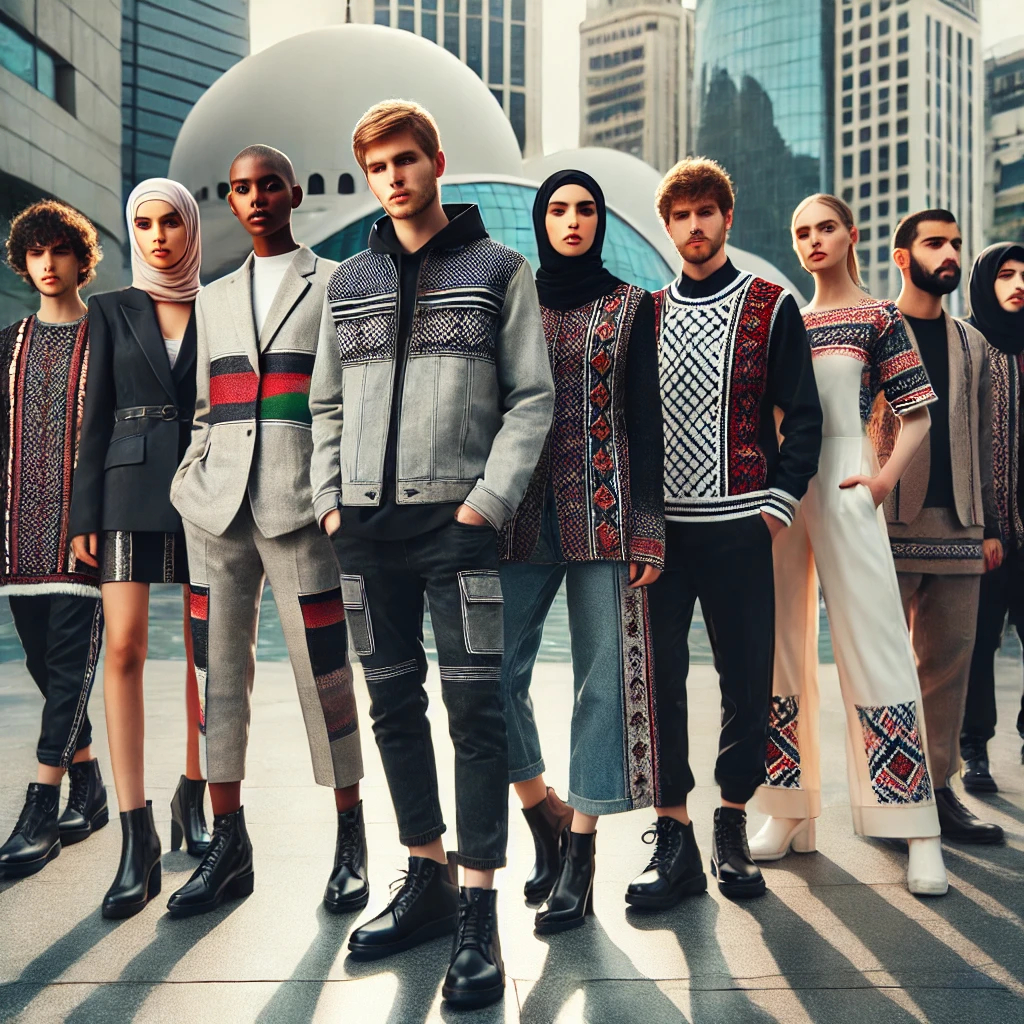
     

    A group of diverse models wearing contemporary Palestinian fashion in a cosmopolitan setting. The designs incorporate traditional Palestinian elements

    6. The Role of Palestinian Fashion in Today’s Global Context

    Palestinian fashion has made its mark on the global stage. Designers and brands are using their platform to tell the stories of Palestinian people and showcase the beauty of their culture. Whether through runway shows, social media, or international fashion magazines, Palestinian fashion is being celebrated worldwide, transcending borders and political barriers.


    A symbolic image of a Palestinian woman wearing a traditional thobe or keffiyeh in a historic or culturally significant location. The image should con

    7. Palestinian Fashion as a Tool for Identity and Resistance

    Fashion, for many Palestinians, is a way to express their identity, both as a cultural statement and as a form of resistance. Through clothing and accessories, Palestinians can share their heritage and history with the world, challenging stereotypes and asserting their presence on a global scale.


    Conclusion

    Palestinian fashion is a vibrant, evolving art form that reflects the culture, resilience, and creativity of the Palestinian people. Whether through traditional garments like the thobe and keffiyeh, the intricate artistry of Tatreez embroidery, or the modern interpretations by young designers, Palestinian fashion continues to be a vital expression of identity, pride, and resistance.


    FAQ: Palestinian Fashion


    1. What is Tatreez embroidery?

    Tatreez is a traditional Palestinian form of embroidery that has been passed down through generations. It involves intricate, colorful stitching on fabric, often used to decorate garments like thobes, dresses, and accessories. Each region in Palestine has its own distinctive patterns and motifs, which hold cultural and historical significance.

    2. What is the significance of the keffiyeh?

    The keffiyeh, also known as the kufiya, is a symbol of Palestinian identity, pride, and resistance. Originally worn as a practical garment to protect from the sun and dust, it has become a global symbol of solidarity with the Palestinian people and their struggle for justice and self-determination. The checkered pattern, typically black and white or red and white, is instantly recognizable.

    3. Are Palestinian fashion styles only worn on special occasions?

    While traditional garments like the thobe are often worn on special occasions such as weddings or festivals, many elements of Palestinian fashion, including the keffiyeh, embroidered accessories, and modern interpretations of traditional designs, are worn daily. These items are not just fashion statements but also serve as expressions of cultural pride and resistance.

    4. How has Palestinian fashion evolved?

    Palestinian fashion has evolved from traditional, handmade garments to more modern, global fashion designs. Many Palestinian designers now incorporate traditional elements like Tatreez embroidery into contemporary collections. This fusion of old and new helps to keep Palestinian heritage alive while making it relevant in today’s fashion world.

    5. Can I purchase Palestinian fashion internationally?

    Yes! Many Palestinian fashion designers and brands have gained international recognition and sell their collections online. Additionally, Palestinian-made embroidered items, accessories, and keffiyehs can often be found at international markets, fair trade stores, and online platforms, helping to support local artisans and showcase Palestinian craftsmanship worldwide.

    6. How does Palestinian fashion express resistance?

    Palestinian fashion is deeply connected to the cultural identity and resistance movement of the Palestinian people. Garments like the keffiyeh and thobe, along with Tatreez embroidery, symbolize solidarity, resilience, and the fight for Palestinian rights. Wearing these items is a way to assert Palestinian identity and share the story of struggle and resistance to a global audience.

    7. What are some popular accessories in Palestinian fashion?

    In addition to traditional clothing, Palestinian fashion includes a variety of handmade accessories, such as embroidered bags, silver jewelry, scarves, and headpieces. These accessories often feature the same intricate designs seen in the embroidery and can be worn to complement both traditional and contemporary outfits.

    8. How can I incorporate Palestinian fashion into my wardrobe?

    You can easily incorporate Palestinian fashion into your everyday wardrobe by adding accessories like a keffiyeh or embroidered bags. For those interested in more formal wear, traditional garments such as the thobe or modern Palestinian-designed clothing that incorporates Tatreez can be found through online boutiques and stores that support Palestinian artisans and designers.

  • Vintage and Retro Fashion: Blending the Past with the Present

    Vintage and Retro Fashion: Blending the Past with the Present

    In the ever-evolving world of fashion, the allure of vintage and retro styles remains timeless. These styles, characterized by their distinctive designs from past decades, offer a unique blend of nostalgia and contemporary flair. As we explore the integration of vintage styles into modern wardrobes, we focus on three key pieces: shorts, skirts, and dresses from the 70s, 80s, and 90s. These eras, known for their bold fashion statements and diverse aesthetic, provide a rich source of inspiration for today’s fashion enthusiasts.


    The 1970s: Bohemian Rhapsody and Disco Fever

    The 1970s were a time of bohemian styles and disco-infused glamour. For those looking to incorporate this era into their modern wardrobe, the focus should be on high-waisted shorts, flowing maxi skirts, and wrap dresses. The quintessential 70s shorts, often in denim with patchwork or embroidered details, can be paired with modern crop tops and platform shoes for a summer-ready look. Maxi skirts in floral or psychedelic prints, a nod to the era’s bohemian spirit, work beautifully with fitted t-shirts and modern ankle boots. Wrap dresses, with their flattering silhouette, have remained a timeless piece; opt for bold patterns and pair with contemporary accessories for a chic, day-to-night ensemble.

    The exploration of vintage and retro fashion through the lens of specific decades has been vividly brought to life with these illustrations:

    A fashion illustration featuring a 1970s inspired outfit. The scene includes a model wearing high-waisted denim shorts paired with a modern crop top.
    A fashion illustration featuring a 1970s inspired outfit. The scene includes a model wearing high-waisted denim shorts paired with a modern crop top.

    Illustration: 1970s Inspired Outfit

    This illustration captures the essence of the 70s with high-waisted denim shorts, a modern crop top, and platform shoes, all set against a vibrant, psychedelic background. The ensemble epitomizes the bohemian spirit and disco fever of the era, complete with loose waves, large hoop earrings, and a wide-brimmed hat.


    The 1980s: Bold Colors and Power Dressing

    The 1980s were marked by bold colors, oversized silhouettes, and the rise of power dressing. To bring the 80s vibe into today’s fashion, focus on neon or pastel shorts, mini skirts with dynamic prints, and shoulder-padded dresses. Neon shorts can be toned down with minimalist, monochromatic tops and sneakers for a casual, yet striking look. Mini skirts, whether in geometric prints or bright colors, pair well with sleek bodysuits and contemporary block heels. The iconic 80s dresses, complete with shoulder pads, can be updated by cinching the waist with a modern belt and adding ankle boots for an edge.

    An 1980s inspired fashion illustration showcasing a model in bold neon shorts paired with a sleek bodysuit.
    An 1980s inspired fashion illustration showcasing a model in bold neon shorts paired with a sleek bodysuit.

    Illustration: 1980s Inspired Outfit

    The 80s come roaring back to life in this bold illustration, featuring neon shorts, a sleek bodysuit, and contemporary block heels. The model’s voluminous hair and the abstract, geometric shapes in the background pay homage to the decade’s iconic power dressing and playful aesthetic.


    The 1990s: Grunge and Minimalism

    The 1990s oscillated between the grunge aesthetic and minimalist chic. For a 90s revival, look for distressed denim shorts, slip skirts, and slip dresses. Distressed denim shorts, a staple of the grunge movement, can be updated with graphic tees and modern combat boots. Slip skirts, in satin or velvet, embody the decade’s minimalist trend; pair them with cropped sweaters and sneakers for a laid-back, yet sophisticated look. The slip dress, perhaps the most iconic piece of the 90s, transitions effortlessly into modern wardrobes when layered over a t-shirt or under a sleek blazer, paired with heeled sandals.


    A fashion illustration depicting a 1990s inspired outfit, featuring a model wearing distressed denim shorts and a graphic tee.
    A fashion illustration depicting a 1990s inspired outfit, featuring a model wearing distressed denim shorts and a graphic tee.

    Illustration: 1990s Inspired Outfit

    Reflecting the 90s grunge trend and minimalist chic, this illustration showcases distressed denim shorts, a graphic tee, and modern combat boots. The relaxed yet confident stance of the model, against a minimalist background with subtle 90s motifs, encapsulates the decade’s laid-back and edgy spirit.


    Each illustration not only celebrates the unique fashion elements of its respective decade but also demonstrates how these vintage styles can be seamlessly incorporated into modern wardrobes, offering endless inspiration for those looking to blend the past with the present in their fashion choices.

    Conclusion

    Vintage and retro fashion offers a treasure trove of inspiration for those looking to infuse their wardrobes with unique, timeless pieces. By mixing elements from the 70s, 80s, and 90s with contemporary styles, fashion enthusiasts can create looks that are both nostalgic and refreshingly modern. Whether it’s through the playful prints of the 70s, the bold silhouettes of the 80s, or the laid-back minimalism of the 90s, integrating vintage pieces into today’s outfits celebrates the enduring influence of past decades on fashion.


  • The History of the Off-The-Shoulder Blouse

    The History of the Off-The-Shoulder Blouse

    Off-the-shoulder blouses, also known as off-shoulder or bardot tops, have a fascinating history that spans centuries and is closely tied to changing social and fashion trends. These blouses are characterized by their design, which exposes the shoulders and often extends down the upper arms, leaving them bare.

    Woman wearing an off-the-shoulder blouse from the 18th century, featuring a corset and puffy sleeves, standing in a classical garden setting with or

    18th and 19th Centuries

    The origins of off-the-shoulder styles can be traced back to the late 18th century, particularly during the Regency era (1811-1820), when women’s fashion began to evolve away from the restrictive and structured garments of previous centuries. During this period, loose-fitting, flowing gowns with lower necklines that exposed the shoulders and collarbones became fashionable. These styles were often inspired by classical Greek and Roman art.

    A woman in a 1950s style off-the-shoulder blouse with a flared skirt, in a retro diner setting with bright colors and neon lights. She has a classic 1

    Mid-20th Century

    Off-the-shoulder styles experienced a resurgence in popularity during the mid-20th century. The most notable influence during this time was the actress Brigitte Bardot, whose iconic off-the-shoulder dresses and tops in the 1950s and 1960s helped popularize the trend and led to the term “bardot neckline” being coined. Bardot’s effortless and sensual style captured the imagination of many women and became synonymous with the off-the-shoulder look.

    A woman wearing a bohemian off-the-shoulder blouse from the 1970s, with bell-bottom jeans and long, flowing hair, standing at a music festival with a

    1970s and 1980s

    The 1970s brought a revival of bohemian and peasant-inspired fashion, leading to the continued popularity of off-the-shoulder blouses. These tops often featured billowing sleeves, floral patterns, and relaxed silhouettes. The 1980s saw a continuation of this trend, often paired with high-waisted jeans or skirts, as part of the decade’s eclectic and vibrant fashion scene.

    A woman wearing a modern off-the-shoulder blouse in a contemporary urban setting. The blouse has sleek lines and a minimalist design, paired with high

    Recent Trends

    Off-the-shoulder blouses have continued to cycle in and out of fashion throughout the late 20th and early 21st centuries. They have appeared in various forms in both casual and formal settings. Designers and brands have incorporated off-the-shoulder styles into their collections, adapting them to modern aesthetics and preferences.

    Today, off-the-shoulder blouses are worn by people of all genders and have become a staple in many wardrobes. They are often associated with a sense of femininity, elegance, and a hint of romanticism. The style continues to evolve, with variations ranging from subtle shoulder exposure to more dramatic, oversized designs.

    In summary, the history of off-the-shoulder blouses spans centuries and has been influenced by changing cultural norms, historical periods, and fashion icons. The style has endured through various iterations and remains a symbol of self-expression and individuality in fashion.

  • History of Linen

    History of Linen

    Journey Through Linen’s History and Qualities

    Introduction

    Linen, a versatile and timeless fabric, has been cherished by civilizations for centuries. With its remarkable qualities and fascinating history, linen continues to captivate the world of fashion, home décor, and everyday living. In this article, we delve into the origins of linen, its historical significance, and the various qualities that make it a beloved choice for clothing and textiles.

    A Historical Tapestry

    Linen’s roots can be traced back to ancient times, with evidence of its use dating as far back as 30,000 years ago. The ancient Egyptians held linen in high esteem, using it for clothing, burial shrouds, and as offerings in temples. In fact, linen was so revered that it was often associated with purity and light.

    The art of cultivating flax—the plant from which linen is derived—spread throughout Europe, Asia, and beyond. From the Middle Ages to the Renaissance, linen became a symbol of status and wealth, adorning the courts of nobility and clergy. Its coolness and breathability also made it a popular choice for undergarments in warmer climates.

    Folded white linen

    Qualities That Set Linen Apart

    Linen’s enduring popularity can be attributed to its remarkable qualities, each adding to its allure:

    Breathability: Linen’s breathability is a standout feature. The natural fibers’ structure allows air to circulate freely, making linen garments ideal for hot and humid conditions. This quality has contributed to its timeless appeal in summer clothing.

    Moisture Absorption: Linen’s ability to absorb moisture without feeling damp is another hallmark trait. This feature ensures that the fabric remains comfortable against the skin, even in sweaty conditions.

    Durability: Linen is renowned for its durability, often outlasting other fabrics. The fibers’ inherent strength contributes to the longevity of linen garments and household items, making it a sustainable choice.

    Natural Luster: Linen possesses a distinctive natural luster that adds an elegant touch to garments. This subtle sheen sets linen apart from other fabrics and adds to its visual appeal.

    Environmental Friendliness: Linen is derived from the flax plant, which requires minimal water and pesticides to grow. As such, it is considered a more sustainable choice compared to other textiles. Additionally, the entire flax plant is used during the linen production process, minimizing waste.

    Timeless Aesthetic: Linen’s timeless aesthetic has made it a staple in various fashion styles, from casual beachwear to sophisticated evening wear. Its versatile nature allows it to seamlessly transition between different occasions.

    Softening with Time: As linen ages, it becomes softer and more comfortable, adapting to the wearer’s body over time.

    Modern Interpretations

    In today’s fast-paced world, linen continues to be cherished for its timeless charm and comfort. Designers are experimenting with linen in innovative ways, blending traditional craftsmanship with contemporary aesthetics. Linen dresses, blouses, and suits are popular choices for both formal and casual occasions, offering a breathable and elegant alternative to synthetic fabrics.

    Linen’s natural, earthy texture and subtle wrinkles have become a sought-after look, exemplifying a relaxed yet refined aesthetic.

    Linen’s influence extends beyond clothing; it has found a place in modern home décor. Linen sheets, pillowcases, and curtains bring a touch of luxury and relaxation to bedrooms, while linen tablecloths and napkins create an inviting atmosphere for dining.

    Selecting Quality Linen

    When choosing linen products, understanding the quality indicators can make a significant difference:

    Thread Count: While not as commonly referenced as in other fabrics like cotton, linen’s thread count can still be indicative of its quality. A higher thread count generally results in a finer, smoother fabric.

    Grade: Linen is often graded based on its fiber length and quality. Longer fibers tend to produce stronger, smoother fabrics.

    Finishing: High-quality linen undergoes minimal chemical treatments during the manufacturing process. Look for linen products labeled as “pure linen” or “100% linen.”

    Weave: Linen can be woven in various patterns, affecting its texture and appearance. Choose a weave that aligns with your preference, whether it’s a traditional plain weave or a more intricate pattern.

    Conclusion – History of Linen

    From the grandeur of ancient Egypt to the contemporary runways of today, linen’s natural qualities and visual charm continue to capture hearts.  From its origins in ancient civilizations to its modern interpretation in fashion and interior design, linen remains a symbol of elegance, comfort, and sustainability.

    As we embrace the past while looking to the future, linen stands as a reminder that true beauty and sophistication are timeless. Whether you’re donning a linen outfit or decorating your home with linen textiles, you’re connecting with a rich legacy that continues to weave its threads through the fabric of human history.

    To learn more about the care of linen, and we also have a navy linen skirt you might like, have a look at these articles we have prepared.


    How to Wash Linen


    Navy Linen Skirt