My Account

Category: Fabrics

  • The Rise of Bobbinet Fabric in Women’s Fashion

    The Rise of Bobbinet Fabric in Women’s Fashion

    An elegant bridal fashion scene featuring a bride wearing a stunning Bobbinet wedding gown. The gown is floor-length with delicate lace appliques

    Introduction

    Bobbinet fabric, also known as tulle, has made a remarkable journey from its inception in the early 19th century to becoming a staple in women’s fashion today. Characterized by its lightweight, mesh-like structure, Bobbinet offers both elegance and practicality, making it a favoured choice among designers and fashion enthusiasts alike. This article explores the evolution of Bobbinet, its unique properties, and its impact on various fashion trends and movements.

    Origins of Bobbinet

    The invention of the Bobbinet machine in 1809 by John Heathcoat revolutionized the textile industry. Heathcoat’s creation allowed for the mechanical production of tulle, a fine, hexagonal mesh fabric previously made laboriously by hand. This innovation not only democratized lace production but also paved the way for new designs in fashion.

    Characteristics of Bobbinet Fabric

    Bobbinet is distinguished by its net-like structure, which is both delicate and strong. The fabric’s versatility is evident in its various uses—from bridal veils and evening gowns to decorative overlays and ballet tutus. Its ability to drape beautifully while maintaining its shape has made it particularly popular in the creation of voluminous yet airy garments.

    A woman in 19th century fashion, wearing a gown made from Bobbinet fabric

    Bobbinet in 19th Century Fashion

    In the Victorian era, Bobbinet became synonymous with luxury and exclusivity. It was commonly used in evening wear, undergarments, and in the embellishments of dresses. The fabric’s ability to hold intricate embroideries and its sheer quality made it ideal for the period’s high standards of modesty and decorum.

    The 20th Century and Bobbinet

    As fashion evolved through the 20th century, so did the applications of Bobbinet. In the 1920s, flapper dresses often featured layers of tulle to add movement and a touch of sophistication. Later, in the mid-20th century, designers like Christian Dior and Coco Chanel incorporated Bobbinet into their designs, using it to create volume and a sense of fantasy.

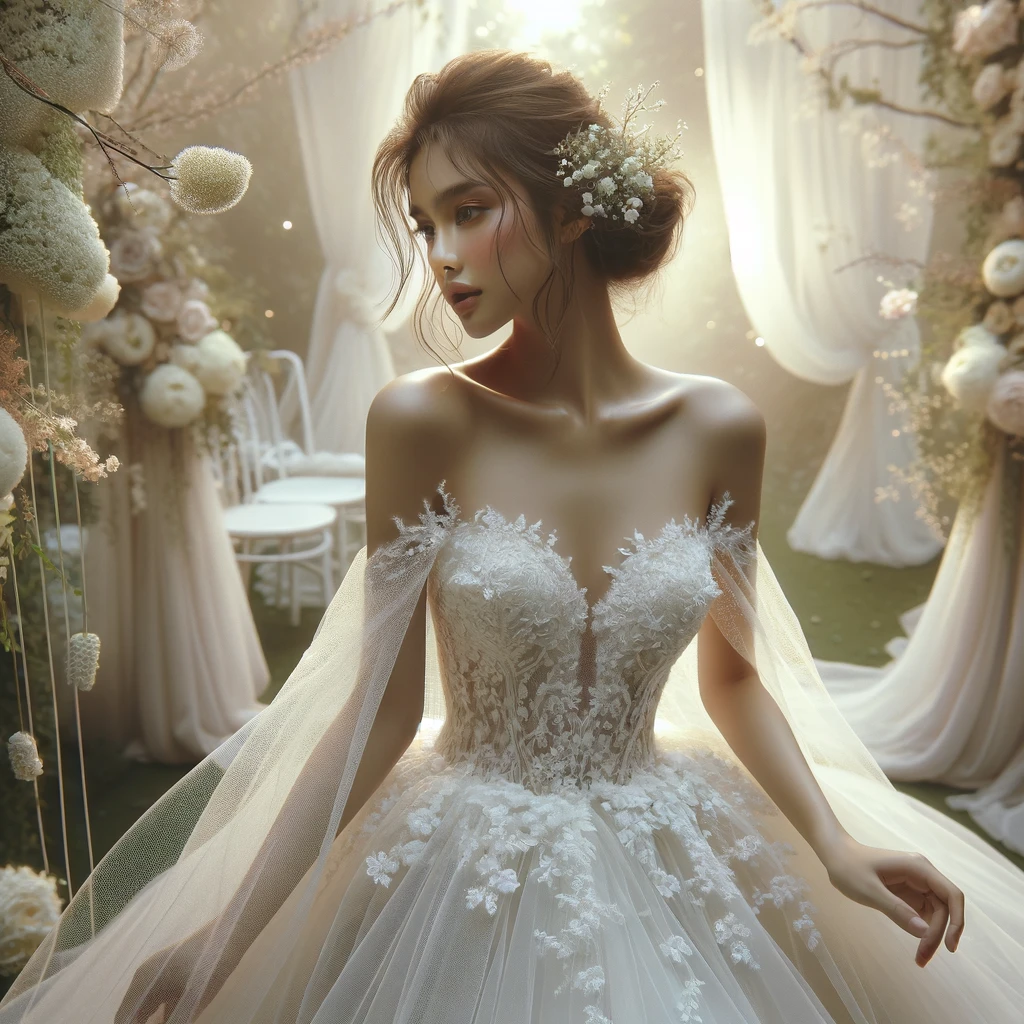
    Bridal fashion scene featuring a bride in a stunning Bobbinet wedding gown. The bride, a Thai woman, is captured in an enchanting outdoor setting

    Bobbinet and Bridal Fashion

    One of the most enduring uses of Bobbinet has been in bridal fashion. The fabric’s ethereal quality creates a dreamy silhouette that has become almost synonymous with wedding dresses. From the dramatic trains to delicate veils, Bobbinet adds a layer of romance and grace that is unmatched.

    Modern fashion runway scene showcasing contemporary Bobbinet fashion. The model, a young woman of Asian descent, is walking the runway

    Contemporary Fashion and Bobbinet

    In contemporary fashion, Bobbinet continues to be a favorite among designers for its adaptability and elegance. It is seen in everything from haute couture to ready-to-wear collections. Designers such as Vera Wang and Elie Saab have pushed the boundaries of tulle, using it in innovative ways to create modern yet timeless pieces.

    Technological Advancements

    The production techniques of Bobbinet have also evolved with advances in technology. Modern machines are capable of producing finer, more consistent meshes, allowing for greater complexity in design and a wider range of applications. Additionally, the integration of synthetic fibers has expanded the durability and texture variety of tulle.

    A glamorous scene depicting Bobbinet fashion in pop culture, featuring a female model on a red carpet. The model is wearing an elegant, floor-length

    Bobbinet in Pop Culture

    Beyond high fashion, Bobbinet has made significant inroads into pop culture. It has been a fixture on the red carpet and in costume design for films and theatre, contributing to some of the most iconic looks in entertainment. Its influence extends to music videos, ballet stages, and even performance art.

    Environmental and Ethical Considerations

    As the fashion industry faces scrutiny over its environmental impact, the production of Bobbinet is also under review. Efforts are being made to ensure that tulle production is sustainable, with a focus on reducing waste and using eco-friendly materials. These initiatives are part of a broader movement towards responsible fashion.

    The Future of Bobbinet

    Looking forward, Bobbinet is set to continue its legacy in the fashion industry. Innovations in fibre technology and sustainable practices are expected to further enhance its appeal and versatility. Moreover, as designers and consumers become more conscious of environmental impacts, the demand for ethically produced Bobbinet is likely to increase.

    Conclusion

    From its mechanical origins to its status as a fashion favourite, Bobbinet fabric has woven its way through the history of fashion, leaving an indelible mark. Its unique properties and versatility make it a material that transcends time, continually adapting to meet the evolving demands of fashion designers and consumers alike. As it moves forward, Bobbinet remains a testament to innovation and elegance in the textile industry.

  • The Benefits of Wearing Natural Fibres

    The Benefits of Wearing Natural Fibres

    A woman at the beach on a bright sunny day. The sun is high in the sky, casting vibrant, clear light. She is wearing a light linen skirt

    The Benefits of Wearing Natural Fibres: Linen and Rayon

    In the world of fashion, the materials from which our clothes are made play a significant role in both environmental impact and personal health. As consumers become more environmentally conscious, the demand for garments made from natural fibres such as linen and rayon is rising. This article delves into the reasons why choosing natural fibres, such as those offered by brands like Birdyberry.com, is a beneficial choice for both the planet and the individual wearer.

    A male model wearing a sophisticated linen suit, standing in a lush garden setting

    Understanding Natural Fibres

    Natural fibres are derived from plants, animals, or mineral sources and include materials like cotton, wool, linen, and rayon. Unlike synthetic fibres, which are made from petroleum and other chemicals, natural fibres decompose more easily, reducing their environmental impact.

    Linen: Linen is made from the fibres of the flax plant. It is one of the oldest known textiles and has been valued for its durability and comfort. Linen is particularly suited for wear in hot and humid climates because it is highly breathable and moisture-wicking.

    Rayon: Although rayon is made from naturally occurring cellulose, it undergoes a chemical process to be transformed into fibre. However, it still holds many of the benefits of natural fibres, such as breathability and softness, making it a popular choice in eco-conscious fashion.

    A flax field under a clear blue sky. The image should capture the golden hue of mature flax plants

    Environmental Benefits

    1. Sustainable Production: The cultivation of flax (for linen) and the sourcing of cellulose (for rayon) can be highly sustainable. Flax requires fewer pesticides and fertilizers compared to other crops like cotton. Sustainable forestry practices can be employed in sourcing cellulose for rayon, making it a more eco-friendly option.

    2. Biodegradability: Linen and rayon are biodegradable. They break down much quicker than synthetic fibres, which can take hundreds of years to decompose. This reduces long-term pollution and the burden on landfill sites.

    3. Energy and Water Usage: The production of natural fibres typically requires less energy compared to synthetics. The water usage for flax is significantly lower than that for cotton, making linen an environmentally preferable choice.

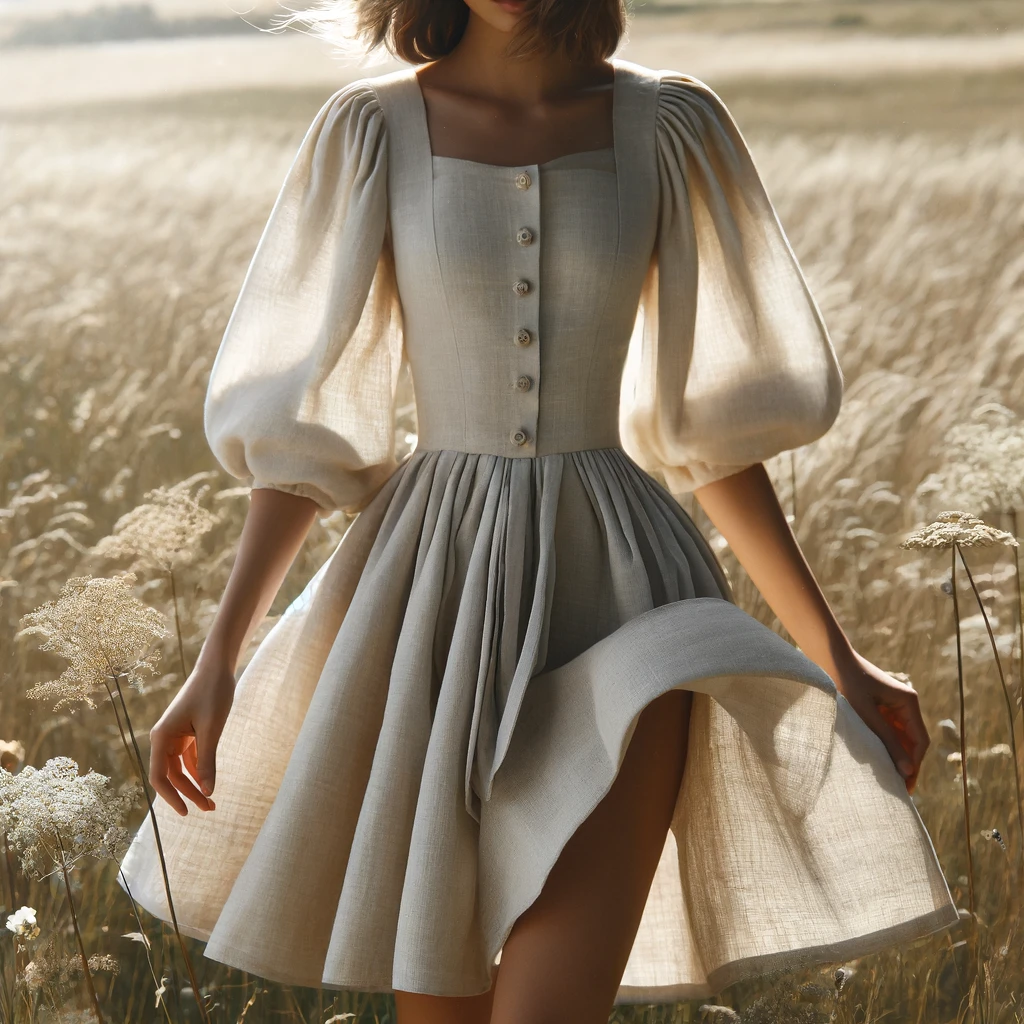
    A highly detailed and photorealistic image of a fashion model wearing a stylish linen dress in a natural outdoor setting


    Health Benefits

    1. Hypoallergenic Properties: Linen is naturally hypoallergenic, making it ideal for people with sensitive skin or allergies. It doesn’t trap dust or mites and has natural antibacterial properties.

    2. Moisture Management: Both linen and rayon excel in managing moisture. Linen, in particular, can absorb up to 20% of its weight in moisture before it feels wet, which helps in keeping the body cool and comfortable.

    3. Comfort and Durability: Clothes made from natural fibres are generally more comfortable due to their breathability. Linen, for example, becomes softer with every wash, and its durability means garments can last for decades if cared for properly.

    Case Studies: Birdyberry’s Linen and Rayon Clothing

    We offer a range of garments made from linen and rayon that exemplify the environmental and health benefits discussed. Their clothing lines prioritize sustainability from the production phase to the final product, ensuring minimal environmental impact and maximum wearer comfort.

    Conclusion

    Choosing garments made from natural fibres like linen and rayon offers significant environmental and health benefits. Companies like Birdyberry.com are leading the way in providing fashion choices that not only look good but are also good for the planet and the people who wear them. As the fashion industry evolves, it becomes increasingly important to support sustainable practices and choose products that contribute to a healthier lifestyle and a healthier planet.

  • What is Modal Fabric?

    What is Modal Fabric?

    A beautiful outdoor scene with a focus on eco-friendliness, featuring modal fabric clothing and textiles

    Modal fabric, a type of rayon, is a semi-synthetic fabric known for its durability, flexibility, and luxurious softness, making it highly popular in the fashion and textile industry. This article delves into the essence of modal fabric, exploring its production process, uses, environmental benefits, and growing popularity.

    Modal fabric is derived from beech tree pulp, and its production involves a series of steps that transform the natural cellulose into a soft and versatile fabric. Unlike traditional rayon, modal offers enhanced strength and durability, providing a more sustainable alternative for various textile applications.

    How is Modal Fabric Made?

    The production of modal fabric is a meticulous process that begins with the harvesting of beech trees. The cellulose from these trees is then processed through a series of chemical reactions, resulting in a spinning solution. This solution is extruded through tiny holes to form fibres, which are then spun into yarns and woven or knitted into modal fabric.

    1. Harvesting: Beech trees are harvested, and their pulp is extracted.
    2. Pulping: The wood pulp is processed to remove impurities, leaving pure cellulose.
    3. Chemical Processing: The cellulose is dissolved in a chemical solution to create a viscous substance.
    4. Spinning: The solution is forced through a spinneret, forming strands that are solidified into fibres.
    5. Weaving/Knitting: The fibers are then spun into yarn and woven or knitted into fabric.

    Various products made from modal fabric, showcasing a range of clothing and home textiles in a colourful and appealing display

    Uses of Modal Fabric

    Modal fabric’s unique properties, such as its softness, strength, and moisture-wicking capabilities, have made it a versatile material in various industries. Its applications range from fashion to home textiles, showcasing its adaptability and appeal.

    Apparel

    One of the most common uses of modal fabric is in the apparel industry. Its softness and smoothness on the skin make it an excellent choice for underwear, lingerie, and nightwear. Its ability to blend seamlessly with other fibres enhances its utility, allowing for a variety of textures and fabric strengths. Modal is also popular in sportswear due to its breathability and moisture-wicking properties, which help keep the wearer comfortable during physical activities.

    • Casual Wear: Modal’s drape and durability make it suitable for t-shirts, dresses, and pants. It maintains its shape and softness after multiple washes, making it a durable choice for everyday wear.
    • Active Wear: The fabric’s breathability and moisture management make it ideal for yoga pants, fitness shirts, and other sportswear that require flexibility and comfort.
    • Intimate Apparel: The softness and skin-friendly nature of modal are perfect for lingerie and underwear, providing comfort without irritation.

    Home Textiles

    In home textiles, modal’s luxurious feel and aesthetic appeal have made it a favoured choice for items where comfort and softness are paramount.

    • Bed Linens: Modal is used in bed sheets and pillowcases, offering a silky smooth touch, excellent moisture management, and breathability, enhancing sleep comfort.
    • Towels: Modal towels are known for their softness, high absorbency, and quick-drying properties, making them a luxurious yet practical choice for bathrooms.
    • Upholstery: The fabric’s durability and texture also lend themselves well to upholstery, providing a comfortable and attractive finish to furniture.

    Blend with Other Fibers

    Modal is often blended with other fibres, such as cotton, wool, and synthetic fibres, to enhance its qualities and create fabrics that leverage the best attributes of each material. These blends can improve durability, elasticity, and texture, making them suitable for a broader range of applications.

    • Cotton Blends: Combining modal with cotton enhances softness and breathability while maintaining cotton’s natural feel.
    • Wool Blends: Adding modal to wool can reduce itchiness and improve the wool’s drape and softness.
    • Synthetic Blends: Blending modal with synthetic fibres like polyester can enhance durability and colourfastness, ideal for active wear and fashion garments.

    Industrial Uses

    Beyond textiles, modal’s absorbent properties have been explored for use in non-woven fabrics, such as hygiene products and medical supplies, though these applications are less common compared to its dominant presence in the textile industry.

    The diverse uses of modal fabric are a testament to its versatility and appeal across different sectors. Its combination of comfort, sustainability, and performance makes it a popular choice in today’s market, meeting the needs of consumers who demand high-quality, eco-friendly materials.

    A pure and natural image of a beech forest, focusing solely on the tall beech trees with their lush green leaves

    Environmental Benefits of Modal Fabric

    Modal fabric, derived from the cellulose of beech trees, presents several environmental advantages, making it an increasingly popular choice in the sustainable textile industry. Its production process, resource efficiency, and biodegradability highlight modal’s role in promoting eco-friendly practices.

    Sustainable Forestry

    The beech trees used for modal production are typically sourced from managed forests, which adhere to strict environmental standards ensuring sustainable growth and harvesting. These forests help maintain biodiversity, soil health, and carbon sequestration, contributing positively to the ecosystem. The trees are also known for their rapid growth and do not require extensive water or pesticides, minimizing the environmental impact associated with their cultivation.

    Efficient Production Process

    Modal fabric is produced using a closed-loop process that significantly reduces waste and recycles solvent and water. This method contrasts sharply with the production processes of many other fibres, which can be resource-intensive and polluting. The efficiency of the modal production process results in lower emissions and less energy and water usage, enhancing its environmental appeal.

    Reduced Chemical Use

    Compared to traditional rayon or other synthetic fibres, modal’s manufacturing process uses fewer harmful chemicals, minimizing its environmental footprint. The solvents used are typically recovered and reused, reducing the risk of pollution and conserving resources.

    Biodegradability

    One of the most significant environmental benefits of modal fabric is its biodegradability. As a cellulosic fibre, modal is inherently biodegradable under industrial, home, soil, and marine conditions, which means that it can break down naturally without leaving harmful residues in the environment. This attribute significantly reduces the long-term waste impact compared to synthetic fibres, which can take hundreds of years to decompose and contribute to landfill issues.

    Energy and Water Conservation

    The production of modal fabric is generally more energy and water-efficient than that of many other fibres, including cotton. The efficient use of energy and water resources in modal production aligns with broader efforts to reduce the environmental impact of the textile industry.

    Contribution to a Circular Economy

    Modal’s attributes support the principles of a circular economy, which aims to eliminate waste and continually reuse resources. By choosing modal, manufacturers and consumers can contribute to a more sustainable fashion cycle, where textiles have a longer life and a reduced environmental impact.

    Modal fabric stands out in the textile industry for its environmental benefits, from its sustainable sourcing and production to its end-of-life biodegradability. These attributes make modal an appealing choice for eco-conscious consumers and companies looking to minimize their environmental footprint while not compromising on quality and performance.


    Spread and Popularity of Modal Fabric

    The journey of modal fabric from a niche material to a staple in the textile industry illustrates its growing popularity and widespread adoption across the globe. Initially developed in Japan in the 1950s, modal has gradually become a favoured choice in various sectors, particularly in fashion and home textiles. Its rise in popularity is attributed to its exceptional properties, such as softness, durability, and eco-friendliness, which align with the increasing consumer demand for sustainable and comfortable materials.

    Adoption in Fashion Hubs

    Fashion capitals like New York, Paris, Milan, and Tokyo have embraced modal fabric, integrating it into high-end fashion, activewear, and everyday clothing. Designers value modal for its versatility, drape, and colour retention, making it an ideal choice for a wide range of garments. The fabric’s luxurious feel and eco-conscious appeal resonate with consumers who prioritize both style and sustainability.

    Global Manufacturing and Trade

    The production of modal fabric has expanded beyond Japan, with significant contributions from countries like Austria, India, and China. These nations have invested in modal production due to its market potential, technological advancements in manufacturing, and the global shift towards sustainable textiles. As a result, modal fabric is now widely available on international markets, catering to a diverse range of industries and consumers.

    Consumer Awareness and Demand

    The rise of social media and eco-conscious consumerism has played a pivotal role in the spread of modal fabric. Consumers are increasingly informed about the materials used in their products and are seeking out sustainable options. Modal’s biodegradable nature and reduced environmental impact compared to traditional fabrics have made it a popular choice among environmentally aware shoppers.

    Expansion into Home Textiles

    The use of modal fabric has extended beyond apparel, making significant inroads into the home textiles market. Products like bed linens, towels, and upholstery made from modal are celebrated for their softness, breathability, and moisture management properties. This expansion has contributed to modal’s popularity, as consumers seek the same comfort and eco-friendliness in their home textiles as they do in their clothing.

    Future Prospects

    The future of modal fabric looks promising, with ongoing innovations in production processes and applications. The textile industry’s focus on sustainability and advancements in fibres technology are likely to further boost modal’s popularity. As consumer preferences evolve and the demand for eco-friendly materials grows, modal fabric is poised to play a significant role in shaping the future of textiles.

    In summary, the spread and popularity of modal fabric are a testament to its appeal across different sectors and geographies. Its journey from a post-war Japanese innovation to a globally recognized sustainable textile highlights its adaptability and the growing consumer desire for materials that are kind to the planet without compromising on quality or comfort.

    Modal Care Instructions

    While modal fabric offers numerous benefits, it’s essential to consider its care requirements to maintain its durability and texture. Generally, modal is machine washable and resistant to shrinkage, but following specific care instructions can extend its lifespan and maintain its quality.

    1. Reading Care Labels: Always start by checking the care label on your modal fabric item. Manufacturers often provide specific instructions tailored to the product.
    2. Washing Temperature: Modal fabric can generally be washed in warm water, but for the best results and to prevent shrinking, cold water is often recommended. Avoid hot water as it can cause the fabric to shrink or lose its shape.
    3. Washing Machine Settings: Use a gentle cycle on your washing machine. Modal is a durable fabric, but it benefits from gentle treatment to maintain its softness and prevent stretching or pilling.
    4. Detergent Choice: Use a mild detergent. Harsh chemicals can break down the fibres of the fabric over time, affecting its strength and softness.
    5. Bleaching: Avoid using bleach on modal fabric. Bleach can weaken the fibres and cause discoloration. If you need to treat stains, opt for a non-chlorine bleach or a gentle stain remover.
    6. Drying: Air drying is the best option for modal fabric to preserve its shape and softness. If you use a dryer, choose a low heat setting and remove the item while it’s still slightly damp to avoid over-drying. High temperatures can cause shrinkage and affect the fabric’s texture.
    7. Ironing: If you need to iron modal fabric, do so on a low heat setting without steam. High heat can scorch or burn the fibres. Use a pressing cloth between the fabric and the iron to add an extra layer of protection.
    8. Dry Cleaning: Generally, modal fabric does not require dry cleaning. However, if the care label suggests dry cleaning, or if you’re dealing with a garment that combines modal with other delicate fabrics, follow the recommended care instructions.

    By adhering to these care instructions, you can help ensure that your modal fabric items remain in excellent condition, retaining their softness, colour, and shape for an extended period.

    Modal vs. Cotton: A Detailed Comparison

    When comparing modal and cotton, two popular fibres in the textile industry, it’s essential to consider various factors, including their environmental impact, comfort, durability, and care requirements. Each has unique attributes that make them suitable for different applications and consumer preferences.

    Origin and Production

    • Modal: A semi-synthetic fibre, modal is made from the cellulose of beech trees. Its production involves a chemical process to extract the cellulose, which is then spun into fibres. The process is generally more eco-friendly compared to traditional rayon, thanks to the closed-loop system that recycles water and chemicals.
    • Cotton: A natural fibre harvested from cotton plants, cotton’s production is water-intensive and often requires significant pesticide use, although organic cotton offers a more sustainable alternative with fewer environmental impacts.

    Comfort and Texture

    • Modal: Known for its extraordinary softness, modal provides a silky, smooth feel against the skin, often described as feeling like a second skin. It excels in moisture management, making it breathable and comfortable, especially in warm conditions.
    • Cotton: Cotton is also praised for its comfort and breathability. It’s soft, but not as silky as modal, and is highly absorbent, which can be both a benefit (in towels, for example) and a drawback (in sportswear, where it can lead to heaviness when sweaty).

    Durability and Maintenance

    • Modal: Modal is resistant to shrinking and fading, maintaining its shape and colour after multiple washes. It’s also less prone to pilling compared to cotton, especially in higher quality blends.
    • Cotton: While generally durable, cotton can shrink if not pre-treated or washed properly. It’s also more likely to fade and wear out over time, especially in lower-quality fabrics.

    Environmental Impact

    • Modal: The production of modal is considered more environmentally friendly than many other fibres due to its efficient use of resources and closed-loop process, which minimizes chemical waste. However, the chemical process required to turn wood pulp into fibres is a point of environmental concern.
    • Cotton: Traditional cotton farming is resource-intensive, particularly in terms of water and pesticide use. Organic cotton reduces these environmental impacts, but it still requires a significant amount of water.

    Applications

    • Modal: Often used in garments that require a soft, smooth texture, like lingerie, activewear, and luxury bed linens. Its ability to blend with other fibres enhances its versatility.
    • Cotton: A staple in the textile industry, cotton’s applications are vast, ranging from clothing to home textiles, medical supplies, and more. Its natural origins and comfort make it a perennial favourite.

    Cost

    • Modal: Typically more expensive than conventional cotton, reflecting its production process and the luxurious feel of the fabric.
    • Cotton: The price of cotton varies widely depending on quality, with organic cotton generally costing more than conventional due to its more sustainable farming practices.

    The choice between modal and cotton depends on the specific requirements of the application, personal preferences, and environmental considerations. Modal offers a more sustainable choice with a luxurious feel, ideal for certain clothing and home textiles, while cotton remains a versatile, classic fibre suitable for a broad range of uses.


    Various products made from modal fabric, showcasing a range of items such as underwear, pajamas, sportswear, bed sheets, and towels

    Conclusion

    Modal fabric represents a convergence of comfort, durability, and environmental responsibility, making it a favoured choice in the textile industry. Its production process, emphasizing sustainability, and its broad range of applications highlight its versatility and appeal. As the fashion and textile sectors continue to evolve, modal fabric’s role is likely to expand, further solidifying its position as a key material in sustainable manufacturing.

    By understanding the characteristics, production, and benefits of modal fabric, consumers and industry professionals can make informed decisions, contributing to a more sustainable and eco-conscious textile landscape.


  • The Bamboo Rayon Complete Guide

    The Bamboo Rayon Complete Guide

    An image showing the harvesting of bamboo, depicting workers manually cutting bamboo stalks in a dense bamboo forest, highlighting the sustainable and

    Introduction

    Bamboo rayon, also known as bamboo viscose, is a testament to the innovative strides made in the textile industry towards sustainability and environmental responsibility. This fabric marries the inherent strengths and rapid renewability of bamboo with the luxurious softness of rayon, offering an enticing sustainable alternative to conventional textiles. This exploration delves deep into bamboo rayon’s essence, its creation process, the multitude of benefits it provides, and the diverse applications it serves. Accompanied by illustrative images, this article is designed to furnish a comprehensive understanding of bamboo rayon’s pivotal role in advancing eco-conscious practices within the textile sector.

    What is Bamboo Rayon?

    Bamboo rayon is a semi-synthetic fiber, ingeniously crafted from the cellulose extracted from bamboo plants. It is celebrated for its exceptional softness, durability, and eco-friendly credentials, quickly becoming a favored choice across various industries, particularly in textiles. This section will elucidate the fundamental properties of bamboo rayon, drawing comparisons with traditional materials to underscore its importance in the realm of sustainable textile production. We’ll explore its unique characteristics, how it stands out from other fibers, and why it’s considered a game-changer in the world of fabrics.

    Close-up image of bamboo rayon fabric, emphasizing its texture to highlight its softness and quality, with a focus on the weave and fibers, illustrati

    How is Bamboo Rayon Made?

    The journey of converting bamboo into a plush, wearable fabric is nothing short of remarkable. It involves a series of intricate steps, from the sustainable harvesting of bamboo to the advanced processes that convert its cellulose into luxurious rayon fibers. This segment will offer a detailed walkthrough of the bamboo rayon production process, highlighting the eco-conscious methodologies that set it apart from conventional fabric production. We’ll delve into each stage, from the extraction of cellulose to the final spinning of the fibers, providing a clear picture of the meticulous care and technology involved in creating this sustainable fabric.

    Production Process of Making Bamboo Rayon

    The production of bamboo rayon is a complex process that transforms the raw bamboo plant into a soft, versatile fabric. This transformation involves several key stages: plant processing, chemical processing, and fabric making. Additionally, understanding where bamboo rayon is predominantly manufactured provides insight into the global textile landscape.

    Microscopic view of bamboo rayon fibers, highlighting the unique texture and structure of the fibers at a microscopic level, showcasing their smoothne

    Plant Processing

    1. Harvesting:

      The process begins with the harvesting of bamboo, which is typically done by hand to ensure the quality of the raw material and to minimize environmental impact. Bamboo is a highly renewable resource, growing rapidly and reaching maturity in just 3 to 5 years.

    2. Crushing and Breaking Down:

      Once harvested, the bamboo stalks are crushed and broken down into smaller pieces. This mechanical process helps to separate the fibrous material from the plant’s other components, preparing it for the next stage of processing.

    3. Cellulose Extraction:

      The core of the bamboo rayon production process is extracting cellulose from the bamboo plant. The crushed bamboo is treated with natural enzymes, breaking it down further and allowing for the cellulose to be separated from the natural sugars and other compounds in the bamboo.

    Chemical Processing

    1. Chemical Treatment:

      The extracted cellulose is then subjected to chemical processes to convert it into a usable fiber. This typically involves treating the cellulose with carbon disulfide and sodium hydroxide, which transforms it into a viscous solution known as viscose.

    2. Spinning:

      The viscose solution is then forced through a spinneret, a device with numerous tiny holes, to form filaments. As these filaments come into contact with sulfuric acid, they solidify into fibers, a process known as wet spinning. This is a crucial step where the bamboo cellulose transitions into a form that can be spun and woven like other textile fibers.

    3. Washing and Cutting:

      After spinning, the bamboo rayon fibers are washed to remove any remaining chemicals. The fibers are then cut into lengths suitable for spinning into yarn.

    Fabric Making

    1. Spinning into Yarn:

      The cleaned and cut bamboo fibers are spun into yarns, using techniques similar to those used in spinning other textile fibers. These yarns can then be woven or knitted to create various types of bamboo rayon fabric.

    2. Weaving or Knitting:

      Depending on the desired end product, the bamboo rayon yarn is either woven or knitted into fabric. The weaving process involves interlacing the yarns, while knitting involves looping the yarns together.

    3. Finishing:

      The final stage in fabric making is finishing, where the fabric is treated to improve its texture, appearance, and performance. This may include processes like dyeing, softening, and applying various finishes that enhance the fabric’s properties.

    Locations of Production

    Bamboo rayon is predominantly produced in countries with abundant bamboo resources and well-established textile industries. China is the leading producer of bamboo rayon, leveraging its vast bamboo forests and advanced manufacturing capabilities. Other countries in Asia, such as India and Indonesia, also contribute significantly to the global bamboo rayon production. These regions have the expertise, infrastructure, and raw materials necessary to support the complex manufacturing process of bamboo rayon.

    The production of bamboo rayon is an intricate process that combines traditional textile manufacturing techniques with advanced chemical processes. The journey from bamboo plant to soft, durable fabric reflects a blend of nature and technology, producing a material that is both eco-friendly and versatile. Understanding this process highlights the innovation and commitment to sustainability inherent in the production of bamboo rayon, offering a glimpse into the future of eco-conscious textile manufacturing.

    Advantages of Bamboo Rayon

    The allure of bamboo rayon lies in its plethora of benefits, making it a compelling option for a wide audience range. Known for its unparalleled softness, the fabric offers a touch akin to silk, providing a luxurious feel against the skin. Its moisture-wicking properties are exemplary, keeping wearers dry and comfortable in various climates. Furthermore, bamboo rayon boasts natural antibacterial qualities, making it a hygienic choice for sensitive skin. But perhaps its most lauded attribute is its sustainability, as bamboo is a fast-growing, low-impact resource. This section will expand on these benefits, illustrating why bamboo rayon is not merely a textile choice but a lifestyle one, reflecting a commitment to comfort, health, and environmental stewardship.

    Yellow rayon shorts

    Bamboo Rayon in Sustainable Fashion

    The fashion industry, a significant contributor to global waste and pollution, is increasingly turning to bamboo rayon in its quest for sustainability. This segment will explore how this eco-friendly fabric is revolutionizing the industry, offering a sustainable alternative for designers and consumers alike. We’ll examine bamboo rayon’s role in creating eco-chic clothing, its impact on reducing the fashion industry’s carbon footprint, and how it aligns with the growing trend towards ethical fashion practices.

    Applications Beyond Fashion

    Bamboo rayon’s versatility extends far beyond the fashion runway. Its applications span a wide array of products, including soft, hypoallergenic bedding, absorbent towels, and even medical supplies. This part of the article will showcase the fabric’s adaptability, highlighting how its unique properties make it an ideal choice for a multitude of uses, from home décor to healthcare, demonstrating bamboo rayon’s far-reaching impact across different sectors.

    Maintenance and Care

    Maintaining bamboo rayon’s integrity and extending its lifespan requires proper care. This section will provide detailed guidance on how to care for bamboo rayon products, ensuring they retain their quality and luxurious feel over time. From washing tips to drying techniques, we’ll cover all the essential care instructions to help users preserve the beauty and functionality of their bamboo rayon items.

    What is the difference between bamboo and bamboo rayon?

    The terms “bamboo fabric” and “bamboo rayon” are often used interchangeably, but they can denote different things depending on the context and the specific manufacturing process used to create the fabric.

    1. Bamboo Fabric: This is a broad term that can refer to any fabric made from the bamboo plant. There are essentially two types of bamboo fabric, depending on how the bamboo is processed:
      • Mechanically Processed Bamboo: This is the less common method where the bamboo plant’s cellulose is mechanically crushed and broken down to create a natural fiber. This process is similar to how linen is made from flax or hemp. The resulting fabric retains more of the natural properties of bamboo, such as its antibacterial qualities. However, mechanically processed bamboo fabric is not as soft as bamboo rayon and is less common in the market due to its higher production costs and lower yield.
      • Bamboo Rayon (or Viscose): Most bamboo fabrics on the market are bamboo rayon. This is a semi-synthetic fabric made by chemically processing the cellulose extracted from bamboo. The process involves using chemicals to dissolve bamboo pulp, creating a viscose solution that is then spun into fibers and woven into fabric. Bamboo rayon is soft, has a silky feel, and is highly absorbent.
    2. Bamboo Rayon: Specifically, this term refers to the type of bamboo fabric made through the chemical process described above. It’s known for its softness and smooth texture, making it a popular choice in the textile industry, especially for clothing, bedding, and towels.

    The key difference lies in the production process and the resultant fabric’s properties. While mechanically processed bamboo fabric is more natural and retains more of the bamboo plant’s inherent properties, bamboo rayon, through its chemical transformation, offers a different set of advantages, including superior softness and drape. When you encounter “bamboo fabric” in product descriptions, it’s essential to investigate further to understand whether it’s mechanically processed bamboo or bamboo rayon, as their characteristics and environmental impacts differ significantly.

    Conceptual design of futuristic bamboo rayon textiles, illustrating innovative uses and applications of bamboo rayon in future fashion and textile ind

    The Future of Bamboo Rayon

    As we look to the future, the potential for bamboo rayon in the textile industry and beyond is vast and inspiring. This concluding section will discuss the exciting prospects and ongoing innovations in bamboo rayon production and application. We’ll delve into how ongoing research and technological advancements could further enhance its sustainability, performance, and versatility, painting a picture of what the future holds for this remarkable material.

    Products made from bamboo rayon, including clothing, bedding, and towels, showcasing the versatility of bamboo rayon in different application

    Conclusion

    Bamboo rayon stands as a beacon of innovation, sustainability, and practicality, offering a promising path toward a more eco-friendly and responsible textile industry. Through this in-depth exploration, it’s evident that bamboo rayon is not just a fabric but a symbol of the possibilities that emerge when environmental consciousness meets cutting-edge textile engineering. As we move forward, bamboo rayon is set to play a crucial role in shaping a greener, more sustainable future in textiles and beyond.


  • Every Fabric Description

    Every Fabric Description

    A detailed list of all fabrics we know of.

    Introduction

    Here we have compiled as detailed a list and descriptions of all the fabrics we can find.

    Its a work in progress as there are many 🙂 but we are adding several every day.

  • Rayon VS Cotton?

    Rayon VS Cotton?

    Unravelling the Debate on Which Fabric is Better Rayon VS Cotton


    Introduction to the Pros and Cons of Rayon and Cotton?

    In the vast realm of textiles, the choice between rayon and cotton often sparks a debate among consumers, designers, and textile enthusiasts. Both fabrics have their unique qualities, and determining which is better involves a nuanced exploration of factors such as comfort, versatility, durability, and environmental impact. In this comprehensive analysis, we will delve into the characteristics of rayon and cotton, aiming to answer the question: Is rayon better than cotton?

    Understanding Rayon:

    Rayon, often hailed as “artificial silk,” is a semi-synthetic fibre derived from cellulose, typically sourced from wood pulp or bamboo. Its manufacturing process involves dissolving the cellulose, extruding fibres, and spinning them into a fabric that blends the best features of natural and synthetic textiles.

    Characteristics of Rayon:

    1. Softness and Comfort: Rayon is renowned for its soft and smooth texture, offering a luxurious feel against the skin. Its drape resembles that of silk, making it a popular choice for garments that require flow and movement. The fabric’s comfort factor is enhanced by its breathability, contributing to its wearability in various climates.
    2. Versatility: Rayon’s adaptability is a key strength. It can mimic the appearance and texture of other fabrics, including cotton, linen, and silk. This versatility makes rayon a go-to choice for a wide range of products, from casual wear to formal attire, allowing designers to achieve diverse aesthetics.
    3. Absorbency: Rayon exhibits higher absorbency compared to many other fabrics, making it suitable for warm-weather clothing. It can wick moisture away from the body, contributing to comfort in humid conditions. However, it’s essential to note that rayon may lose strength when wet, necessitating delicate care during laundering.
    4. Breathability: The breathability of rayon makes it an excellent option for summer clothing. It allows air circulation, preventing the fabric from clinging to the body. This quality, combined with its lightweight nature, positions rayon as a favoured choice for hot and tropical climates.

    Advantages of Rayon:

    1. Affordability: Rayon stands out for its affordability, offering a cost-effective alternative to natural silk or high-end synthetic fabrics. This accessibility makes it a favourite among consumers seeking budget-friendly yet stylish clothing options.
    2. Aesthetic Appeal: Boasting a natural sheen, rayon has a luxurious appearance that enhances the visual appeal of garments. Its ability to absorb dyes results in a broad spectrum of vibrant colours, allowing for versatile and eye-catching designs.
    3. Environmental Considerations: While not entirely natural, rayon’s production involves renewable resources like wood pulp or bamboo. Compared to fully synthetic fabrics, rayon generally has a lower environmental impact, aligning with the preferences of environmentally conscious consumers.
    4. Drivability in Blends: Rayon’s compatibility with various fibres enables the creation of blended fabrics. Blends incorporating rayon, such as those with cotton, polyester, or spandex, offer enhanced performance, combining durability, stretch, and comfort.

    Potential Drawbacks of Rayon:

    1. Durability: A common critique of rayon is its lower durability compared to some natural and synthetic counterparts. The fabric may not withstand heavy wear and tear as well as cotton or polyester, and it can be more susceptible to damage.  So in this area in the rayon or cotton debate, cotton comes out ahead.
    2. Shrinkage: Rayon has a propensity to shrink when exposed to moisture and heat. Proper care during washing and drying is crucial to maintain the fabric’s size and shape. Some rayon garments may require delicate handling, including dry cleaning or handwashing.  Here is our article on how to wash rayon.
    3. Wrinkling: While rayon drapes beautifully, it is prone to wrinkles. This characteristic may require more attention to garment care and ironing, which could be a consideration for individuals seeking low-maintenance fabrics.

    Birdyberry fashion blue white top

    Understanding Cotton:

    Cotton, a natural fibre derived from the cotton plant’s seed fibres, is a textile powerhouse with a rich history. Known for its breathability, absorbency, and durability, cotton has been a staple in the textile industry for centuries.

    Characteristics of Cotton:

    1. Softness and Comfort: Cotton is celebrated for its softness, providing a comfortable and gentle feel against the skin. Its natural fibres contribute to a smooth texture, making it a favoured choice for various types of clothing.
    2. Breathability: Cotton’s breathability is a standout feature. The fabric allows air to circulate, making it an ideal choice for warm weather. Its ability to wick away moisture from the body enhances comfort, especially in hot and humid conditions.
    3. Versatility: Cotton is a versatile fabric available in various weaves, weights, and finishes. It is suitable for a broad range of products, including casual wear, sportswear, undergarments, and home textiles.
    4. Durability: Cotton is known for its durability and resilience. It can withstand regular washing and wearing, making it a long-lasting choice for everyday clothing items.

    Advantages of Cotton:

    1. Durability: One of cotton’s primary advantages is its durability. Cotton fabrics can endure frequent use and washing without significant wear and tear, resulting in long-lasting garments.
    2. Breathability and Comfort: Cotton’s breathability enhances comfort, especially in warm weather. The fabric’s ability to absorb and release moisture makes it a preferred choice for a wide range of climates.
    3. Easy Care: Cotton is relatively easy to care for and can withstand regular machine washing. It becomes softer with each wash, and while it may wrinkle, the wrinkles are usually less prominent compared to some other fabrics.
    4. Natural Fiber: As a natural fibre, cotton is biodegradable and considered more environmentally friendly than some synthetic alternatives. Organic cotton, produced without synthetic pesticides or fertilizers, offers a more sustainable option.

    Potential Drawbacks of Cotton:

    1. Shrinkage: Cotton can also experience shrinkage, especially if not pre-shrunk before garment construction. Proper care, including following care instructions and avoiding high heat during drying, is essential to mitigate this issue.
    2. Environmental Impact (Conventional Cotton): While cotton is a natural fibre, conventional cotton farming often involves the use of pesticides and requires significant water resources. This can contribute to environmental concerns, prompting a growing interest in sustainable and organic cotton alternatives.
    3. Wrinkling: While cotton wrinkles less than rayon, it is not entirely wrinkle-resistant. Some individuals may find that cotton garments require ironing to maintain a polished appearance.

    Conclusion:

    In the eternal debate of rayon or cotton, the answer to which fabric is better lies in the eye of the beholder, or rather, the wearer. Both rayon and cotton offer unique advantages and drawbacks, and the choice between them hinges on individual preferences, intended use, and specific requirements.

    Rayon charms with its softness, versatility, and affordability, making it a popular choice for those seeking a silk-like feel without the hefty price tag. However, its lower durability and susceptibility to wrinkles may be considerations for individuals prioritizing garment resilience.

    Cotton, on the other hand, boasts durability, breathability, and ease of care. Its natural fibre composition appeals to those with environmental concerns, especially when opting for organic cotton. Nevertheless, potential drawbacks include shrinkage and the environmental impact of conventional cotton farming.

    Ultimately, the decision between rayon and cotton is a personal one, guided by factors such as comfort, climate, aesthetics, and environmental considerations. As consumers become increasingly mindful of their choices, both rayon and cotton continue to hold their ground as versatile and enduring contenders in the world of textiles.


    How to Wash Rayon


    Fabrics for Summer Shorts

  • Is rayon a good quality fabric?

    Is rayon a good quality fabric?

    Unraveling the Quality of a Versatile Fabric

    Introduction:

    Rayon, a fabric known for its versatility and affordability, has been a staple in the textile industry for decades. Often praised for its silk-like appearance and comfortable feel, rayon has found its way into various garments, home textiles, and accessories. However, the question lingers: Is rayon a good quality fabric? To answer this inquiry, we must delve into the intricacies of rayon, exploring its production process, characteristics, advantages, and potential drawbacks.

    Understanding Rayon:

    Rayon is a semi-synthetic fiber made from cellulose, typically derived from wood pulp or bamboo. Often referred to as “artificial silk” due to its resemblance to natural silk, rayon undergoes a complex manufacturing process. The cellulose is dissolved, extruded, and then spun into fibers, resulting in a fabric that combines the best of both natural and synthetic worlds.

    Characteristics of Rayon:

    1. Softness and Comfort: Rayon is celebrated for its soft and smooth texture, offering a luxurious feel against the skin. The fabric drapes well, making it an excellent choice for flowing garments like dresses and blouses. Its breathability contributes to comfort, making it suitable for various climates.
    2. Versatility: Rayon is highly versatile, adapting well to various finishes, weaves, and blends. This adaptability allows it to mimic the appearance and texture of other fabrics, such as cotton, linen, or silk. This versatility has made rayon a popular choice for a wide range of products, from casual wear to formal attire.
    3. Absorbency: Rayon is more absorbent than many other fabrics, making it suitable for warm-weather clothing. It can wick moisture away from the body, promoting comfort in humid conditions. However, this characteristic also means that rayon may lose strength when wet, requiring delicate handling during laundering.
    4. Breathability: The breathability of rayon makes it an excellent option for summer clothing. It allows air circulation, preventing the fabric from clinging to the body. This quality makes rayon a preferred choice for light and airy garments in hot and tropical climates.

    Advantages of Rayon:

    1. Affordability: One of the primary advantages of rayon is its affordability. Compared to natural silk or high-end synthetic fabrics, rayon provides a cost-effective alternative without compromising on aesthetic appeal. This makes it accessible to a wide range of consumers.
    2. Aesthetic Appeal: Rayon boasts a luxurious appearance, often resembling silk. It has a natural sheen that enhances the visual appeal of garments. Additionally, its ability to take on various dyes allows for a broad spectrum of vibrant and rich colors.
    3. Environmental Considerations: While rayon is not entirely natural, its production involves renewable resources such as wood pulp or bamboo. Compared to fully synthetic fabrics, rayon has a lower environmental impact, making it a more sustainable choice for conscious consumers.
    4. Drivability in Blends: Rayon can be blended with other fibers like cotton, polyester, or spandex to enhance its performance. These blends combine the desirable characteristics of different fibers, resulting in fabrics that are durable, stretchy, and comfortable.

    Potential Drawbacks of Rayon:

    1. Durability: One of the criticisms often leveled against rayon is its lower durability compared to some natural and synthetic counterparts. The fabric may not withstand heavy wear and tear as well as cotton or polyester, and it can be prone to wrinkles.
    2. Shrinkage: Rayon has a tendency to shrink when exposed to moisture and heat. As a result, proper care during washing and drying is crucial to maintaining the fabric’s size and shape. Dry cleaning or handwashing may be recommended for certain rayon garments.
    3. Wrinkling: While rayon drapes beautifully, it is susceptible to wrinkles. This can be a consideration for those who prefer low-maintenance fabrics. However, the trade-off is often seen as acceptable given rayon’s other favorable qualities.

    Birdyberry fashion Gold top crop

    Conclusion:

    In conclusion, is rayon a good quality fabric or not depends on the intended use and personal preferences of the consumer. Rayon’s softness, comfort, and versatility make it a popular choice for a wide array of clothing and home textiles. Its affordability and aesthetic appeal further contribute to its widespread use in the fashion industry.

    However, potential drawbacks such as lower durability, shrinkage, and wrinkling should be taken into consideration when choosing rayon products. Understanding the characteristics of rayon and following proper care instructions can help maximize the lifespan and maintain the quality of rayon garments.

    Ultimately, rayon’s unique blend of qualities, bridging the gap between natural and synthetic fibers, positions it as a valuable option in the diverse landscape of fabrics. As with any textile, making an informed decision based on individual needs and preferences is key to appreciating the qualities that rayon brings to the world of fashion and beyond.


    How to Wash Rayon


    Fabrics for Summer Shorts